
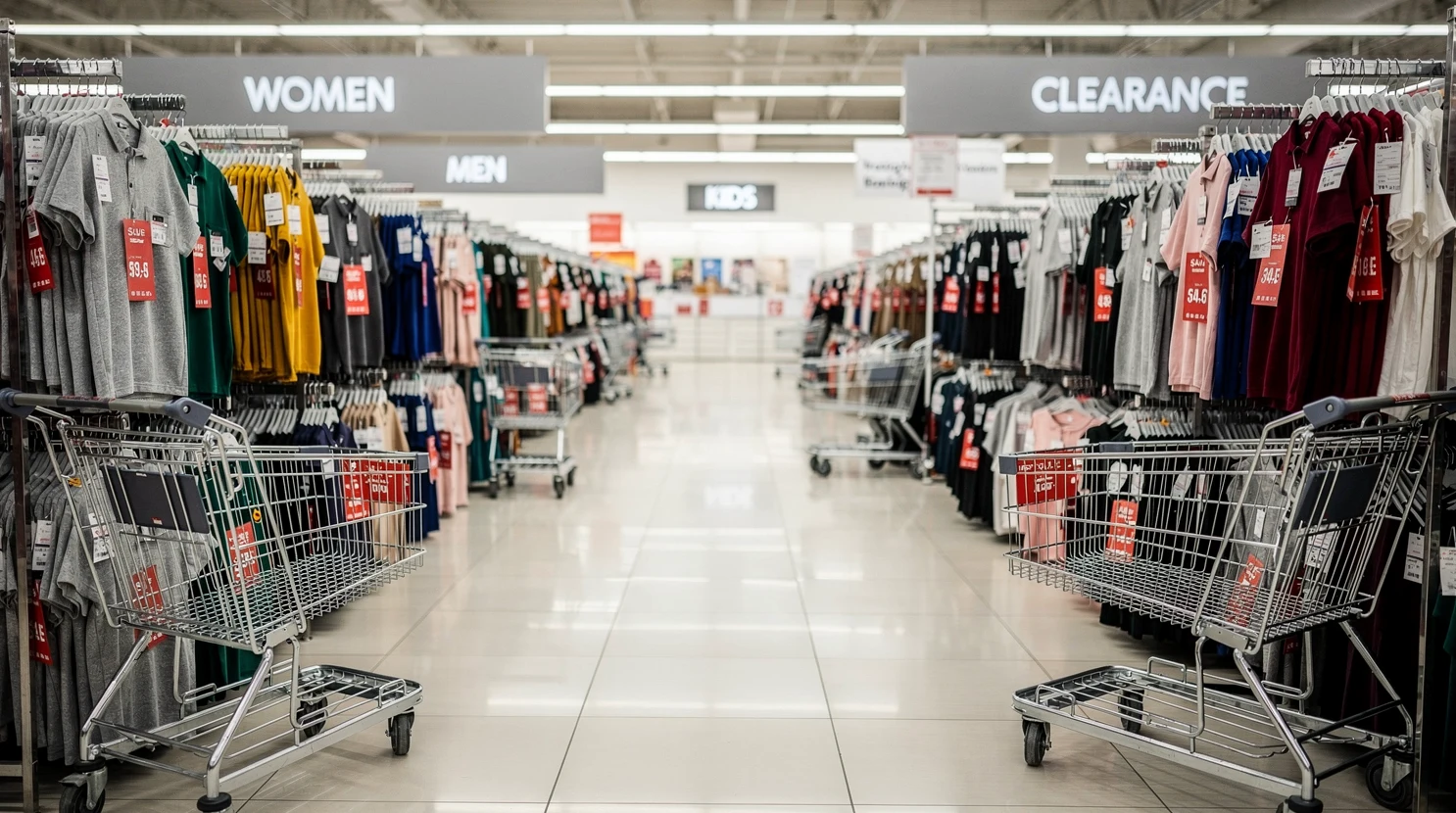
The United States off-price retail sector delivered one of its strongest spring quarters in years, with Ross Stores and Burlington Stores both reporting comparable sales growth that sailed past Wall Street expectations. Yet behind the celebratory headlines, the executives running these chains were unusually candid about an inconvenient fact: a meaningful slice of the spending boom was borrowed against the future or front-loaded by a one-time bump in tax refunds. CNBC reported on June 1, 2026 that the quarter’s blowout numbers were “fueled by tax refunds and BNPL,” a framing that company filings and earnings calls largely corroborate.
The result is a tension at the center of the 2026 consumer story. On paper, the discount and value end of American retail looks robust, with double-digit sales gains and raised full-year guidance. Underneath, the same management teams are flagging temporary tailwinds and softening discretionary demand among lower-income shoppers. For marketplaces, brands and payments companies, untangling the signal from the noise matters more than the surface beat.
In short
- Ross Stores posted a record 17% comparable store sales gain and total sales of $6.0 billion, up 21% year over year, with earnings per share of $2.02.
- Burlington Stores reported a 6% comparable sales increase, well above its 2% to 4% guidance, lifting total sales 14% to $2.85 billion.
- Management at both chains conceded that higher tax refunds flattered the quarter, with Burlington estimating the effect at 1.5 to 2 percentage points of its comp.
- An estimated 15% to 17% of shoppers earning up to $150,000 used buy now, pay later during the quarter, adding a layer of financed demand.
- Both retailers raised full-year guidance, but framed the back half of 2026 cautiously as the temporary supports fade.
What the off-price sector just reported
The off-price model sells branded and designer merchandise at steep discounts, sourcing opportunistically from manufacturer overruns, canceled orders and excess inventory. It is the corner of retail that historically thrives when consumers feel squeezed and trade down from full-price stores. The spring 2026 reporting season showed that machine running at full speed.
Ross Stores reported its first quarter results for fiscal 2026 on May 21, 2026. Total sales reached $6.0 billion, a 21% increase over the prior-year period, while comparable store sales rose 17%, which the company described as a record. Earnings per share climbed 37% to $2.02, and net income rose to roughly $650 million. Operating margin expanded by about 120 basis points to 13.4%, according to the company’s results.
Burlington Stores followed on May 29, 2026 with total sales up 14% to $2.85 billion and comparable store sales up 6%, comfortably above the 2% to 4% range management had guided. Adjusted earnings per share grew 26% to $2.10, marking what the company called its 14th consecutive quarter of double-digit adjusted EPS growth. Reported net income was $115 million, or $1.79 per share on a GAAP basis.
The TJX Companies, the largest off-price operator and parent of T.J. Maxx, Marshalls and HomeGoods, set the tone earlier in the season. According to its regulatory filings, TJX reported a 6% consolidated comparable sales gain for the quarter ended in early May 2026, an acceleration from the 3% comp it posted in the comparable period a year earlier. Taken together, the three chains painted a picture of a value segment firing on all cylinders.
A scorecard for the quarter
The table below summarizes the headline metrics each chain reported for its spring quarter. Figures are drawn from company earnings releases and regulatory filings.
| Retailer | Comparable sales | Total sales | EPS (reported) | Report date |
|---|---|---|---|---|
| Ross Stores | +17% (record) | $6.0bn (+21%) | $2.02 (+37%) | May 21, 2026 |
| Burlington Stores | +6% | $2.85bn (+14%) | $2.10 adj (+26%) | May 29, 2026 |
| TJX Companies | +6% | per filings | per filings | Late May 2026 |
Even allowing for the differences in fiscal calendars and reporting conventions, the pattern is consistent. The value end of retail outgrew the broader market, where U.S. retail e-commerce sales rose about 9.8% year over year in the first quarter to $326.7 billion, according to Census Bureau data. Off-price is taking share, and doing so while widening margins.
Why tax refunds did so much heavy lifting
The single largest qualifier attached to the quarter was the timing and size of tax refunds. In the United States, the bulk of individual refunds land between February and April, putting a seasonal cash infusion directly into the hands of the same value-conscious shoppers that off-price chains court. When refunds are larger or arrive faster than the prior year, they can distort the year-over-year comparison.
Burlington was the most explicit about the effect. Management estimated that higher tax refunds versus the prior year were worth between 1.5 and 2 percentage points of the company’s 6% comparable sales growth, according to its earnings commentary. Strip that out, and the underlying comp looks closer to 4%, still healthy but far less spectacular than the headline.
What Ross executives said
Ross Stores chief executive James Conroy addressed the question directly on the company’s call. “We do believe that some portion of the sort of outsized comp could be attributed to higher tax rebates versus last year,” he said, according to a transcript of the earnings call. The acknowledgment is notable given the company’s 17% comp, the strongest number in the group.
At the same time, Conroy pushed back on the idea that the quarter was entirely a refund mirage. “We saw healthy increases in customer count on a comp store basis across income levels, ethnicities, and all age groups, including the young customers,” he said, framing the traffic gains as broad-based rather than concentrated in a single refund-driven cohort.
The arithmetic of a one-time boost
The challenge for analysts is that a tax-refund tailwind is, by definition, not repeatable at the same magnitude. If a larger refund pool lifted spring comps by roughly 2 points, the same chains face a tougher comparison next year unless refunds grow again. That dynamic is precisely why management teams paired strong results with measured guidance, a point explored later in this article.
The table below illustrates the estimated split between reported and underlying comparable sales, using the disclosures and estimates the companies provided. The underlying figures are approximate and should be read as directional rather than precise.
| Retailer | Reported comp | Estimated tax-refund lift | Approx. underlying comp |
|---|---|---|---|
| Burlington Stores | +6% | 1.5 to 2.0 points | about 4.0% to 4.5% |
| Ross Stores | +17% | “some portion” (not quantified) | still strong, undisclosed |
The BNPL question: how much spending was borrowed
The second qualifier is buy now, pay later. Installment products from providers such as Affirm, Afterpay, Klarna and Sezzle have moved from a niche checkout option to a mainstream payment method, and they were unusually active during the spring quarter. CNBC reported that an estimated 15% to 17% of consumers earning up to $150,000 used a BNPL service during the first quarter.
That penetration matters because it can decouple reported sales from a household’s actual cash position. A shopper who splits a purchase into four interest-free payments registers full revenue for the retailer today while spreading the cash outflow over the following weeks. At scale, that mechanic can inflate near-term demand and pull future spending forward.
A market that keeps compounding
The broader BNPL market has continued to expand even as regulators scrutinize it. Industry estimates put global BNPL gross merchandise value at roughly $560 billion in 2025, a 13.7% increase year over year, with provider revenue estimated near $45 billion in 2025 and rising toward $55 billion in 2026. The growth of installment lending is increasingly intertwined with the consolidation of the payments stack, a theme covered in our analysis of why European payments consolidation is likely to intensify as providers race for scale.
| Metric | 2025 (estimate) | 2026 (estimate) | Direction |
|---|---|---|---|
| Global BNPL GMV | about $560bn | growing | up about 13.7% in 2025 |
| BNPL provider revenue | about $45bn | about $55bn | up |
| BNPL usage, sub-$150k earners (Q1) | n/a | about 15% to 17% | elevated |
Why off-price and BNPL overlap
Off-price chains skew toward apparel, footwear and home goods, the categories where installment financing is most common. A consumer buying a season’s wardrobe or refreshing a home is a natural BNPL user. That overlap means the off-price comp beat and the BNPL surge are not independent events; they describe the same shopper using a newer payment tool to stretch a budget.
For retailers, the appeal is straightforward. Offering installment options tends to lift average order value and conversion, which is why many merchants treat BNPL as a growth lever rather than a credit product. The flip side is exposure to the same consumer-credit cycle that lenders watch, even when the retailer itself carries none of the loan risk.
Reading the underlying consumer: strength or mirage?
The honest answer sits between the two extremes. The off-price sector genuinely gained share and improved profitability, which is not something a temporary refund check can manufacture on its own. At the same time, the candid disclosures about refunds and the elevated use of installment credit suggest the headline numbers overstate the durable health of the lower-income consumer.
Traffic versus ticket
One useful lens is whether growth came from more shoppers (traffic) or higher spending per visit (ticket). Ross management emphasized broad-based customer count gains, which is the healthier of the two signals because it points to genuine demand rather than price-driven mix. Sustained traffic growth is harder to fake than a single quarter of elevated basket sizes.
The income split
The data also hints at a widening split by income. Higher-income households continue to trade down into off-price for discretionary categories, a behavior that benefits these chains regardless of the macro backdrop. Lower-income households, by contrast, appear more dependent on the refund and BNPL supports, which is exactly where the durability question is sharpest. Retailers that understand this split can tailor retention programs accordingly, an exercise we break down in our guide to loyalty program design across points, tiers and paid membership.
What the macro data says
Zooming out, the macro picture is mixed rather than alarming. E-commerce continued to take share of total retail, reaching about 16.9% of sales in the first quarter according to Census figures, and headline retail spending held up. The concern is composition: when growth leans on one-time refunds and financed purchases, it is more fragile than growth built on rising real incomes.
How off-price wins when consumers trade down
The structural case for off-price is that it is countercyclical in a way most retail is not. When budgets tighten, shoppers do not stop buying; they hunt for value. That sends traffic toward chains that sell recognizable brands at a discount, and it simultaneously floods those chains with cheap inventory as full-price retailers cancel orders and clear shelves.
The inventory flywheel
This is the often-overlooked second half of the model. A soft full-price retail environment is good for off-price sourcing because it creates a buyer’s market for excess goods. Strong off-price margins this quarter, with Ross expanding operating margin by roughly 120 basis points, partly reflect favorable buying conditions, not just strong selling.
Brands caught in the middle
For brands, the off-price channel is a double-edged sword. It clears unsold stock and protects cash flow, but heavy reliance on discount channels can erode pricing power and brand equity over time. Brands navigating that trade-off, especially after a product misstep, can learn from the playbook in our piece on pivoting a retail brand after a failed product line, where channel discipline is central to the recovery.
What it means for marketplaces, brands and payments
The quarter carries read-throughs well beyond the three reporting chains. Each of the major retail constituencies should take a slightly different lesson from the data.
Marketplaces and e-commerce platforms
For online marketplaces, the off-price surge is a reminder that value positioning is winning across channels, not only in physical stores. Platforms that surface deals, support resale and make discovery of discounted goods effortless are aligned with the prevailing consumer mood. The threat is that a refund-and-credit-supported boom can reverse quickly, leaving merchants with inventory bought for demand that does not persist.
Payments and BNPL providers
Installment lenders enjoyed a strong quarter of volume, but elevated usage among lower-income shoppers raises the stakes on credit quality. If the underlying consumer is weaker than headline retail suggests, delinquency trends bear close watching in the back half of the year. The providers best positioned are those with disciplined underwriting and diversified merchant bases rather than concentration in a single vulnerable cohort.
Importers and sourcing teams
Off-price chains and their suppliers source heavily from overseas, which exposes margins to currency swings and tariff policy. Retailers that manage that exposure actively protect the margin gains they reported this quarter. Teams looking to build that discipline can start with our explainer on hedging foreign exchange as a retail importer using forwards, which lays out the mechanics in plain terms.
How this quarter stacks up against a year ago
The acceleration becomes clearer when set against the prior-year baseline. A year earlier, TJX posted a 3% consolidated comp, Burlington was guiding to low-single-digit growth, and Ross was lapping a roughly flat comparable-sales period. The spring 2026 figures therefore represent a step change rather than a continuation of trend, which is part of why the refund and credit qualifiers drew so much attention.
Sequential momentum tells a similar story. Each chain entered the year with cautious guidance shaped by an uncertain consumer, then materially outperformed it. Beating a conservative plan is encouraging, but it also means the comparison the market will judge next year was reset higher in a single quarter, raising the bar for the comparisons still to come.
Margins, not just sales
The more durable signal is on the margin line. Ross expanded operating margin by about 120 basis points to 13.4%, and Burlington reported gross-margin improvement of roughly 30 basis points alongside adjusted operating-margin expansion. Margin gains are harder to attribute to a one-time refund than sales gains are, because they reflect buying discipline, supply-chain leverage and merchandising execution rather than a transient demand spike.
Share of wallet
Off-price also appears to be winning a larger share of the discretionary wallet. With full-price apparel and home retailers reporting softer trends, the value channel is absorbing demand that might otherwise have gone elsewhere. That redistribution is a structural tailwind that should persist even after the refund effect washes out, provided the broader consumer does not retrench sharply.
Guidance: why management raised the bar cautiously
Despite the beats, neither company extrapolated the spring momentum across the full year. The guidance tells the story of management teams that respect the temporary nature of the tailwinds.
Ross Stores guided to full-year comparable sales growth of 6% to 7% and earnings per share of $7.50 to $7.74, implying growth of roughly 13% to 17%. The company also reiterated plans to open about 110 new stores in fiscal 2026, including 85 Ross and 25 dd’s DISCOUNTS locations, after opening 17 in the first quarter.
Burlington raised its full-year outlook to comparable sales growth of 2% to 4% and adjusted earnings per share growth of 13% to 16%, with total sales growth of 9% to 11% and adjusted EPS of $11.45 to $11.80. The raise was real, but the comp guidance sits well below the 6% the company just delivered, an implicit acknowledgment that the spring pace is unlikely to hold.
The expansion bet
Both chains are leaning into store growth, which is a vote of confidence in the long-run model even as near-term comps normalize. New stores expand the addressable base and capture share from weaker full-price competitors. The risk is timing: opening aggressively into a softening consumer can pressure new-store productivity if the macro turns.
| Retailer | FY2026 comp guidance | FY2026 EPS guidance | Store plan |
|---|---|---|---|
| Ross Stores | +6% to +7% | $7.50 to $7.74 | about 110 new stores |
| Burlington Stores | +2% to +4% | $11.45 to $11.80 (adj) | continued expansion |
Risks to watch in the back half of 2026
The path from here depends on whether the temporary supports fade gently or abruptly. Several specific risks deserve monitoring.
The refund cliff
The most predictable risk is the lapping of this year’s refund boost. If the 2027 refund season is smaller or simply not larger, the year-over-year comparison flips from tailwind to headwind. Management’s conservative comp guidance already prices in part of this, but the precise drag is unknown until the next tax season.
Credit normalization
If BNPL delinquencies rise as financed purchases come due, the same households that powered spring spending could pull back sharply. Installment credit pulls demand forward; the bill arrives later. A wave of repayment stress would hit discretionary categories first, precisely where off-price is concentrated.
Tariffs and sourcing costs
Trade policy remains a live variable for any retailer importing goods. Higher tariffs or supply disruptions would compress the favorable buying margins that helped this quarter. Off-price chains have flexibility because they buy opportunistically, but they are not immune to broad cost inflation in the goods they resell.
Full-price recovery
Paradoxically, a strong recovery in full-price retail would be a mild negative for off-price sourcing, because it reduces the flow of excess inventory. The model thrives on others’ overstock, so a tightly run full-price sector means fewer bargains to buy. This is a slow-moving risk rather than an immediate one.
What retailers and sellers should do now
For operators across the ecosystem, the quarter is a prompt to plan for a softer second half even while current trends look strong. A few practical priorities stand out.
First, treat the spring beat as partly borrowed. Inventory and hiring decisions calibrated to a 17% or 6% comp could leave a business overextended if the underlying run rate is two to four points lower. Planning to the underlying number, not the headline, is the conservative and likely correct posture.
Second, double down on retention rather than pure acquisition. When new-customer growth is partly refund-fueled, keeping the customers already won becomes the higher-return investment. Tactics such as triggered email and cart recovery, detailed in our guide to retail email flows that recover abandoned carts, protect revenue without relying on a fragile macro.
Third, monitor payment mix as a leading indicator. A rising share of BNPL at checkout can signal both opportunity and stress; pairing that data with cohort repayment behavior gives merchants an early read on consumer health before it shows up in comps.
The bottom line
The spring 2026 off-price results were genuinely strong, and the share gains and margin expansion are real achievements that a tax refund alone cannot explain. But the most useful takeaway is the one management volunteered: a chunk of the growth was front-loaded by refunds and financed by installment credit, neither of which is a durable engine. The off-price model remains one of retail’s most resilient, yet even its operators are signaling that the second half of 2026 will test whether the American value shopper is as healthy as the headlines suggest.
Frequently asked questions
What did Ross Stores report for its spring 2026 quarter?
Ross Stores reported total sales of $6.0 billion, up 21% year over year, with a record 17% comparable store sales increase and earnings per share of $2.02. Operating margin expanded by roughly 120 basis points to 13.4%, according to the company’s results released on May 21, 2026.
How strong were Burlington’s results?
Burlington Stores reported a 6% comparable sales increase, above its 2% to 4% guidance, with total sales up 14% to $2.85 billion and adjusted earnings per share up 26% to $2.10. The company described it as its 14th consecutive quarter of double-digit adjusted EPS growth.
How much did tax refunds contribute to the results?
Burlington estimated that higher tax refunds versus the prior year were worth between 1.5 and 2 percentage points of its 6% comparable sales growth. Ross chief executive James Conroy said “some portion” of his company’s outsized comp could be attributed to higher tax rebates, though Ross did not quantify it.
What role did buy now, pay later play?
According to CNBC, an estimated 15% to 17% of shoppers earning up to $150,000 used a BNPL service during the first quarter. Installment financing can lift reported sales by letting shoppers spread payments over time, which may pull future spending forward.
Does this mean the consumer is weak?
Not exactly. The off-price sector genuinely gained share and improved margins, which temporary factors cannot fully explain. However, the reliance on refunds and financed purchases suggests the headline strength overstates the durable health of lower-income shoppers in particular.
Why do off-price retailers do well when others struggle?
Off-price chains benefit when consumers trade down to find value, and they source inventory opportunistically from full-price retailers’ excess stock. A soft full-price environment creates a buyer’s market for cheap goods, supporting both sales and margins for off-price operators.
What guidance did the companies give for the rest of 2026?
Ross guided to full-year comparable sales growth of 6% to 7% and EPS of $7.50 to $7.74. Burlington raised its outlook to comp growth of 2% to 4% and adjusted EPS of $11.45 to $11.80. Both guidance ranges sit below the spring comps, reflecting caution about temporary tailwinds fading.
What are the biggest risks for the second half of the year?
Key risks include lapping this year’s tax-refund boost, potential normalization in BNPL credit quality as financed purchases come due, tariff and sourcing-cost pressure, and a recovery in full-price retail that could reduce the flow of discounted inventory off-price chains rely on.
What should retailers and sellers take away from the quarter?
Plan to the underlying run rate rather than the headline comp, prioritize customer retention over refund-fueled acquisition, and monitor payment mix as a leading indicator of consumer health. The goal is to avoid overextending into demand that may prove temporary.