
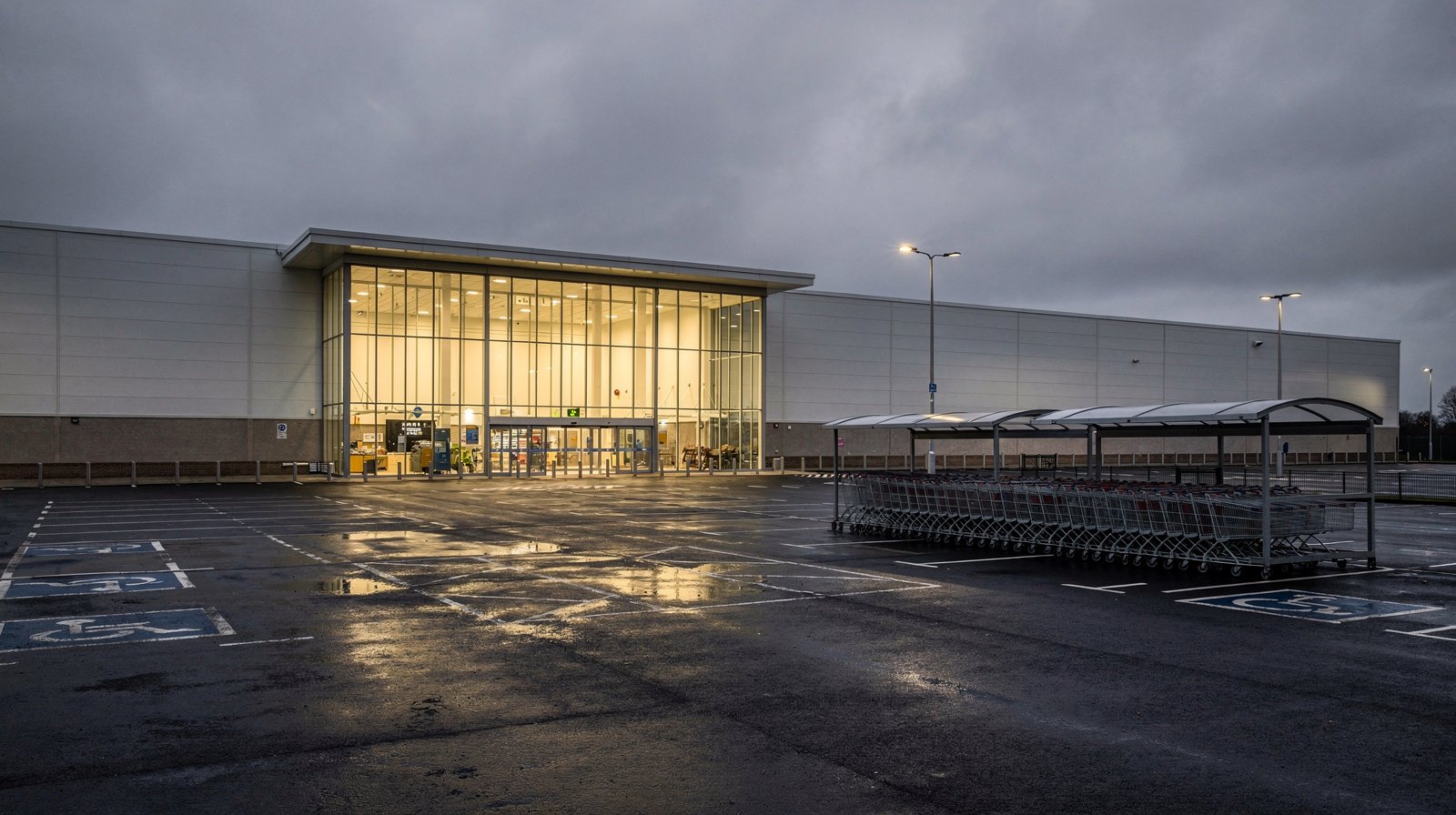
Morrisons is close to raising hundreds of millions of pounds against the buildings it trades from, and the party sniffing around is not a rival grocer but a landlord. Reports this week say the supermarket is in talks over a roughly £600m store property deal, with the US real estate group Realty Income named as the group leading the discussions.
Nothing is signed. Morrisons has not confirmed a figure, a structure, or which stores are involved. But the shape of the thing is familiar, and it says a lot about where the Bradford grocer sits right now.
What the Morrisons store property deal actually involves
At its core this is a fundraise. Morrisons owns the freehold on close to 80% of its estate, one of the highest ownership rates in UK grocery, which hands it an unusually big pile of bricks to borrow against. The reported £600m would be secured on a slice of that portfolio.
Realty Income is not a household name in Britain, but it is an S&P 500 net-lease REIT that already collects rent from Asda, Tesco, Sainsbury’s and Waitrose sites over here. Grocery property is exactly its patch. It was described as one of several parties in the frame, so a different funder could still emerge before anything lands.
Investors like Realty Income are drawn to grocery precisely because it is dull in the best way. Supermarket sites tend to come with long leases, reliable rent and tenants that do not walk away easily, which is why property-backed funding has become such a common tool for debt-heavy retailers looking to free up cash without selling the shop.
The key point for shoppers: this is not a sale of the business, and it is not stores being shut. It is money raised on property that Morrisons carries on trading from.
Why it is not a classic sale-and-leaseback
People hear “property deal” and assume a sale-and-leaseback, where a retailer sells its shops outright then rents them straight back. The reports suggest this one is built differently.
Rather than handing over the freeholds, Morrisons looks set to borrow against them, using the stores as collateral while keeping ownership and day to day control. That distinction matters. A conventional sale-and-leaseback locks you into decades of rent and gives the upside on the property to someone else. Financing secured on the estate is closer to a large mortgage against assets you already hold.
It is the same playbook Morrisons ran in 2024, when it struck a £370m arrangement with Song Capital covering the income from 75 supermarkets over roughly 45 years, while holding on to the freeholds throughout.
Why Morrisons is pulling this lever now
The short answer is debt, and a fight it is currently losing. Morrisons was taken private by Clayton, Dubilier & Rice in 2021 in a deal worth close to £10bn including debt, which loaded up the balance sheet.
CD&R has been chipping away at that pile ever since. Net debt has fallen from about £6.2bn toward £3.17bn at the last count, for the year to 26 October 2025. Revenue rose 3.2% to £15.8bn and the statutory pre-tax loss narrowed to £381m from £414m. Real progress, but a loss is still a loss.
Then there is Lidl. The discounter overtook Morrisons this year to become Britain’s fifth-largest supermarket. On recent share figures Lidl sat on 8.6% with sales up 8.8%, while Morrisons held 8.3% with growth of just 1.3%. Cheaper money raised against property can be pushed straight into prices and stores to slow that bleed.
What a fresh £600m could realistically go towards:
- Sharper pricing to defend market share against Aldi and Lidl
- Refits and refreshes across the core superstore estate
- Further debt reduction to cut the interest bill
- Loyalty, online and the More card, plus the café and services side
A pattern, not a one-off
This is the third move on the property lever in under two years, and it fits a clear direction of travel. CBRE was reportedly hired earlier in 2026 to look at raising up to £1bn against the freehold estate, so a £600m round may be the first, more digestible slice of that wider plan.
| When | Move | Size | Detail |
|---|---|---|---|
| 2021 | CD&R takeover | ~£10bn | Debt-funded buyout, net debt peaks near £6.2bn |
| 2024 | Song Capital income deal | £370m | Income from 75 stores over ~45 years, freeholds kept |
| Early 2026 | CBRE mandate | up to £1bn | Review of raising cash against the freehold estate |
| This week | Realty Income talks | ~£600m | Store-backed financing, preliminary and unconfirmed |
What it means for the stores and the shelves
For the roughly 500 supermarkets and 95,000 staff, a financing deal changes very little on the ground in the near term. Morrisons keeps the keys.
It is worth separating all this from the closures that made headlines. Morrisons has been shutting 145 loss-making sites, mostly cafés, counters and a batch of former McColl’s convenience shops it took on in its £190m rescue of that chain in 2022, with around 365 jobs affected. That is cost-cutting at the fringes of the estate, a very different exercise from raising money against the big freehold superstores at the centre of it.
Read together, the two moves tell one story. Trim the parts that lose money, then borrow against the parts that make it. For a grocer trying to fund a price war while carrying the debt from its own buyout, the freehold estate is fast becoming the most useful asset it owns.
The bigger question is what CD&R does with the runway. Every hundred million raised against property is money that does not have to come out of suppliers or shoppers. Whether that is enough to turn the Lidl tide is the one part no property deal can answer.
Expect either confirmation or a firm denial in the coming weeks. Given the trail from Song Capital to CBRE to Realty Income, the direction of travel looks set even if this particular £600m does not end up landing.