Brand-owned resale versus ThredUp and Poshmark: which route fits
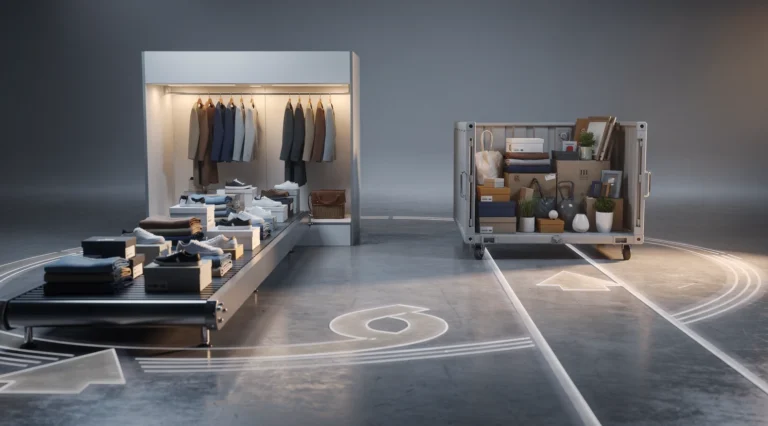
Three routes into resale, three very different cost structures. Here is how brand-owned, powered-by and marketplace resale compare in practice.

 Carlos Mendez
Three routes into resale, three very different cost structures. Here is how brand-owned, powered-by and marketplace resale compare in practice.
Luxury has raised prices faster than inflation for years. This looks at where pricing power still holds and where volume is already leaving.

Concessions put a brand inside a department store without a wholesale order. Here is how the commercial terms actually work.

Nestlé reported 3.6% organic growth for the first half of 2026 as pricing and a coffee-led recovery lifted sales, while e-commerce reached 21.8% of group revenue. Net profit fell 31% on divestment write-downs as CEO Philipp Navratil pressed ahead with a CHF 3 billion cost program and a bottled-water joint venture.

Tariffs & Customs deep dive: Importer of record and customs bonds, explained.
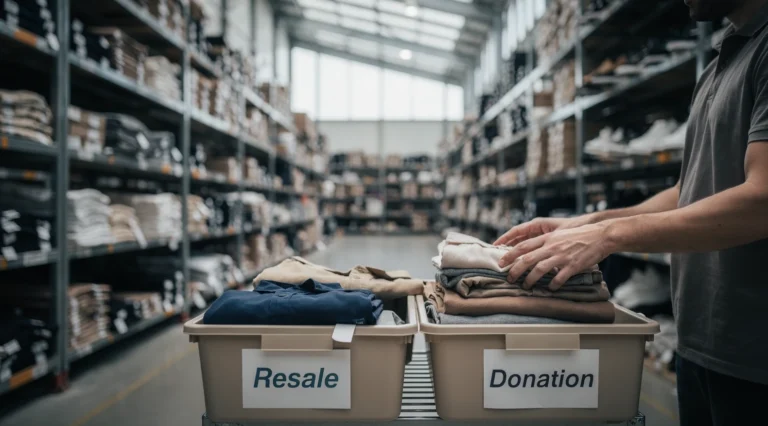
From July 19, 2026, large EU companies can no longer destroy unsold clothes, accessories and footwear and must resell, donate or recycle them instead. Medium-sized firms follow in 2030, with fines and annual disclosure rules backing the ban.

U.S. retailers are on track to move a record 2.47 million containers through the nation’s ports this month, even as ocean freight rates finally start …

Three signals from June and July 2026 (a live payments rail, a platform at general availability, and an agentic hiring wave) point to agentic checkout becoming a named sales channel before year-end. Expect at least one major US retailer to cite agent-referred or proxy sales in Q3 or Q4 investor commentary.

Kroger is likely to formalize a structured price-investment program under Greg Foran, its version of the Walmart US everyday-value playbook, most plausibly confirmed at Q2 earnings in September 2026. Three signals from the last month, Foran’s pricing critique, resumed store closures, and accelerating retail-media profit, point to a self-funded reset.

Stripe and private equity firm Advent International have offered more than $53 billion, or $60.50 a share, to buy PayPal. The unsolicited bid marks one of the largest deals in payments history and faces steep antitrust hurdles.