
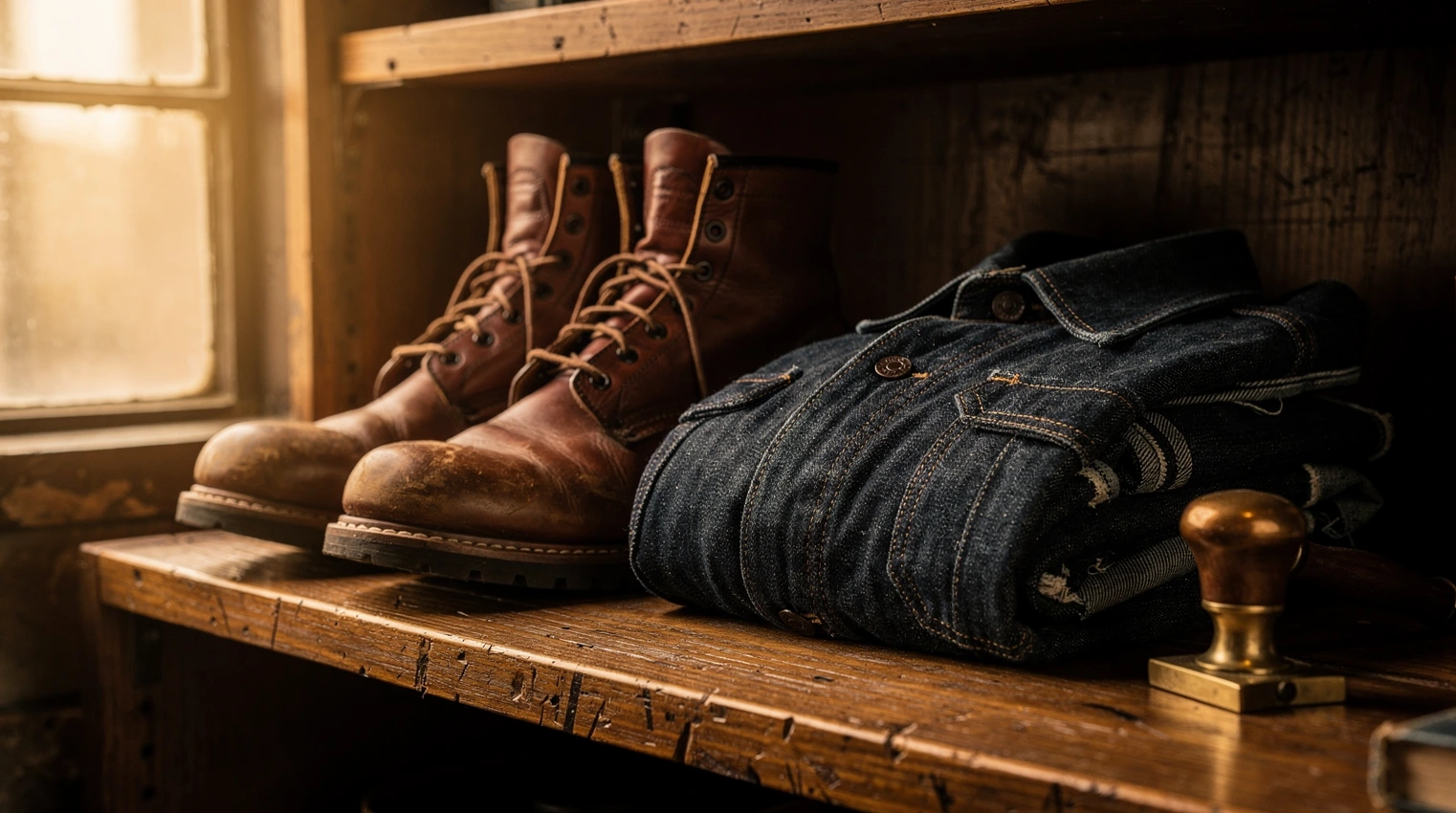
Heritage brands sit on something most retailers spend a decade chasing: a name customers already trust. The hard part is converting that trust into a 2026 business that competes with digitally native brands launching on TikTok, marketplace specialists owning category search, and private label programs from Amazon and Walmart that match quality for half the price. Heritage brand relevance is the discipline of keeping a multi-decade name commercially current without trading away the equity that made it valuable in the first place.
This guide walks through how US heritage brands across apparel, footwear, food, beauty, and home goods are doing exactly that. It draws on filings, retail trade press, and conversations across the wider modern brand playbook for retail and e-commerce we publish at ShopAppy. If you run a brand older than 25 years, or work for a retailer that carries one, the playbook below will be familiar in places and uncomfortable in others. That is the point.
In short
- Heritage is a balance sheet asset, not a museum exhibit. Treat it like equity that compounds when invested and depreciates when ignored.
- Distribution mix decides survival. Brands that diversified beyond department stores before 2020 came through the decade in better shape than those that did not.
- Product is still the lead variable. No archive collaboration or TikTok campaign saves a heritage brand that stopped making things people actually want.
- The 70/20/10 rule works. Roughly 70% icon products, 20% updates of those icons, 10% experimental. Most failures come from inverting that ratio.
- Younger buyers will pay heritage prices when the story is legible. They will not pay them when the story is hidden behind a 1990s website and stale photography.
Why heritage brand relevance matters in 2026
The US retail picture in 2026 is split. Private label has reached roughly a quarter of total grocery and household spend, marketplace sellers control most long-tail discovery, and a generation of digitally native vertical brands has matured into multi-channel businesses. Heritage names that were category defaults in 2005 now share shelf space with three competing structures at once.
That has consequences. A name on the door no longer guarantees a category click on Amazon or a shelf at Target. Retail buyers want sell-through math, not nostalgia. Consumers under 35 came of age on direct-to-consumer brands that offered free returns, founder-led marketing, and product drops timed to social posts. They will give a heritage brand the benefit of the doubt for about one purchase. After that, the brand is judged on the same axes as every other option.
What still works in favor of heritage names is harder to manufacture: real provenance, archive depth, supplier relationships that go back generations, and the kind of consumer trust that gets logged in the back of a buyer’s mind decades before a purchase decision. Companies like Levi Strauss, L.L.Bean, Pendleton, Wrangler, Carhartt, Red Wing Shoe Company, Stetson, KitchenAid, Le Creuset (operating in the US since the 1970s), and Filson have all leaned hard on those assets in the past five years, with varying results. The same is broadly true in food, with Heinz, Ocean Spray, King Arthur Baking, and Bush Brothers managing similar transitions.
Relevance, in this context, is not a vibe. It is whether a heritage brand can grow units, hold price, and recruit buyers under 35 at a rate that replaces the buyers it is naturally losing each year. That is the metric. Everything else is downstream.
Key terms and definitions
Before getting into tactics, a few terms used through this piece are worth pinning down. They get used loosely in trade press, and the looseness hides real decisions.
- Heritage brand: A consumer brand with at least 25 years of continuous operation, a recognizable visual identity tied to its founding era, and a meaningful share of customers who associate the brand with their family history or personal past.
- Brand equity: The premium a customer pays for the same physical product because of the name on it. Measurable through price elasticity tests, willingness to pay surveys, and category share at parity feature.
- Icon product: The single SKU or product family that most customers picture when they hear the brand name. Levi’s 501. L.L.Bean Boots. KitchenAid stand mixer. Carhartt chore coat.
- Archive activation: Bringing a historical product, pattern, or campaign back into current commercial use, usually with subtle updates for current sizing, materials, or retail price points.
- Brand stretch: Extending a heritage name into a category it has not historically served. High risk, occasionally high reward.
- Recruitment cohort: The age band of new customers entering the brand each year. Heritage names tend to lose this metric quietly before they lose anything else.
How heritage relevance actually works in practice
The brands that have maintained relevance over the past decade share a small set of operating habits. None of them are secrets. The execution is the hard part.
1. They run their archive like a product team
Filson, Pendleton, and L.L.Bean have all turned their archives into internal R&D departments. A small team digs through patterns, fabric swatches, catalog scans, and old SKU files. They pull the items that solve a current customer problem (a coat, a blanket, a tote) rather than items that are merely old. Then product development rebuilds the piece around current sizing and supply chains. The output ships under names like “1962 reissue” or “archive series,” which gives marketing a story that does not require inventing one.
2. They protect the icon, then build outward
Levi Strauss’s last several earnings calls keep coming back to the 501. The brand will not let it drift. Cuts, washes, fabrics, and price points sit in a tight band, with experimental work happening in separate sub-lines. Carhartt does similar work with its chore coat and double-knee pant. KitchenAid does it with the stand mixer. The pattern is consistent: a heritage brand without a defended icon product loses pricing power within a few cycles.
3. They diversify channels before they have to
The brands that survived the department store contraction of the early 2020s did so because they were already running meaningful direct-to-consumer, wholesale, and own-store programs in parallel. When a major department store account drops a brand or files for restructuring, a brand with 60% of sales locked into wholesale takes a body blow. A brand that runs a healthy DTC site, a thoughtful Amazon presence, an outlet network, and a tight specialty wholesale program absorbs the loss as a quarter of pain rather than a structural crisis.
4. They take social and creator marketing seriously, on their own terms
Stetson collaborating with Beyoncé during the Cowboy Carter cycle, Carhartt’s quiet dominance on TikTok work-style content, and L.L.Bean Boots showing up in fashion week street style: none of this is accidental. The pattern is that heritage brands now treat creator marketing as a recruitment channel for buyers under 35, not as a side hustle. When the brand picks the right collaborator, the math works because the underlying product earns repeat purchase. For deeper context, see our reporting on picking an influencer agency for retail, which covers how to vet partners on questions like roster fit, content rights, and exclusivity windows.
5. They invest in the physical brand
Stores, factories that allow tours, flagship experiences, repair programs, and pop-ups all read as proof. A 110 year old brand that runs a public-facing repair program is making an argument about durability that no ad campaign can credibly make alone. Filson’s restoration service, L.L.Bean’s lifetime stitching repair on Bean Boots, and Patagonia’s Worn Wear program (Patagonia is a younger brand but built on heritage logic) are the canonical examples.
Common mistakes and how to avoid them
Heritage brands fail in a few repeatable ways. They are easier to see in hindsight, harder to spot inside the company.
- Treating heritage as a moat. The brand assumes the name does the work and stops investing in product, photography, or site experience. The first sign is usually a slow decline in DTC conversion, not wholesale sell-through, because retail buyers will keep ordering for a year or two on autopilot before pulling back.
- Over-rotating to discount. When growth slows, the easy lever is promotion. Heritage brands that train customers to wait for 30% off eventually lose pricing power on the icon product, which is the only number that matters long term.
- Stretching the brand too far. A boot brand launching a beverage. A denim brand launching skincare. These can work, but they usually do not, and they consume management bandwidth that the core business needs.
- Letting the website lag a decade. A heritage name on a slow, search-broken, mobile-hostile site is the fastest way to lose buyers under 35. They do not assume the website reflects the brand. They assume the website reflects the company.
- Outsourcing the archive. Hiring an agency to “do the heritage thing” without internal ownership of the archive produces work that looks like every other heritage brand’s campaign. The asset only matters when it is held inside the company.
- Skipping recruitment math. If the average customer age is creeping up year over year and nothing in the marketing plan is recruiting younger buyers, the business is in run-off. It just has not shown up in the P&L yet.
- Killing the icon with a redesign. Periodic refreshes are healthy. A wholesale redesign of an iconic product is almost never rewarded by the existing customer base, and rarely picks up enough new buyers to compensate.
Examples from US retail and e-commerce
A few short case sketches show how these principles play out. None of these are perfect: every heritage brand has stumbled somewhere in the past decade. The point is the direction of travel.
| Brand | Founded | What kept it relevant | Where it stumbled |
|---|---|---|---|
| Levi Strauss | 1853 | Defending the 501, rebuilding DTC, women’s denim push | Premium positioning fights against value pricing pressure |
| L.L.Bean | 1912 | Boots resurgence, outdoor lifestyle push, store expansion | Catalog business declined faster than digital replaced it |
| Carhartt | 1889 | Lifestyle adoption without abandoning workwear roots | Counterfeit pressure, scarcity vs. growth tension |
| Pendleton | 1909 | Archive blanket program, Native American collaboration model | Apparel side has been a tougher sell than home goods |
| KitchenAid | 1919 | Stand mixer color extensions, color-of-the-year program | Smaller appliances face heavy private label competition |
| Stetson | 1865 | Music and entertainment collaborations, western style revival | Distribution rationalization in the 2010s lost some equity |
| Red Wing | 1905 | Heritage line success, owned retail expansion | Price gap with mid-tier work boots widened too far |
| Filson | 1897 | Restoration program, archive activation, lifestyle photography | Smaller scale limits marketing budget against bigger names |
Across this set, the brands that put real money into archive work, owned retail, and creator partnerships outperformed the brands that ran on the name alone. The brands that protected an icon product through every business cycle held pricing better than those that experimented with frequent redesigns. Almost everyone had to rebuild their DTC tech stack at some point in the 2020s.
It is also worth comparing the heritage approach to its inverse. The anatomy of a digitally native vertical brand profile shows how new entrants try to build, in a decade, the trust that a heritage brand inherits at birth. And the challenger brand positioning playbook explains how younger brands try to beat heritage names on positioning rather than product. Both pieces describe the competitive environment heritage brands now operate inside.
Tools, partners, and vendors worth knowing
Most heritage brand relevance work is operational, not technological. The tools below show up repeatedly inside US brands that are doing this work well in 2026.
- Archive digitization vendors. Companies that scan and tag historical pattern books, catalogs, and lookbook photography into searchable internal databases. Without this, archive activation depends on whoever happens to remember a given product.
- Headless e-commerce stacks. Heritage brands tend to have a tangle of legacy systems: ERP, PIM, multiple storefronts, a wholesale portal, an outlet site. A headless approach lets the brand modernize the storefront layer without ripping out the back office.
- Customer data platforms. Recruitment cohort tracking only works when first-party data is unified across DTC, wholesale-referred traffic, and physical retail. CDPs are the practical answer.
- Returns and repair partners. Repair as a brand asset only works when there is an operating partner that can actually do the work at volume. A handful of US specialists serve heritage apparel and footwear brands specifically.
- Influencer and creator agencies. Most heritage brands do not have internal creator marketing depth. An agency with a sane roster and clear KPIs is usually a better answer than hiring a single in-house lead.
- Wholesale data platforms. Sell-through data from key accounts, weekly, in one place. Heritage brands tend to be wholesale-heavy. Visibility is non-negotiable.
- PR firms that understand category press. Heritage brands earn coverage in trade press (footwear news, home textiles, food trade) more reliably than they earn consumer press. A PR partner who knows the trade beat matters.
The picks here will look different depending on category. A heritage food brand needs different repair logic (it does not need repair) and very different wholesale data tools than a heritage apparel brand. The categories are listed so the operating model is legible, not as a shopping list. For a broader view of how these decisions connect, the modern brand playbook goes deeper on the structural choices behind brand operating models, including how heritage names plug into wider retail strategy.
The 70/20/10 product rule
One operating rule deserves its own section because it shows up so often in heritage brand product roadmaps that work. The rule is rough, not exact, and applies more cleanly to apparel and footwear than to packaged goods. The split is approximately:
- 70% icon and core. The products that everyone expects from the brand, refreshed at the seasonal level only.
- 20% archive activations and updates. Heritage pieces brought back, modernized colorways, fabric upgrades, and clear “this is the same idea, with these specific changes” stories.
- 10% experimental. Collaborations, new categories, future-facing material work. Expected to fail more often than not, useful for press, recruitment, and learning.
The most common failure mode is inverting the ratio. A brand chases recruitment by running 40% experimental, lets the icon drift, and stops investing in archive activation. The marketing calendar fills up. The brand looks busy. Three years later, the core business has been hollowed out and the experimental work was not big enough to replace it. The same logic applies to packaged food brands, with “limited edition” flavors filling the experimental slot and the icon SKU losing facings on shelf.
Pricing power and how heritage brands lose it
Pricing power is the simplest measure of whether heritage relevance is intact. If a brand can take a 5% price increase on its icon product without measurable unit decline, the equity is doing its job. If a 3% increase produces a meaningful drop, the equity is leaking somewhere.
The most common leaks are predictable. Promotion creep on DTC, where the brand starts running 20% off everything during four cycles a year and trains buyers to wait. Outlet bleed, where outlet-specific product becomes indistinguishable from full-line product and customers learn the trick. Marketplace mismanagement, where third-party sellers list at chaotic prices and Amazon’s Buy Box surfaces the lowest one. Wholesale doorbusters, where a key account uses the brand to drive traffic with deep cuts and the brand has not negotiated MAP enforcement.
The Federal Trade Commission’s general guidance on truth in advertising covers MAP and reference pricing at a high level (FTC business guidance on advertising and marketing), and most experienced wholesale teams have a working playbook. But it is worth saying out loud: heritage brand relevance and pricing discipline are nearly the same conversation. Lose one, the other follows within a few cycles.
Recruitment cohorts: the leading indicator
The cleanest single dashboard metric for a heritage brand’s future is the average age of new customers acquired each quarter. If it is creeping up, the brand is in slow decline regardless of what the current revenue line looks like. If it is flat or declining, the brand is at least replacing the buyers it loses each year. If it is declining and units are growing, the brand has earned the right to a real growth narrative.
Most heritage brands do not look at this number cleanly. They look at total customers, or DTC customer count, or social followers. Those are downstream. The leading indicator is new-buyer age, broken down by channel and by SKU. A brand whose icon product is being purchased by buyers under 30 has a future. A brand whose icon product is being purchased mostly by repeat buyers over 50 is in run-off and needs to do something specific about it.
The fix, when the number starts drifting, is rarely a single big marketing campaign. It is usually a combination of product (a slightly different fit or size run), distribution (a specialty wholesale partner with a younger audience), and content (creator partnerships that put the icon product in front of a different room). The brands that grow recruitment cohorts year over year tend to be the ones that run all three at once.
Frequently asked questions
What is heritage brand relevance, in one sentence?
It is the discipline of keeping a multi-decade consumer brand commercially current with buyers under 35 without trading away the equity that made the brand valuable to older buyers.
How old does a brand have to be to count as heritage?
There is no fixed cutoff. Industry usage tends to start around 25 years of continuous operation, with most well-known heritage brands sitting in the 75 to 175 year range. Age alone is not enough; the brand also needs an icon product, a recognizable visual identity, and meaningful inherited trust.
Can a heritage brand compete with a digitally native brand on price?
Usually not on a like-for-like basis. The right play is to compete on durability, repairability, and total cost of ownership, not headline price. Heritage brands that win on price tend to do so on cost-per-wear or cost-per-year math, not at the moment of purchase.
How do you start an archive activation program from scratch?
Begin with a physical and digital audit of what the archive actually contains. Tag everything by year, category, and design notes. Then have product development and marketing each pick three pieces that solve a present-day customer problem. Build commercial samples. Ship the strongest one as a controlled drop, not a full launch.
Is collaboration with a celebrity or creator worth it for a heritage brand?
It can be, when the collaborator is plausibly a long-term user of the brand and the product itself is real rather than gimmicky. The clearest wins involve creators whose audience already overlaps with the brand’s recruitment target, so the activation lands as recognition rather than novelty.
How quickly will I see results from heritage brand relevance work?
Recruitment cohort changes show up in 6 to 12 months. Pricing power changes show up in 12 to 24 months. Brand health survey movement takes 18 to 36 months. Anyone promising faster numbers is selling something.
What is the single biggest mistake heritage brands make in 2026?
Letting the website lag a decade behind the brand’s actual product and storytelling. Buyers under 35 read the site as the brand. A heritage name on a slow, search-broken, mobile-hostile site loses recruitment faster than any other single issue.
Where does this fit in the broader brand playbook?
Heritage brand relevance is one chapter inside the wider modern brand playbook for retail and e-commerce, which covers brand operating models, digitally native brands, challenger positioning, and the marketing stack behind all of them.
Where to go next
If you are running a heritage brand or working on one as a retailer, the next moves are usually local. Audit the icon product. Tag the archive. Pull a clean recruitment cohort number for the past eight quarters. Look at the website on a 2 year old Android phone over a slow connection. Talk to three customers under 30 and three customers over 60 and listen to where the stories diverge. Most of the work surfaces from that exercise.
For wider context on how heritage names sit alongside the rest of the brand landscape (DNVBs, challengers, private label, marketplace specialists), the pillar overview at the modern brand playbook for retail and e-commerce is the right next read. It pulls together the operating choices behind each model and shows how the heritage approach fits.