
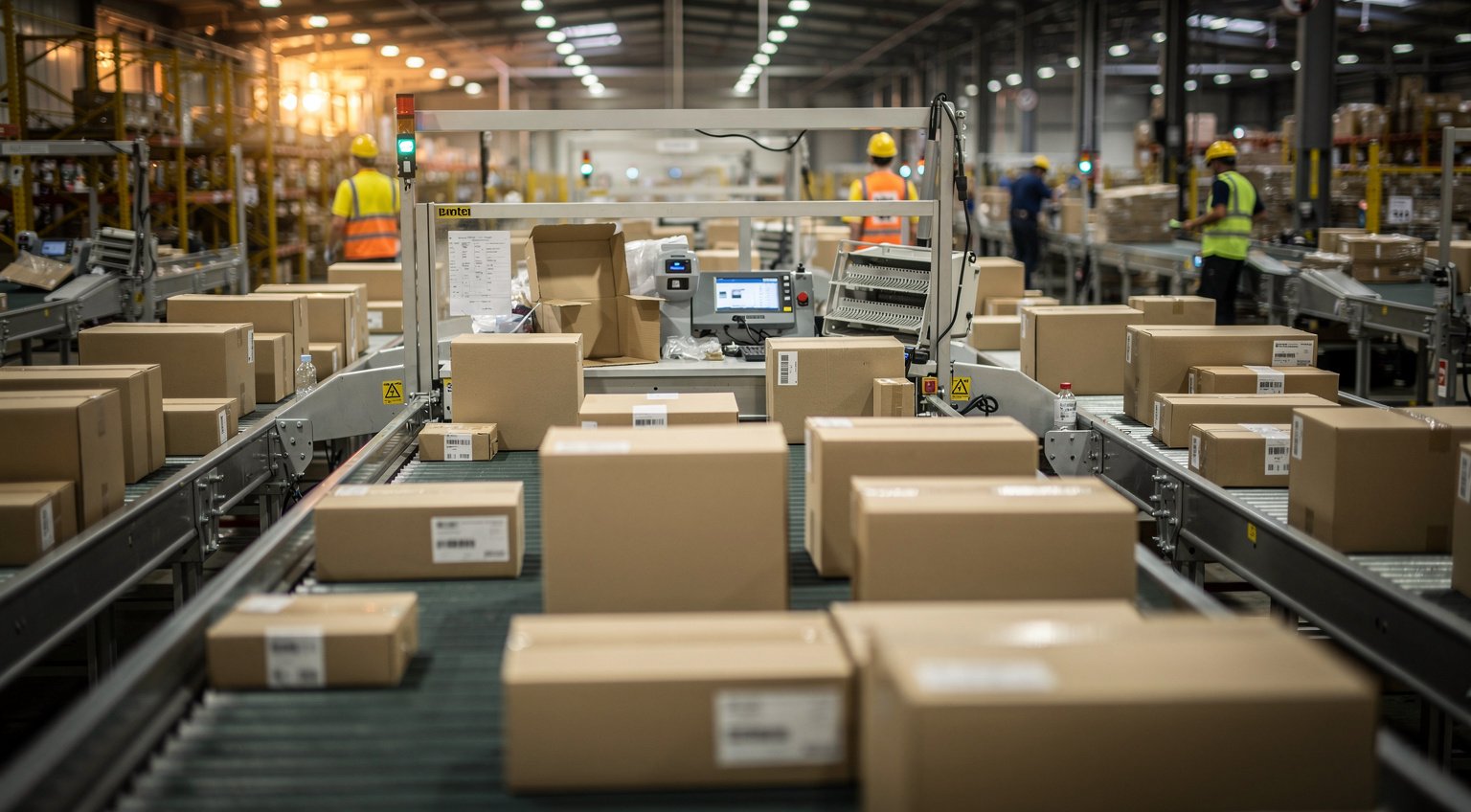
Starting July 24, the last big gap that let cheap overseas parcels slip into the United States without standard duties officially closes, and retailers are racing to get ahead of it. US Customs and Border Protection is ending the de minimis rule for goods arriving through the international mail network, the final channel that still let low-value packages skip regular tariffs. For millions of shoppers ordering direct from sellers abroad, the change lands in under a week.
De minimis was the provision that let any shipment worth $800 or less enter the country duty free. It was the quiet engine behind the flood of $6 phone cases and $15 dresses shipped straight from factories overseas. CBP already killed the exemption for air cargo and courier parcels earlier this year. Mail was the last mode standing, and now it is going too.
CBP locked in the change with an interim final rule issued June 24, and the mail piece takes effect July 24. As of today, that gives sellers and logistics teams six days to sort out how they classify, price, and pay for the packages they send.
What actually changes on July 24
The short version: postal shipments now play by the same tariff rules as everything else. A few specific things flip on that date.
- The de minimis exemption for mail shipments is suspended, so standard MFN duties plus Section 232 and Section 301 tariffs apply to postal parcels for the first time.
- The temporary 10% global surcharge that had been sitting on postal goods expires, and full product specific rates take its place.
- The threshold for prepaying duties on a postal parcel jumps from $800 all the way up to $2,500, which pushes more of the paperwork onto the sender before the box ever ships.
- Filers now have to hand CBP a real merchandise description, the 10 digit HTSUS classification code, and a bond number, with entries filed monthly in a spreadsheet and paid through Pay.gov.
There is a grace window built in. The formal compliance date is October 22, so carriers and platforms have time to get their systems clean before enforcement tightens. The public comment period on the rule also runs until July 24, the same day it takes effect.
Why your Shein and Temu orders already cost more
Shoppers who buy from Shein, Temu, and AliExpress have been feeling this for a while. Those platforms built their whole US model on de minimis, sending tiny individual parcels straight from factories so each one landed under the $800 line and paid nothing at the border.
That math broke once the exemption started coming off. Low value goods from China now carry tariffs of roughly 35%, and a lot of that lands on the customer. On a $15 dress, that works out to about $5.25 in duty plus a processing fee tacked on top. The July 24 change extends the same treatment to anything that was still sneaking through the mail lane.
Retailers are front-loading imports right now
Bigger retailers are not waiting to find out. Many have been rushing goods into the country early to beat the next round of duties, and the port data shows it plainly.
The National Retail Federation estimated that inbound port volumes jumped 19% year over year in June. It expects US ports to handle about 2.47 million twenty foot container units in July, a record level of imports. Then the surge is forecast to cool off fast, with August dropping to roughly 2.22 million units, down 4.5% from a year earlier.
That spike and drop tells the story: companies pulled inventory forward before the tariffs got heavier. For anyone selling online, supply that looks fine this summer could get tighter and pricier by fall.
A second wave of tariffs is still loading
The de minimis change is not the only thing in the pipeline. The Office of the US Trade Representative has proposed a fresh set of duties on 60 economies over their failure to block goods made with forced labor, a case built under Section 301 of the Trade Act.
The proposed rates run 10% for economies with a full or partial forced labor import ban in place, and 12.5% for everyone else. The list pulls in China, the European Union, and Japan, and by USTR’s own framing it touches close to 99% of all goods coming into the country. Comments were due July 6 and a hearing was held July 7, with the duties potentially taking effect by the end of the month.
Europe is tightening its parcel rules too
This is not just a US story. The European Union started its own low value crackdown on July 1, adding a flat customs charge of about 3 euros per item code on small parcels, regardless of how little the package is worth.
A separate handling fee of roughly 2 euros per item code is set to follow by November 1, which brings the combined cost to around 5 euros per code once both are live. The EU plans to scrap its low value exemption entirely by 2028, at which point small parcels get assessed at the same duty rates as bulk commercial freight.
For cross border sellers, the message from both sides of the Atlantic is the same. The era of shipping cheap goods across borders with no duty attached is ending, and the cost is moving onto the parcel and, eventually, the shopper.
What to watch next
The immediate date to circle is July 24. That is when postal parcels lose their exemption, the prepaid duty threshold moves to $2,500, and the new filing requirements switch on. Full compliance follows on October 22.
For online shoppers, expect more checkout surprises on imported goods and slower delivery on anything held for a customs entry. For retailers and marketplace sellers, the safe move is to nail down HTSUS codes, confirm who pays the duty, and plan inventory around a fall where landed costs run higher than this spring.