
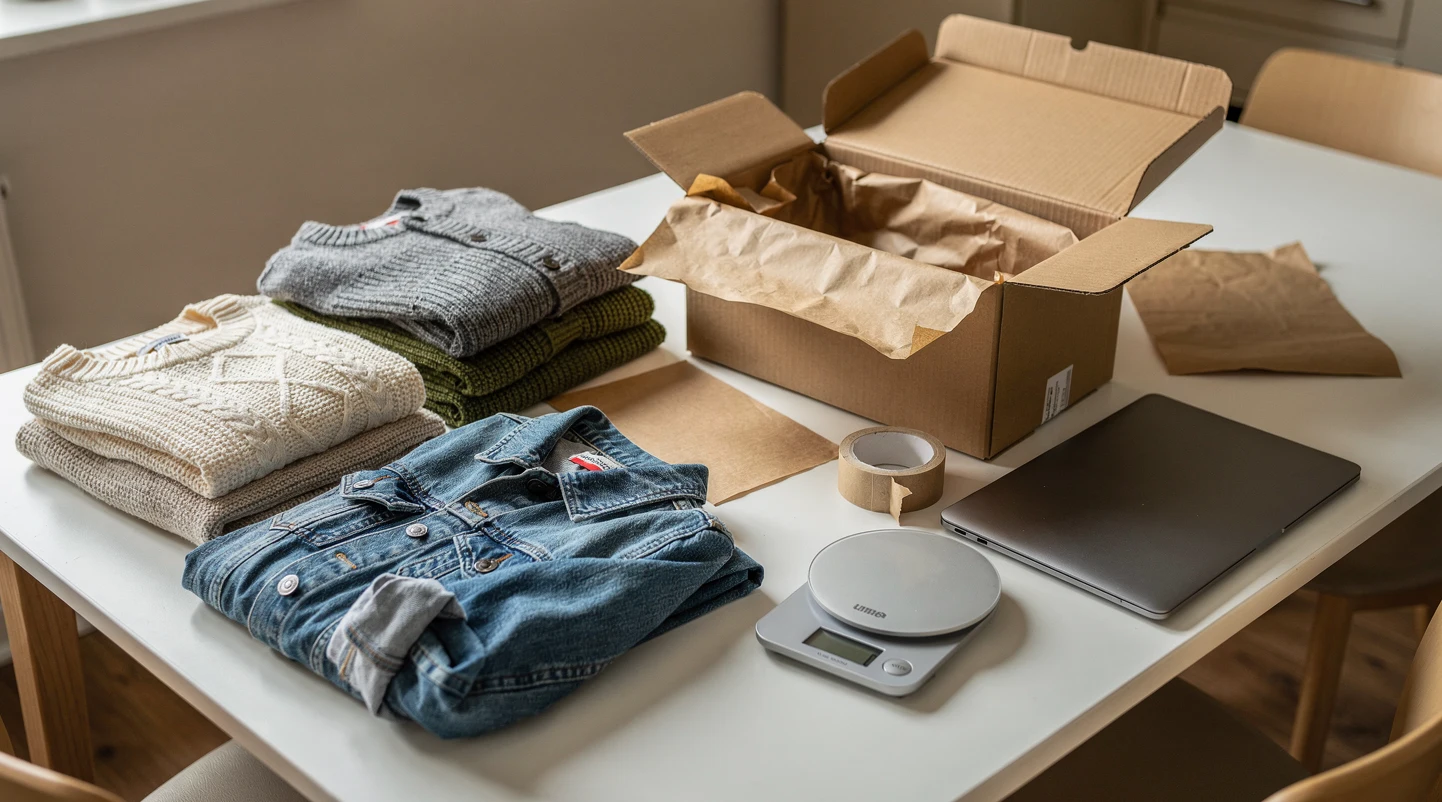
People who sell clothes on Vinted, flip trainers on eBay, make candles for Etsy or walk dogs at the weekend have been handed the first rise in their tax-free threshold since it was created. In his first Budget on Wednesday 28 October 2026, Chancellor John Healey confirmed that the Income Tax trading allowance will treble from £1,000 to £3,000 from 6 April 2027, and that the Self Assessment reporting threshold for trading income will rise to the same level.
The change was one of the most consumer-facing lines in a Budget otherwise dominated by energy bills, frozen tax thresholds and business rates. It also sits alongside two other measures that matter to anyone who sells online: a new duty on marketplaces to collect VAT from larger UK business sellers from October 2027, and the end of the £135 customs duty relief on cheap imported parcels from October 2028. This article explains what changes, when, who gains, and what the new rules do not do.
In short
- Trading allowance trebles: the tax-free allowance for small trading income rises from £1,000 to £3,000 on 6 April 2027, the start of the 2027/28 tax year.
- Self Assessment threshold rises too: people whose only trading income is £3,000 or less will normally not need to file a tax return for it.
- Nothing changes yet: the current £1,000 limit still applies for the 2026/27 tax year, including this Christmas and Black Friday selling season.
- Personal clear-outs were never taxed: selling your own unwanted belongings is generally not trading; the allowance matters to people who buy to resell, make to sell or offer services.
- Platforms still report you: Vinted, eBay and others keep sending HMRC data on sellers with 30 or more sales or more than about £1,700 a year, regardless of the new allowance.
What exactly did the Budget announce on the trading allowance?
The Budget document published on GOV.UK says that “to support entrepreneurs to take the first steps in starting a small business, the government is also tripling the generosity of the Trading Allowance from £1,000 to £3,000 from 6 April 2027.” The accompanying overview of tax legislation and rates confirms that the Self Assessment reporting threshold for trading income rises to £3,000 from the same date. Both changes will be legislated in Finance Bill 2026-27.
The trading allowance was introduced in April 2017 and had been frozen at £1,000 ever since. It lets an individual receive up to that amount of gross trading income in a tax year without paying Income Tax on it or reporting it to HMRC. Above the limit, a person either declares their actual profit (income minus allowable expenses) or deducts the allowance from their income instead of claiming expenses.
The measure appeared in the Treasury’s main policy costings table as item 15. It costs nothing in 2026-27 or 2027-28, then reduces receipts by £225 million in 2028-29, £165 million in 2029-30, £175 million in 2030-31 and £180 million in 2031-32. The two-year lag reflects how Self Assessment works: tax on income earned in 2027/28 is not due until 31 January 2029.
The allowance rise landed in the same package as a higher small business rate relief ceiling for high street premises, which shopappy covered when the Chancellor confirmed the business rates relief threshold of £18,000 for shops. Taken together, the Treasury is presenting the Budget as help for the smallest traders, both on the high street and online.
Which taxes and allowances are covered?
The trading allowance applies to Income Tax on trading income only. It is a single allowance per person, not per platform or per activity, so income from Vinted, eBay, Etsy, dog walking and tutoring all counts towards the same £3,000 total. According to Skint Dad’s analysis of the Budget documents, it cannot be used against partnership income, certain payments from an employer, or income from a business connected to the individual.
The separate £1,000 property allowance, which covers small amounts of income from letting a parking space or a room outside the rent-a-room scheme, is not changing. National Insurance has its own thresholds and is not altered by this measure.
When does the £3,000 allowance start, and does it help this Christmas?
The new limit applies from 6 April 2027. That means it does not cover anything sold during the 2026/27 tax year, which runs from 6 April 2026 to 5 April 2027. Sales made this autumn, through the Black Friday and Christmas peak and into the January sales, still fall under the existing £1,000 rule.
That matters because late autumn is the busiest period for many casual sellers. Shoppers looking for second-hand gifts and cut-price electricals drive demand, and many households list unwanted items to raise cash for Christmas. As shopappy reported this morning, the Black Friday 2026 sales season has already started early, and the sellers who trade into that demand will be judged against the old limit.
Key dates for online sellers
| Date | What happens | Who it affects |
|---|---|---|
| 28 October 2026 | Budget confirms trading allowance rise and marketplace VAT plan | All casual sellers and small traders |
| 31 January 2027 | Deadline for 2025/26 online Self Assessment returns and payment | Anyone with 2025/26 trading income above £1,000 |
| 5 April 2027 | Last day of the 2026/27 tax year under the £1,000 limit | Sellers trading this Christmas |
| 6 April 2027 | £3,000 trading allowance and £3,000 reporting threshold take effect | Trading income in 2027/28 onwards |
| 1 October 2027 | Marketplaces start collecting VAT on sales by UK business sellers above £90,000 per platform | Larger UK business sellers on Amazon, eBay and others |
| 6 April 2028 | £2,500 Self Assessment threshold for employment expenses removed | Employees claiming work expenses |
| October 2028 | £135 customs duty relief on low-value imports removed | Overseas sellers and UK buyers of cheap imported parcels |
| 31 January 2029 | First Self Assessment deadline for a tax year covered by the £3,000 allowance | 2027/28 sellers above £3,000 |
Who actually gains from the higher allowance?
The people who benefit are those whose activity counts as trading but who earn modest sums. HMRC guidance lists the signs of trading as buying items with the intention of selling them at a profit, and making items, including hobby items, to sell. Services such as dog walking, pet sitting, tutoring, cleaning, photography and freelance design also count as trading income.
In practical terms, that covers the Vinted reseller who picks up branded jumpers in charity shops and lists them at a mark-up, the eBay seller who buys job lots of vintage games, the maker who sells cards and candles on Etsy or at craft fairs, and the student who tutors a few evenings a month. Skint Dad gives the example of someone earning £1,500 from dog walking and £900 from handmade gifts: £2,400 in total, which would be fully covered by the new allowance.
For a basic-rate taxpayer with gross trading income of exactly £3,000, the change is worth up to £400 a year in Income Tax compared with today, because £2,000 more income falls inside the allowance and would otherwise be taxed at 20%. For a higher-rate taxpayer the saving on that £2,000 can reach £800. The bigger gain for many, however, is time: anyone under the threshold no longer needs to register for Self Assessment or keep tax records for that income.
What the change means in sales numbers
Average order values on resale platforms are low, which is why the old £1,000 limit was easy to breach. Data published this week by the seller-tools company FLUF put the average Vinted sale in its sample at £16.87. At that price, £1,000 equates to about 59 sales a year; £3,000 equates to about 178 sales, or roughly three or four a week.
The allowance is measured on income before expenses, not profit. A reseller who buys a coat for £8 and sells it for £25 has £25 of trading income for allowance purposes, not £17. That is the most commonly misunderstood point, and it is why some active resellers will still breach the threshold despite modest profits.
Worked examples under old and new rules
| Seller profile | Gross trading income | 2026/27 (£1,000 limit) | 2027/28 (£3,000 limit) |
|---|---|---|---|
| Wardrobe clear-out on Vinted, own items sold below cost | £1,400 | Usually not trading; no tax or return | Usually not trading; no tax or return |
| Charity-shop reseller on Vinted | £2,200 | Must register and report; tax on profit or on £1,200 | Fully covered; no return needed for this income |
| Etsy maker plus weekend dog walking | £2,400 | Must register and report | Fully covered |
| eBay vintage games flipper | £3,600 | Report; tax on profit or on £2,600 | Report; tax on profit or on £600 |
| Full-time marketplace trader | £40,000 | Claims actual expenses; allowance irrelevant | Claims actual expenses; allowance irrelevant |
In the £3,600 example, Skint Dad notes that using the allowance leaves £600 to be considered for Income Tax, which is not the same as a £600 tax bill. Whether any tax is due depends on the seller’s other income and their personal allowance, which remains frozen at £12,570.
Do people selling their own clothes on Vinted pay tax at all?
For most people, no. HMRC’s guidance on income from online platforms states that if you sell personal possessions, you probably do not have to pay Income Tax on them. Clearing out a wardrobe, selling a pram the children have outgrown or listing an old games console is generally not trading, because the items were bought for personal use and are usually sold for less than they cost.
There is one exception that catches a small number of sellers. Capital Gains Tax may apply if you sell a single item, or a set of items such as matching ornaments or a chess set, for more than £6,000. That is relevant to people selling designer handbags, watches or collectables at a profit, and it is entirely separate from the trading allowance.
The allowance therefore matters most to the grey zone in between: people who started by clearing out their own wardrobe and gradually moved into buying stock to resell. Once the intention to profit is there, the income is trading income, and the allowance is the line between needing a tax return and not.
Why the confusion around a “side hustle tax” persists
Much of the anxiety among UK sellers dates from January 2024, when HMRC’s reporting rules for digital platforms took effect. Viral social media posts claimed a new “side hustle tax” had been introduced. In fact no new tax was created; platforms simply began sharing seller data with HMRC, and the existing £1,000 allowance and personal possession rules continued to apply.
The Budget change does not alter those reporting rules either. It raises the point at which tax and paperwork bite, but it does not stop platforms collecting and sharing information about sellers.
Will Vinted, eBay and Depop still report sellers to HMRC?
Yes. Under the reporting rules for digital platforms, which apply in the UK from 1 January 2024 and follow an OECD model shared with the EU, platform operators must collect identity details from sellers and report their earnings to HMRC each year. HMRC guidance says platforms do not need to report sellers who receive a total of 2,000 euros or less (approximately £1,700) for fewer than 30 sales of goods in a year.
That reporting exception has not been moved by the Budget. So a seller who makes 35 small sales totalling £600 in a calendar year can still be reported to HMRC, even though they would be well within both the old and the new trading allowance. Being reported does not mean tax is owed; it means HMRC has data it can compare with tax returns.
There is also a mismatch of periods. Platforms report on a calendar-year basis, while the trading allowance and Self Assessment work on the 6 April to 5 April tax year. HMRC’s online checker asks sellers to convert calendar-year figures into tax-year figures before deciding whether they need to report.
Reporting rules compared
| Rule | Threshold | Period | Changed by Budget 2026? |
|---|---|---|---|
| Platform reporting to HMRC (goods) | 30 or more sales, or more than €2,000 (about £1,700) | Calendar year | No |
| Trading allowance | £1,000 now, £3,000 from 6 April 2027 | Tax year | Yes |
| Self Assessment reporting for trading income | £1,000 now, £3,000 from 6 April 2027 | Tax year | Yes |
| Capital Gains Tax on personal possessions | Single item or set sold for more than £6,000 | Tax year | No |
| Property allowance | £1,000 | Tax year | No |
| Marketplace VAT collection for UK business sellers | £90,000 sales per platform | Annual | New, from 1 October 2027 |
Why did the government raise it now?
The platforms themselves lobbied for exactly this figure. In September 2025, ChannelX reported that eBay UK had launched a campaign to treble the allowance from £1,000 to £3,000 ahead of the previous Chancellor’s November Budget. A letter to Rachel Reeves was signed by eBay UK general manager Eve Williams, Vinted Marketplace chief executive Adam Jay, Depop chief executive Peter Semple and Etsy’s global head of advocacy and public policy Jeffrey Zubricki, alongside the Federation of Small Businesses, techUK and Enterprise Nation.
The coalition argued that the £1,000 limit had been eroded by inflation since 2017 and that side hustles are an on-ramp to business creation, particularly for career returners, students and people topping up part-time income. That request was not granted in 2025. Thirteen months later, Mr Healey has adopted the coalition’s number in full.
The Treasury’s own framing is about enterprise rather than reselling. The Budget document places the allowance rise in a section on start-ups and scale-ups, next to a £5 billion uplift to the British Business Bank’s financial capacity. The Independent and This is Money both led their coverage on what it means for people selling on Vinted and eBay, reflecting where most of the public interest lies.
The cost in context
At roughly £165 million to £225 million a year, the allowance rise is a modest giveaway by Budget standards. It is broadly offset by the new marketplace VAT measure, which the Treasury expects to raise £165 million in 2027-28 rising to £320 million in 2028-29. The effect is that casual sellers gain while larger UK business sellers on marketplaces face tighter VAT collection.
How does the new marketplace VAT rule affect sellers?
The Budget confirmed that, from 1 October 2027, online marketplaces will be responsible for collecting VAT on sales by UK VAT-registered businesses and by other UK businesses with more than £90,000 of annual sales through a single platform. Until now, the online marketplace liability rules mainly applied to overseas sellers. Shopappy reported the plan when it was trailed before the Budget, in our analysis of why Healey is making Amazon and eBay collect sellers’ VAT.
The overview of tax legislation is explicit that the change excludes personal sales, second-hand goods and business-to-business transactions. Secondary legislation in 2027 will confirm the threshold and implementation date. The Treasury expects the measure to raise £165 million in 2027-28, £320 million in 2028-29, £270 million in 2029-30, £250 million in 2030-31 and £265 million in 2031-32.
For the casual seller covered by the £3,000 allowance, the VAT change is not relevant: they are nowhere near £90,000 in sales and are not VAT-registered. It matters for small brands and traders who have kept sales on each platform just under the £90,000 VAT registration threshold.
Two measures, two very different sellers
| Feature | Trading allowance rise | Marketplace VAT extension |
|---|---|---|
| Start date | 6 April 2027 | 1 October 2027 |
| Who it targets | Individuals with small trading income | UK business sellers above £90,000 per platform |
| Tax involved | Income Tax | VAT |
| Direction | Tax cut and less paperwork | Tighter collection at source |
| Treasury effect 2028-29 | Costs £225 million | Raises £320 million |
| Second-hand and personal sales | Personal possessions generally outside tax anyway | Explicitly excluded |
What does the Budget mean for eBay, Vinted and other marketplaces?
For the platforms, the allowance rise removes a deterrent that many say discouraged occasional sellers from listing more. eBay has spent the past two years courting UK private sellers, including scrapping selling fees for private sellers in the UK in 2024, and the higher allowance supports the same goal of more listings from individuals. Our guide to eBay in 2026 for resellers and collectors sets out how the platform has repositioned around pre-loved goods.
Vinted, which does not charge sellers a listing or selling fee in the UK and instead charges buyers a protection fee, has built much of its British growth on individuals clearing wardrobes. Depop and Etsy rely more heavily on small sellers who source or make stock, and these are the users most likely to fall into the trading bracket that the allowance covers.
None of the platforms had issued formal statements by the time of writing that shopappy could verify, so this article does not attribute reaction quotes to them. The fact that their joint 2025 request was met in full is likely to be presented by the industry as a win.
Will listings increase?
It is too early to measure. Seller data from FLUF this week showed Vinted sales in its sample down 10% week on week, with the typical seller down 25%, while active listings rose 10%. Those figures reflect a single seller-tool’s user base and short-term seasonality, not the effect of the Budget, which does not take effect for more than five months.
What is clearer is the psychological effect. The phrase “side hustle tax” has circulated since 2024, and a headline confirming that the tax-free limit has trebled is likely to reassure casual sellers who were reluctant to list more items in case they crossed a reporting line.
How does this sit with the end of the £135 import relief?
The other Budget measure with direct implications for online shopping is the reform of low-value imports. The Treasury confirmed it will remove the £135 customs duty relief and introduce new customs arrangements from October 2028, six months earlier than previously announced. The policy costings table records a £215 million yield in 2028-29.
That change targets the flood of cheap parcels shipped direct to UK consumers from overseas platforms, which has grown rapidly in recent years. Shopappy has tracked the issue closely, including in our report on how Temu’s UK sales jumped while the £135 duty relief heads for removal. Removing the relief will put overseas sellers on a closer footing with UK-based sellers who already pay duty on imported stock.
For the UK reseller, the two measures point in the same direction. Small domestic sellers gain a larger tax-free allowance, while low-cost overseas competitors lose a duty exemption. Whether that materially changes prices for UK shoppers depends on how the new customs arrangements are designed, which the Treasury has not yet detailed.
What should sellers do between now and April 2027?
The most important step is to keep applying the current rules for 2026/27. Anyone whose gross trading income will exceed £1,000 in the tax year ending 5 April 2027 needs to register for Self Assessment by 5 October 2027 if they are not already registered, and file by 31 January 2028. Waiting for the new allowance is not an option for this year’s income.
- Separate personal sales from trading: keep a simple note of which items were your own possessions and which were bought or made to sell. Only the latter count towards the allowance.
- Track gross income, not profit: the allowance compares your total takings with the threshold. Platform sales reports are a starting point, but remember they run on calendar years.
- Keep receipts if you are close to the line: sellers with high stock costs may be better off claiming actual expenses than using the allowance, because you cannot do both on the same income.
- Check benefits rules: Skint Dad notes that self-employed Universal Credit claimants must keep reporting business income and expenses monthly, even below £3,000, and extra earnings can reduce payments.
- Watch for Finance Bill detail: the allowance will be legislated in Finance Bill 2026-27, and HMRC guidance will be updated before April 2027.
What about Making Tax Digital?
Making Tax Digital for Income Tax begins to apply to sole traders and landlords with qualifying income above £50,000 from April 2026, falling to £30,000 from April 2027 under previously announced plans. The Budget added a 12-month penalty easement for taxpayers joining from 6 April 2027. Casual sellers covered by the trading allowance are far below those thresholds and are not affected.
What the Budget did not change for online sellers
The allowance rise is generous in percentage terms, but several things stay the same. The personal allowance, the point at which Income Tax starts for all income, remains frozen at £12,570, and the BBC reported that tax thresholds were left unchanged in the Budget. For a seller with a salary above that level, every pound of trading income above the allowance is taxed at their marginal rate.
The digital platform reporting exception, the £6,000 Capital Gains Tax rule for personal possessions and the property allowance are all unchanged. There was no new relief for expenses, no change to the rule that the allowance cannot be combined with expense claims, and no adjustment to how resale income interacts with Universal Credit.
The Budget also removed, from 6 April 2028, the £2,500 Self Assessment threshold for employment expenses, so around 160,000 employees will be able to claim tax relief on work expenses without filing a return. That is a separate measure but reflects the same direction of travel: fewer people pushed into Self Assessment for small sums.
What happens next?
The measure now goes into Finance Bill 2026-27, which will be debated in Parliament over the coming months. HMRC is expected to update its online checker and its guidance on income from online platforms before 6 April 2027. Until then, the £1,000 limit applies, and HMRC continues to receive platform data on sellers.
For shoppers, the change is unlikely to affect prices directly. For the many people who use Vinted, eBay, Depop and Etsy to top up household income, it means that from April 2027 a busy hobby can earn three times as much before the taxman takes an interest. The practical advice for this winter is unchanged: if you are buying to resell and your takings will pass £1,000 by 5 April 2027, the old rules still apply.
Frequently asked questions
What is the new trading allowance from April 2027?
The trading allowance rises from £1,000 to £3,000 from 6 April 2027. It lets individuals earn up to £3,000 of gross trading income in a tax year without paying Income Tax on it or reporting it to HMRC, provided that is their only trading income and the activity qualifies.
Does the £3,000 allowance apply to Vinted sales this Christmas?
No. The current tax year runs until 5 April 2027 and the £1,000 limit still applies to it. Trading income earned this autumn and over Christmas is assessed under the existing rules.
Do I pay tax on selling my own clothes on Vinted or eBay?
Generally not. HMRC says that if you sell personal possessions you probably do not have to pay Income Tax on them. Capital Gains Tax may apply only if you sell a single item or set for more than £6,000.
Is the £3,000 limit based on profit or sales?
It is based on gross trading income before expenses. A reseller who buys an item for £8 and sells it for £25 counts £25 towards the limit. If you use the allowance, you cannot also deduct expenses from the same income.
Will platforms still send my details to HMRC?
Yes. Platforms must report sellers unless they have fewer than 30 sales of goods and earn 2,000 euros (about £1,700) or less in a calendar year. That rule has not changed, and being reported does not mean you owe tax.
Is the allowance per platform?
No. It is one allowance per person covering all qualifying trading income combined, whether from Vinted, eBay, Etsy, craft fairs or services such as dog walking and tutoring.
Does the new marketplace VAT rule affect casual sellers?
No. From 1 October 2027, marketplaces will collect VAT on sales by UK VAT-registered businesses and other UK businesses selling more than £90,000 a year on a single platform. Personal sales and second-hand goods are excluded.
How much will the change cost the Treasury?
According to the Budget’s policy costings, the allowance rise reduces receipts by £225 million in 2028-29 and between £165 million and £180 million a year after that. There is no cost in the first two years because Self Assessment payments lag the tax year.
Do I need to do anything now?
If your trading income in the 2026/27 tax year will exceed £1,000, you still need to register for Self Assessment and file a return under the current rules. Keep records separating personal sales from items bought or made to sell.