
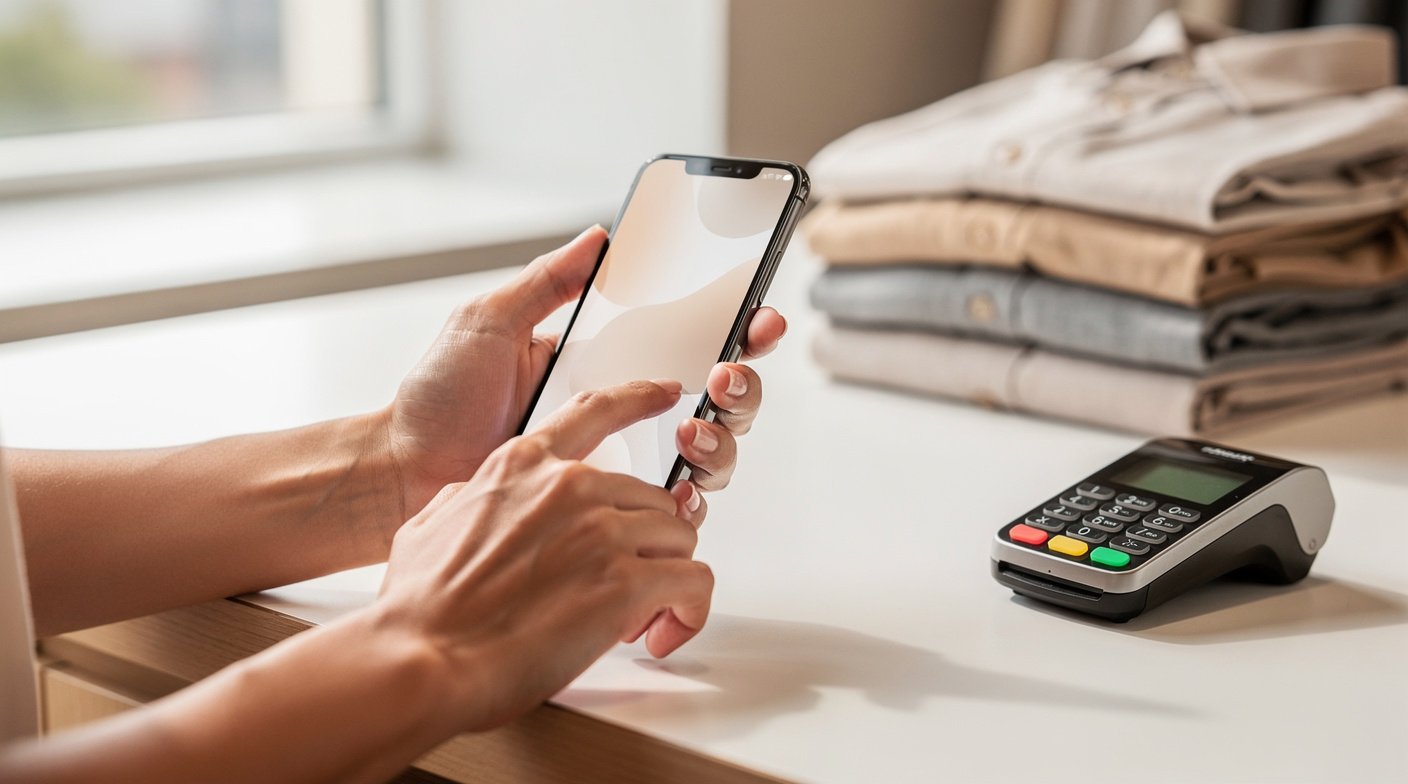
Klarna’s flexible payment options went live on J.P. Morgan Payments’ Commerce Platform on August 6, 2026, giving U.S. merchants a way to add buy now, pay later at checkout without writing a single line of integration code. The move plugs one of the world’s largest installment lenders directly into the checkout stack of one of the world’s largest payment processors, and it lands roughly three weeks after the United Kingdom began formally regulating the BNPL sector.
In short
- Klarna is now live on J.P. Morgan Payments’ Commerce Platform in the United States, confirmed on August 6, 2026.
- No integration required: merchants already on the platform can switch on Klarna at checkout without custom development work.
- Three ways to pay are offered: pay in full, interest-free installments (pay in 4), and longer-term financing.
- The deal builds on a partnership first announced in February 2025, moving it from agreement to general availability.
- It arrives amid tighter BNPL rules in the UK and continued scrutiny in the U.S., raising the stakes for how installment credit is offered at checkout.
What went live on August 6
J.P. Morgan Payments has embedded Klarna into its Commerce Platform, the bank’s unified stack for accepting and managing payments. Merchants that already process through the platform can now present Klarna as a checkout option to their shoppers. According to the companies, the setup does not demand a separate technical integration, which is the detail both sides are leaning on hardest.
David Sykes, Chief Commercial Officer at Klarna, framed the launch as a turning point for the collaboration. “Going live with J.P. Morgan Payments marks the moment this collaboration moves from ambition to impact,” he said, adding that J.P. Morgan Payments’ reach combined with Klarna’s conversion power is a competitive advantage. Michael Lozanoff, Global Head of Merchant Services at J.P. Morgan Payments, said the goal was to lower the barrier to entry: “By bringing Klarna directly onto our Commerce Platform, we’re helping remove that barrier for businesses of every size.”
Why “no integration required” is the headline for merchants
For large retailers with engineering teams, adding a BNPL provider has always been possible. For small and mid-sized merchants, the cost and complexity of a bespoke integration often kept flexible payments out of reach. That gap matters commercially. Klarna, citing consumer research, says more than one in four American shoppers are more likely to complete a purchase when flexible payment options appear at checkout. Industry data from PYMNTS Intelligence points in the same direction, with a meaningful share of merchants reporting complaints when payment flexibility is limited, though exact figures vary by study and should be read as directional.
By packaging Klarna inside an existing processing relationship, J.P. Morgan Payments is targeting exactly the merchants who wanted installment options but lacked the resources to build them. The pitch is conversion at the till without a project plan.
The Klarna options at checkout
The integration exposes Klarna’s core consumer choices. Here is how the three paths compare.
| Option | How it works | Typical use |
|---|---|---|
| Pay in full | The shopper pays the entire amount at checkout through Klarna, gaining app tracking and buyer protections without borrowing. | Customers who want Klarna’s wallet features but no credit. |
| Pay in 4 (interest-free installments) | The purchase is split into four interest-free payments spread over several weeks. | Everyday retail and smaller baskets. |
| Longer-term financing | Monthly financing over an extended period, subject to eligibility and, in some cases, interest. | Higher-value purchases such as travel, electronics, and home goods. |
Klarna’s scale and the fight for the checkout
Klarna is not a small counterparty in this arrangement. The company reports roughly 119 million active users worldwide, more than one million retailers using its solutions, and on the order of 3.4 million transactions per day. In the United States, Klarna reported first-quarter 2026 gross merchandise volume of about 7.1 billion dollars, up 39 percent year over year, and revenue of about 399 million dollars, up 67 percent, underscoring how central the U.S. market has become to its growth.
The J.P. Morgan Payments distribution deal is a direct answer to intensifying competition for the checkout button. Affirm, Afterpay (owned by Block), PayPal, and Apple all court merchants and shoppers with installment products, and card networks are layering their own pay-over-time features on top of existing rails. Winning default placement inside a major processor’s platform is one of the most durable ways to gain volume, because it reaches thousands of merchants through a single relationship rather than one integration at a time.
The regulatory backdrop retailers cannot ignore
The launch arrives as regulators sharpen their focus on BNPL. In the United Kingdom, the Financial Conduct Authority began regulating buy now, pay later credit on July 15, 2026, requiring providers to run affordability checks and give users new complaint rights, extending protections that already cover credit cards to millions of additional shoppers. In the United States, the Consumer Financial Protection Bureau has previously moved to treat certain BNPL products more like credit cards and has sought information from major providers about their practices, though the regulatory posture has shifted over time and merchants should verify current requirements in their markets.
For retailers, the practical takeaway is that offering installment credit is increasingly a regulated activity rather than a simple marketing feature. Working through an established bank and a licensed lender can simplify compliance, but it does not remove the obligation to present terms clearly and to understand the rules that apply where they sell.
What to watch next
Two near-term signals will show whether this distribution bet is paying off. First, Klarna is scheduled to publish its second-quarter 2026 results on August 18, 2026, which will offer a fresh read on U.S. momentum and take rates. Second, adoption by mid-market and smaller merchants on the Commerce Platform will indicate whether the “no integration” promise translates into real activation. If it does, expect rival processors and BNPL providers to accelerate similar embedded arrangements, pushing pay-over-time deeper into mainstream retail checkout on both desktop and mobile.
Frequently asked questions
Do merchants pay extra to add Klarna through J.P. Morgan Payments?
The companies emphasized that no separate technical integration is required for merchants already on the Commerce Platform. Commercial terms, including processing and BNPL fees, depend on individual merchant agreements, so retailers should confirm pricing with J.P. Morgan Payments directly.
Which Klarna payment methods are available?
Three options are offered at checkout: pay in full, interest-free installments known as pay in 4, and longer-term monthly financing that is subject to eligibility.
Is this available outside the United States?
This specific go-live covers U.S. merchants on the J.P. Morgan Payments Commerce Platform. Klarna operates in many markets globally, but availability and terms vary by country and are shaped by local regulation.
How does BNPL regulation affect merchants offering Klarna?
Rules differ by jurisdiction. The UK began formally regulating BNPL on July 15, 2026, and U.S. oversight has evolved through the Consumer Financial Protection Bureau. Merchants should present terms transparently and confirm the current requirements that apply in each market where they sell.