
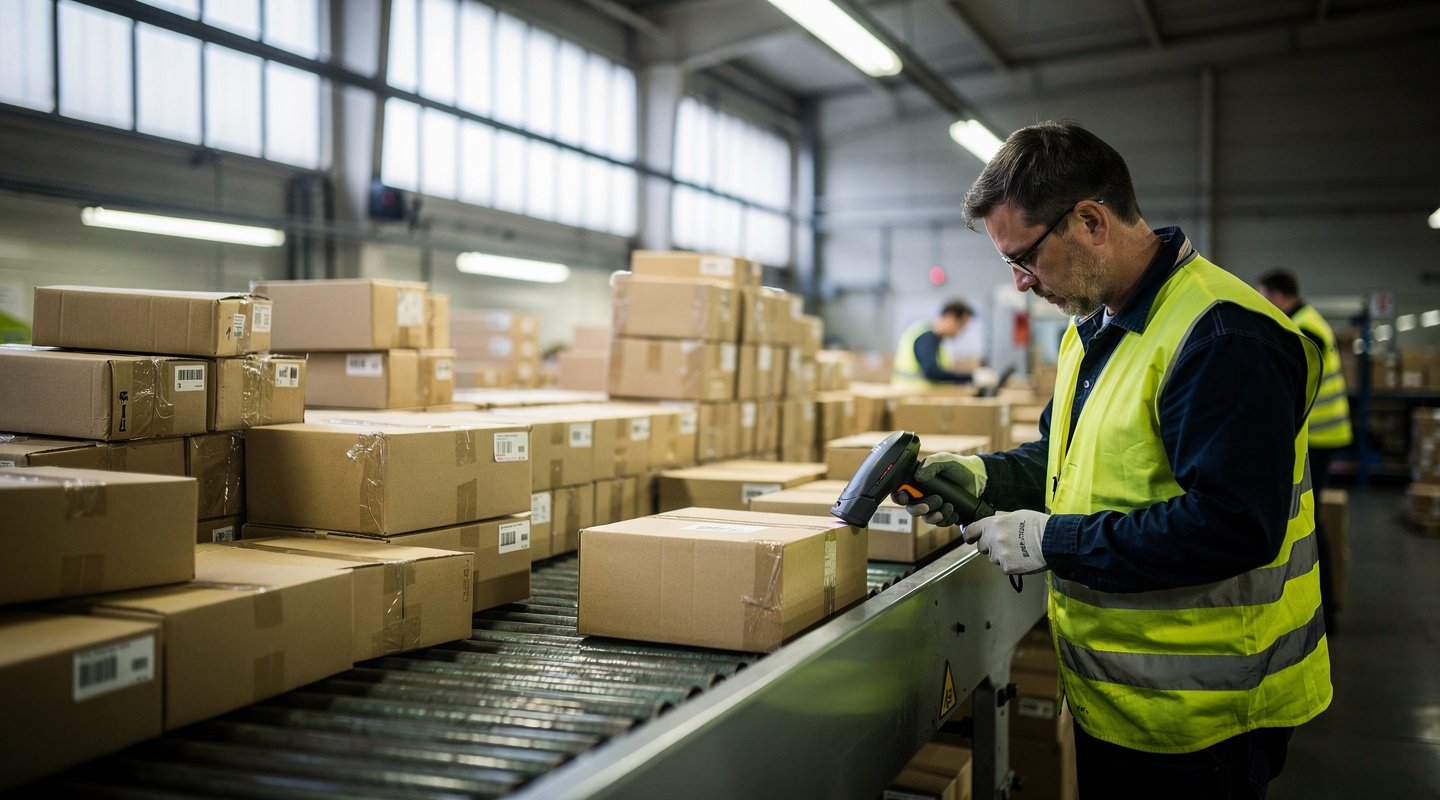
The exemption that made ultra-cheap cross-border shopping possible in Europe is gone. As of this week, every small parcel arriving in the EU from outside the bloc carries a flat customs duty, and the change lands squarely on the business model that Temu, Shein and AliExpress spent five years perfecting.
The headline number is small. The mechanics are not, and the biggest surprise is who ends up covering the bill.
What the EU parcel fee actually changed this week
The new EU parcel fee is a temporary €3 customs duty charged per item, not per parcel, on consignments worth up to €150. It replaces the old de minimis relief that let those low-value shipments enter duty free. Brussels set it to run until 1 July 2028, when normal customs duties take over.
The scale explains the urgency. Around 4.6 billion low-value parcels worth €150 or less entered the EU in 2024, roughly 12 million a day and about double the year before, according to the European Commission. Some 91% of them shipped from China.
The Commission framed it as leveling the field. “This reform ensures fairness for all businesses operating within the EU market while keeping customs procedures simple for consumers,” the responsible commissioner said, pointing to loopholes that let “unsafe and non-compliant goods” slip through (more detail sits in the European Commission’s customs guidance).
Why €3 rarely means €3
Here is the part shoppers miss. The duty attaches to each distinct product type in a package, keyed to its customs code, so a mixed basket multiplies fast.
Order a T-shirt, a phone case and a pair of sandals in one shipment and you trigger three separate codes, which means a €9 charge on a haul that might have cost €20. A €20 order can clear €30 once the duty and handling settle on top.
Put against Temu’s average order value of roughly €30, a single €3 hit already works out to about a 10% tariff. And it is not the last charge coming: the EU is separately preparing a handling fee of around €2 per item later in the year to cover the cost of processing the flood of parcels.
The friction is not only financial. Every affected parcel now moves through formal customs clearance instead of the fast de minimis lane, which is already stretching delivery times on the cheapest orders.
The two companies it targeted saw it coming
The fee was aimed at Temu and Shein. Both moved their inventory out of its reach before it landed.
Temu now runs roughly 10 self-operated EU warehouses and says it wants 80% of European orders fulfilled from stock already sitting inside the bloc. Shein opened a 740,000 square metre logistics hub near Wroclaw in Poland late last year, added a warehouse in Cannock in the English Midlands in the spring, and has committed €250 million to European logistics over five years.
Goods that ship from a warehouse in Germany or Poland never cross a customs border on the way to the customer, so the per-item duty simply does not apply. The platforms also pulled back hard on cross-border advertising: Google Shopping data shows Temu roughly halved its ad visibility this year while Shein edged toward exiting the auctions entirely, both starting as early as spring.
Analysts reckon the shift to local distribution could still shave up to 40% off the platforms’ margins, yet that is a cost they swallow once rather than a per-order tax that spooks customers at checkout.
Who is left holding the cost
With the giants largely sidestepping the duty, it falls hardest on everyone who cannot localise fast. That mostly means shoppers and smaller sellers.
- Shoppers face higher prices and, on mixed baskets, a fee that stacks per item rather than the flat €3 they expect.
- Small cross-border sellers without EU stock now pay the duty on every shipment, with none of the warehouse leverage the big platforms enjoy.
- Marketplaces carry new legal weight too: since the spring, platforms are treated as “deemed importers,” making them directly responsible for the safety and compliance of what they sell into the EU.
- European retailers, the ones who lobbied for this, get a fairer price gap but still face rivals now stocking locally on the same terms they do.
The mood has shifted with the prices. In recent surveys, 44% of online shoppers said they now avoid foreign stores, and 35% backed higher tariffs as a way to protect domestic production.
The pattern echoes the United States, where the $800 de minimis exemption was scrapped for all countries last year. Prices on Shein, Temu and AliExpress there climbed an estimated 20% to 40%, US shoppers absorbed it on everyday items from phone chargers to fast fashion, and Temu’s US traffic fell by more than a quarter before it began rebuilding around domestic sellers.
What to watch next
The €3 duty is a stopgap. The real reset arrives in 2028, when the EU switches on a central customs data hub, scraps the €150 threshold altogether and applies standard duties to everything.
For now the lesson is blunt. A fee written to slow the cheap-parcel giants has mostly rearranged where their boxes sit, while the cost of the crackdown shows up in the one place regulators did not aim it: the checkout screen. If you shop cross-border, split baskets and local stock are about to matter more than the sticker price. Retailers who have watched these platforms undercut them for years will find the fuller story of that local pivot worth a closer read on how Temu and Shein went local.