
Online shopping carried UK retail to its best month in almost two years in October. BDO’s High Street Sales Tracker, published on Friday 30 October, shows like-for-like sales across fashion, lifestyle and homewares rose 4.6% on October 2025. That is the strongest growth BDO has recorded since January 2025, and it follows the weakest September in seven years.
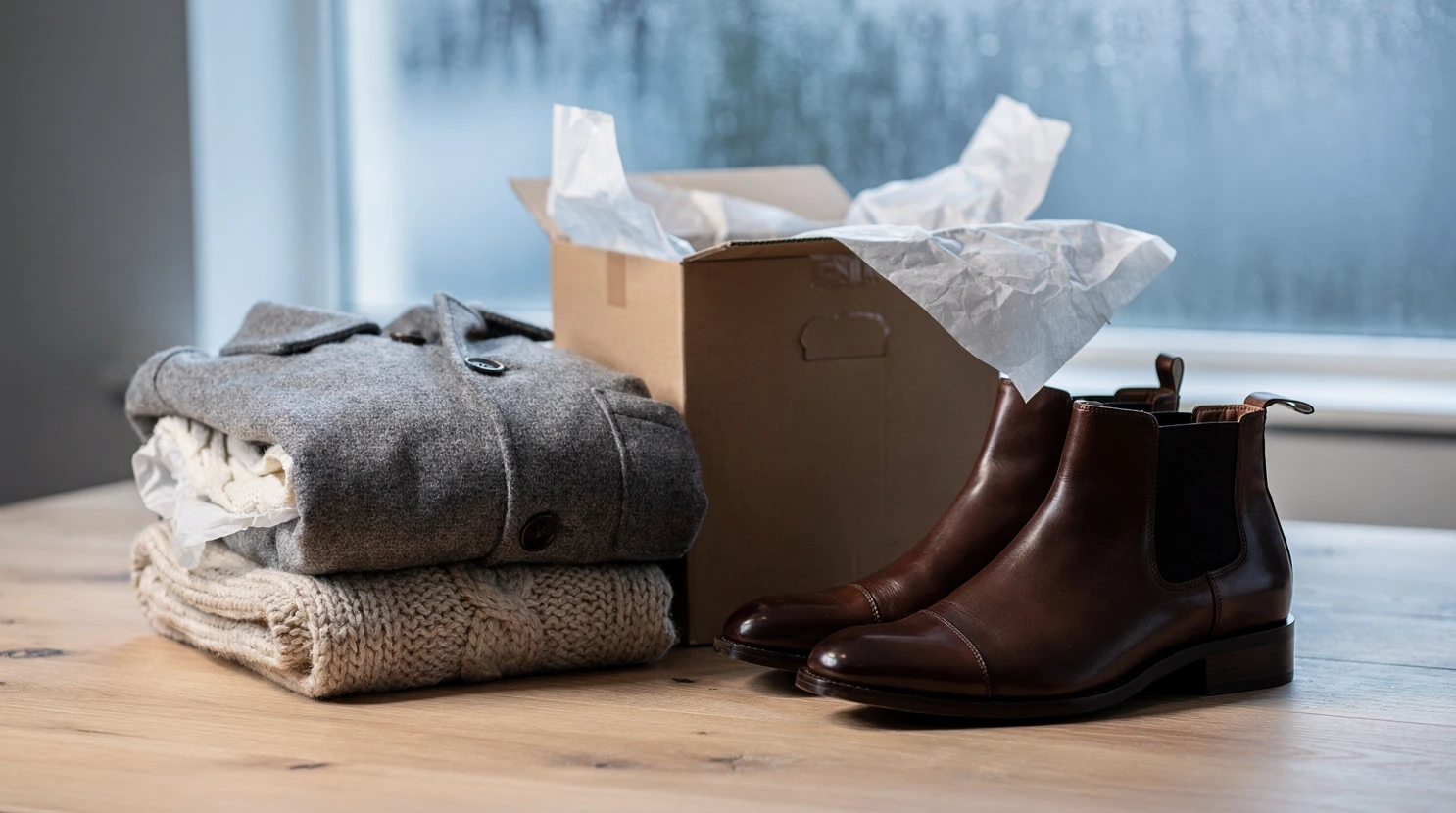
The headline hides a sharp split. According to the figures reported by InternetRetailing and FashionNetwork, online sales jumped 10.1% while sales in physical shops rose just 2.2%, below the rate of inflation. In fashion the gap was even wider: online clothing sales grew 9.0% against 2.1% in stores. BDO’s own explanation is simple: the weather finally turned cold, and shoppers went online to buy the coats, knitwear and boots they had put off during a warm September.
This article explains what the October figures show, why online pulled so far ahead of the high street, how the data fits with the official ONS numbers and the Budget, and what it means for UK shoppers, online retailers and marketplace sellers heading into Black Friday on 27 November and the Christmas peak.
In short
- Like-for-like sales up 4.6%: BDO’s tracker of fashion, lifestyle and homewares sales grew 4.6% year on year in October 2026, the best result since January 2025.
- Online up 10.1%, shops up 2.2%: online sales grew more than four times as fast as in-store sales, which stayed below inflation.
- Fashion split: online fashion grew 9.0% while in-store fashion managed only 2.1%, as colder weather sent shoppers looking for winter clothes.
- A rebound, not a recovery: September’s total fell 0.3% and online fell 1.1%, so part of October’s jump is delayed autumn spending arriving a month late.
- BDO urges caution: head of retail Sophie Michael warned against reading too much into one month, saying shoppers remain “cautious and highly price-sensitive” before Black Friday.
What did the BDO High Street Sales Tracker show for October 2026?
BDO, the accountancy and advisory firm, publishes its High Street Sales Tracker every month. It measures like-for-like sales in discretionary, non-food categories (fashion, lifestyle and homewares), which strips out the effect of new store openings and closures. It splits the result between in-store and non-store sales, the latter being mostly online. Because it covers what households choose to buy rather than essentials such as food and fuel, it is one of the earliest readings of how confident shoppers really feel.
For October 2026, the tracker shows total like-for-like sales up 4.6% on October 2025. InternetRetailing reported that this is “the strongest retail growth BDO has recorded since January 2025”. FashionNetwork added that it is only the third month in 2026 in which retail sales growth has beaten inflation, which BDO said indicates “a welcome increase in sales volumes”.
The growth came overwhelmingly from the internet. Online sales rose 10.1%, while sales in physical shops increased 2.2%. That in-store figure is below the 3.5% rate of consumer price inflation recorded for September, which means that, in real terms, the volume of goods sold across the till in shops was probably flat or slightly down.
The October numbers at a glance
| Measure (BDO High Street Sales Tracker) | October 2026, year on year | What it means |
|---|---|---|
| Total like-for-like sales (fashion, lifestyle, homewares) | +4.6% | Best month since January 2025; ahead of 3.5% CPI |
| Non-store (mostly online) sales | +10.1% | Main driver of growth |
| In-store sales | +2.2% | Below inflation; flat or falling in real terms |
| Online fashion sales | +9.0% | Winter clothing bought online as temperatures fell |
| In-store fashion sales | +2.1% | Shoppers did not return to clothing shops in force |
Sources: BDO High Street Sales Tracker, October 2026, as reported by InternetRetailing and FashionNetwork. Lifestyle and homewares category splits were not published in the reports we reviewed.
Why did online sales grow four times faster than high street shops?
The gap between 10.1% online growth and 2.2% in-store growth is the most striking part of the October report. BDO points to three overlapping causes: a late change in the weather, heavy promotional activity, and a backlog of spending left over from September. None of them on its own explains the whole gap, but together they paint a clear picture of how British shoppers behaved.
Colder weather sent shoppers online for winter clothes
“This was likely driven by consumers purchasing winter clothing after temperatures dropped in October following several months of warm weather,” BDO said, according to FashionNetwork. September had been unseasonably warm, and autumn and winter ranges sat unsold. When temperatures finally fell, households that needed a coat or boots quickly did what they increasingly do: they ordered online.
The pattern makes sense. A shopper who suddenly needs a warm coat this week is likely to compare prices on a phone, order from a retailer with next-day delivery and return what does not fit. Online fashion’s 9.0% growth against 2.1% in stores suggests many did exactly that, rather than making a trip into town.
Promotions pulled spending forward
Sophie Michael, head of retail and wholesale at BDO, said: “Colder weather is likely to have prompted shoppers to update their winter wardrobes while promotions activity is likely to have stimulated spending.” Discounting in October was unusually early this year. Several large retailers, including Currys, AO.com and Boots, started early Black Friday sales on 28 October, as we reported when Black Friday 2026 sales started early.
Online retailers can switch on promotions instantly and target them by email and app notifications, which gives the internet channel a natural advantage when discounting drives demand. A shop can put up a sale sign, but it still needs the customer to walk through the door.
A catch-up after September’s slump
InternetRetailing reported that Michael warned the uptick could be down to consumers “playing catch-up after the heatwave”. The publication noted that back-to-school and autumn wardrobe spending, which normally lands in September, appears to have “largely happened a month later this year”. In other words, some of October’s growth is September’s missing spending arriving late.
That matters for anyone reading the figures as a turning point. If October simply recovered sales that would normally have been booked in September, the two months together look far less impressive than October alone.
How does October compare with the rest of 2026?
The trend in UK discretionary spending has been unusually choppy this year. FashionNetwork summed it up: the trend is “proving increasingly hard to read with strong monthly variations and only the fact that consumers remain under pressure being the thread running throughout”. The table below sets out the last three months of BDO data as reported.
| Month (2026) | Total like-for-like sales | Online (non-store) | Context |
|---|---|---|---|
| August | +2.2% | +2.3% | Heatwaves held back autumn spending; stores +3.6% |
| September | -0.3% | -1.1% (vs +3.1% in September 2025) | Stores +0.7%; fashion -0.7%, homewares -7.8% |
| October | +4.6% | +10.1% | Strongest month since January 2025 |
Sources: BDO High Street Sales Tracker monthly reports for August and September 2026; October figures as reported by FashionNetwork and InternetRetailing.
September’s fall of 0.3% was the weakest September result since 2019, according to InternetRetailing. Online sales fell 1.1% that month, against growth of 3.1% in September 2025. Because each month is compared with the same month a year earlier, September’s weakness does not mechanically inflate October’s figure; what the swing does show is spending moving from one month into the next.
Averaging the two months gives a fairer picture. A simple average of September and October gives growth of a little over 2% a year, which is below inflation. That is consistent with BDO’s warning that “underlying trading conditions remain difficult”, even after the best single month in nearly two years.
Does the BDO figure match the official ONS retail sales data?
The BDO tracker is a private survey, and the official measure of UK shopping is the Office for National Statistics retail sales release. The two do not measure the same thing, so they will not always agree. BDO tracks like-for-like value sales in non-food categories from participating retailers; the ONS measures the volume and value of all retail sales in Great Britain, including food and fuel.
The most recent ONS figures, for September, told a similar story to BDO’s September result. As we reported when UK retail sales fell 0.4% in September, non-store retailing (mostly online) dropped 2.2% by volume, the steepest fall in the sector. Online clothing retailers told the ONS that their autumn and winter ranges did not sell because the month was unseasonably warm.
Online’s share of spending sits just under 29%
The ONS also publishes the proportion of all retail spending made online. In September 2026 it slipped to 28.8% from 28.9% in August, while online spending in cash terms was still 6.8% higher than a year earlier. More than £1 in every £4 spent at retail in Great Britain goes through a website or an app.
If BDO’s October pattern is repeated in the official data, the ONS online share should rise when the October retail sales figures are published on 20 November. A 10.1% jump in online discretionary sales, against 2.2% in shops, would push the internet’s share of non-food spending higher, especially in clothing.
| Data source | What it measures | Latest reading | Online signal |
|---|---|---|---|
| BDO High Street Sales Tracker | Like-for-like value sales, fashion, lifestyle and homewares | October 2026: +4.6% | Online +10.1%, stores +2.2% |
| ONS retail sales | Volume and value of all GB retail sales | September 2026: -0.4% volume, month on month | Non-store volume -2.2%; online share 28.8% |
| BRC-NIQ Shop Price Monitor | Prices in shops | October 2026: shop price inflation 2.1% | Non-food prices +1.7% |
| GfK consumer confidence | Household sentiment | October 2026: -24 (down 11 points) | Major purchase index -22 |
Sources: BDO via InternetRetailing and FashionNetwork; ONS, GfK and BRC-NIQ figures as previously reported by shopappy.com from the Guardian and BRC releases.
How reliable is a single month of retail data?
BDO itself counselled caution. “Retailers should be cautious about reading too much into a single month’s performance,” Michael said, according to InternetRetailing. That advice applies to shoppers and investors too.
Monthly retail data is volatile for several reasons. The weather can move sales by several percentage points either way, as September and October showed. The timing of promotions and school holidays shifts year to year. And like-for-like measures depend on which retailers take part, so a private tracker can diverge from the official numbers.
The more reliable signal is the combination of data sources. The BDO tracker, the ONS retail sales figures, the BRC shop price data and the GfK confidence index broadly point the same way this autumn: essentials hold up, discretionary spending is fragile, and online is gaining share whenever shoppers do decide to spend. October’s report strengthens the last point more than any other.
The next checks come in November, when the ONS publishes its October retail sales figures on Friday 20 November, a week before Black Friday, and the BRC releases its own sales monitor for October. If both show a similar online surge, October will look like a genuine shift; if not, it will be remembered as a weather-driven bounce.
Is October’s growth real, or just higher prices?
Like-for-like sales figures measure money through the till, not the number of items sold. When prices rise, sales values rise even if shoppers buy the same amount. That is why BDO compares its results with inflation, and why the in-store and online figures need to be read differently.
Consumer price inflation was 3.5% in September 2026. Total sales growth of 4.6% in October beat that, which suggests a real increase in the volume of goods sold. Online growth of 10.1% is comfortably ahead of inflation by any measure. In-store growth of 2.2% is not: after allowing for price rises, shops sold slightly less than a year earlier.
Shop prices are rising again
Prices on the shop floor are also moving up. The British Retail Consortium’s shop price monitor showed inflation of 2.1% in October, up from 1.4% in September and the highest reading in two and a half years, as we reported when UK shop price inflation hit 2.1%. Non-food shop prices rose 1.7%, up from 0.8%, with furniture, flooring and DIY among the categories driving the increase.
Non-food price inflation of 1.7% is well below BDO’s 4.6% sales growth, which supports the view that October included genuine extra buying rather than just higher price tags. It is also a reminder that the timing of discounting matters: if retailers cut prices deeply for Black Friday, sales values can rise while margins fall.
Michael was clear about the risk. FashionNetwork reported her saying the challenge for the sector is turning October’s encouraging performance into sustained demand, and InternetRetailing quoted the warning that this must happen “without sacrificing profitability through ever-deeper discounting”.
What did the Budget change for shoppers and retailers?
The October figures cover the month that ended with the Chancellor John Healey’s first Budget on Wednesday 28 October. Survey after survey in October showed consumers saying they were cautious about what the Budget might bring, FashionNetwork noted, so the strength of spending surprised some in the industry.
BDO does not expect the Budget to change that caution. “Many were hoping that the Chancellor’s Budget would provide measures to stimulate growth and support consumer spending,” Michael said, according to FashionNetwork. “While the decision to freeze business rates for two years offers some reassurance to those who won’t benefit from the full rates relief, there was little to suggest a significant boost to household spending power will appear in the months ahead.”
Business rates relief for small shops
The rates measures were the main Budget announcement for the high street. Small business rate relief thresholds for retail, hospitality and leisure properties in England will rise to £18,000 for full relief from April 2027, and a real-terms freeze applies to many other shops, as set out in our report on how the Budget lifts rates relief to £18,000. That helps independent shops on cost, but it does nothing directly for the shopper’s wallet.
The Budget also confirmed that online marketplaces will be made to collect VAT on UK sellers from October 2027, and trebled the trading allowance for people selling on platforms such as Vinted and eBay to £3,000 from April 2027. Both matter for online retail, but neither takes effect before this Christmas.
What does October mean for online fashion retailers and marketplace sellers?
For businesses selling clothing online, October offers a mixed message. Demand clearly exists: when the weather turned, shoppers bought. But the 9.0% online fashion growth came after a weak September, and much of it may simply be stock that should have sold a month earlier finally clearing.
Online fashion retailers had been warning about weak clothing demand all autumn. The Very Group, one of Britain’s largest online-only retailers, reported in October that fashion and sports sales fell 4.6% in its year to June, while home grew 6.4%. Sainsbury’s said general merchandise and clothing sales fell 3.4% in the six months to mid-September, with shoppers cutting back on clothing and big-ticket items at Argos.
Winners: retailers with strong delivery and returns
When a sudden cold snap drives demand, speed matters. Retailers that can deliver a coat the next day, and make returns easy, are best placed to capture the “I need it now” shopper. That favours large online players and multichannel chains with click-and-collect, over smaller independents that rely on footfall.
For marketplace sellers on Amazon UK, eBay, Etsy and Vinted, October’s data is a useful signal for stock planning. Winter clothing and accessories that sat unsold in September appear to be moving now, and the second-hand market tends to benefit when shoppers are price-sensitive. Sellers who hold winter stock should expect demand to stay seasonal rather than build steadily, with the next spike tied to promotions around Black Friday.
The high street’s problem is footfall, not demand
The weak in-store figure is the more worrying part of the report for town centres. Sales in shops rose 2.2%, below inflation, in the same month that online grew 10.1%. Shoppers wanted winter clothes; they simply chose not to go into shops to buy them.
That is consistent with pressure on physical retail elsewhere. Poundland filed a notice of intention to appoint administrators on 29 October, putting around 600 shops and 12,000 jobs at risk. While Poundland’s problems are specific to its ownership and finances, the BDO figures show how hard it is for store-based retailers to grow even in a good month.
What does October mean for Black Friday and Christmas 2026?
October is the first month of what retailers call the “golden quarter”, the run from October to December that can account for a large share of annual profits. FashionNetwork noted that the result provided a boost as retailers ended the first month of the crucial festive trading period. The question is whether it continues.
There are reasons for caution. GfK’s consumer confidence index fell 11 points to -24 in October, its sharpest monthly fall outside the pandemic since the 2016 EU referendum, and the major purchase index dropped 14 points to -22. Shopify has said it expects UK shoppers to plan around £165 of Black Friday weekend spending, down from £181 last year.
Key dates for shoppers before Christmas
| Date | Event | Why it matters |
|---|---|---|
| Friday 27 November 2026 | Black Friday | Biggest single online discount day of the year |
| Monday 30 November 2026 | Cyber Monday | Online-focused deals; electricals and fashion |
| Friday 4 December 2026 | End of Very’s Black Friday price promise window | Last day to claim a refund of the difference on eligible deals |
| Friday 20 November 2026 | ONS retail sales for October | Official check on BDO’s online surge |
Sources: retailer announcements; Very Black Friday Price Promise terms as reported by Retail Week and Retail Times.
Retailers are already competing hard on price guarantees. Very has promised to refund the difference if it cuts the price of an eligible Black Friday deal again before 4 December, and Currys runs its own price guarantee. For online shoppers, the bigger practical deadline is delivery: the Royal Mail has published its Christmas 2026 last posting dates, and retailers set their own cut-offs based on carrier capacity.
Michael’s verdict sums up the industry mood: “Consumer confidence remains fragile and many retailers are working hard to convert the shopper’s interest into spending.” Her conclusion was that “retailers are having to work harder than ever to win every pound of discretionary spend”.
What should UK shoppers do with this information?
Sales data rarely changes what a household should buy, but October’s report does say something useful about the weeks ahead. Retailers are under pressure to keep the momentum going, which means more promotions, earlier deals and stronger price guarantees. That is good for shoppers who plan, and less good for those who buy in a hurry.
- Check price history before you buy. With discounting starting in October, a “Black Friday” price may be no lower than an earlier deal. Price-tracking tools and retailer price promises help.
- Know your returns rights. Under the Consumer Contracts Regulations, most goods bought online can be cancelled within 14 days of delivery, with a further 14 days to send them back. Retailers’ own Christmas returns windows are often longer.
- Buy winter essentials when you need them, not when the sale says. October’s surge shows demand follows the weather. If a coat is needed now, waiting four weeks for a possible discount may not be worth it.
- Watch delivery cut-offs. Online retailers set last order dates for Christmas delivery that are often earlier than carrier deadlines, so check each retailer’s page in early December.
- Use local shops for last-minute buying. The in-store figures show the high street is quieter than online, which can mean better availability and help in person when online stock runs short.
For small retailers, the lesson is similar. A visible online presence, even a simple one with click-and-collect, gives a shop a share of the demand that shifts online when the weather turns. The BDO report suggests the shoppers are still there; they are just starting their search on a phone.
Frequently asked questions
What is the BDO High Street Sales Tracker?
It is a monthly survey published by the accountancy firm BDO that measures like-for-like sales in discretionary non-food categories (fashion, lifestyle and homewares), split between in-store and online sales. It is one of the earliest monthly readings of UK non-essential spending.
How much did UK online sales grow in October 2026?
According to BDO’s tracker, as reported by InternetRetailing and FashionNetwork, online (non-store) sales rose 10.1% year on year in October 2026, compared with 2.2% growth for sales in physical shops.
Why did online sales jump in October?
BDO said colder weather prompted shoppers to buy winter clothing after several months of warm weather, while promotions also stimulated spending. Part of the rise was catch-up spending delayed from a weak September.
Was October 2026 a good month for UK retail?
On the headline figure, yes: like-for-like sales rose 4.6%, the strongest growth BDO has recorded since January 2025. However, in-store sales grew more slowly than inflation, and BDO warned against reading too much into a single month.
How did fashion sales do in October 2026?
Online fashion sales grew 9.0% and in-store fashion sales grew 2.1%, according to the BDO figures, as shoppers bought coats, knitwear and other winter clothing once temperatures dropped.
How does this compare with September 2026?
On BDO’s measure, total like-for-like sales fell 0.3% in September and online sales fell 1.1%, a result FashionNetwork described as the weakest reading in seven years. The official ONS figures also showed online sales volumes falling 2.2% in September.
Did the Budget boost shopping?
BDO does not expect it to. Sophie Michael said the two-year business rates freeze offers some reassurance to retailers, but there was little in the Budget to suggest a significant boost to household spending power in the months ahead.
What does October’s data mean for Black Friday 2026?
It shows shoppers will spend when they have a reason to, and that online is where most of that spending goes. With consumer confidence weak, retailers are expected to rely heavily on promotions and price guarantees in the run-up to Black Friday on 27 November.
When is the next official UK retail sales data?
The ONS is due to publish retail sales for October 2026 on Friday 20 November. It will show whether the online surge in BDO’s tracker is reflected in the official measure of internet sales and its share of all retail spending.