
Luxury and premium retail spent the past decade looking like the safest corner of the industry. Strong brands, loyal buyers, and pricing power that the mass market could only envy. In 2026 that picture has become more complicated, and the retail teams who treat premium as a set-and-forget category are the ones getting caught out.
This guide breaks down the luxury and premium changes 2026 that actually matter for operators: the shift in who is buying, how price increases stopped working the way they used to, and where the growth has quietly moved. It is written for merchandisers, e-commerce managers, and brand teams who need practical signal, not a runway recap.
In short
- Aspirational buyers pulled back. The entry-level luxury shopper, who powered a decade of volume, traded down hard in 2024 and 2025, and that gap has not closed in 2026.
- Price hikes hit a ceiling. Annual double-digit price increases stopped lifting revenue and started shrinking unit volume, forcing a rethink of the value equation.
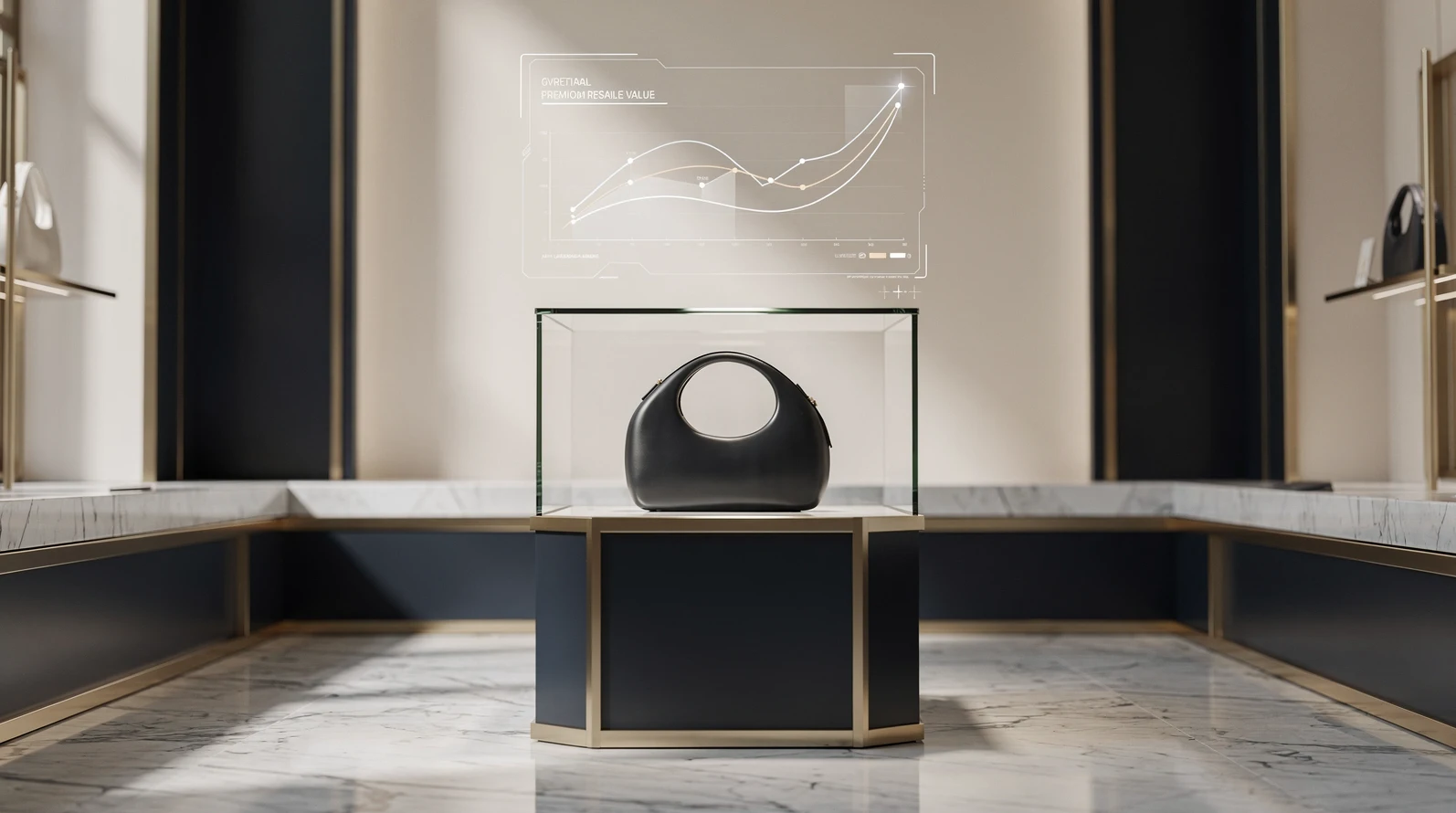
- Resale went mainstream. Pre-owned and rental are now a primary channel for premium goods, not a threat to be ignored, and they reshape how new pricing is judged.
- Experience and access beat ownership. Premium increasingly means service, membership, and curation, with the physical store working as a brand stage rather than a warehouse.
- Discovery moved to AI answers. A growing share of premium research starts inside chat assistants, so visibility now depends on structured content as much as on glossy campaigns.
Why this topic matters in 2026
For years the premium segment grew on a simple loop: raise prices a little every season, add a few aspirational entry products, and let brand heat do the rest. That loop has broken. The aspirational middle of the market, shoppers who stretched for one bag or one watch a year, cut back sharply when household budgets tightened, and they have not fully returned.
The result is a barbell. True high-net-worth demand stayed resilient, while the mass-affluent layer that brands relied on for volume became cautious and value-driven. Understanding that split sits at the center of wider consumer behavior in retail and e-commerce, because the same caution shows up in grocery trade-downs and slower discretionary spend across the board.
That matters for any retail team carrying premium lines, even ones that do not consider themselves luxury players. Department stores, multi-brand e-commerce, and marketplaces all merchandise premium tiers, and the rules for those tiers changed faster than the playbooks did. Getting this wrong means dead inventory at full price and missed margin at the same time.
The macro backdrop in plain terms
Personal luxury goods stopped growing at the double-digit pace of the early 2020s and settled into a low-growth, in some categories flat, phase. Currency swings, softer demand from key Asian markets, and a more discerning US consumer all played a part. None of these is a one-quarter blip, which is why teams are treating 2026 as a structural reset rather than a soft patch.
The deeper point is that the premium customer base did not shrink so much as split. The people who can comfortably afford luxury kept spending, while the much larger group who occasionally stretched into it became far more deliberate. A category that once grew by widening the funnel now has to grow by going deeper with the buyers it already has.
How the premium customer base split apart
Treating premium shoppers as one audience is the fastest route to a wrong forecast in 2026. The base has fractured along income, age, and geography, and each fracture pulls strategy in a different direction. The teams reading this well are segmenting before they merchandise.
High-net-worth versus aspirational
The top of the pyramid behaved like it always does in choppy markets, with steady demand for the scarcest and most iconic products. The aspirational layer beneath it did the opposite, postponing purchases or shifting to pre-owned. That divergence means a single pricing and assortment plan can no longer serve both groups, and brands are increasingly building distinct journeys for each.
The generational shift
Younger premium buyers brought new defaults with them. They are comfortable buying and selling secondhand, they research inside social and AI tools before a store ever enters the picture, and they reward brands that feel transparent over those that feel exclusive for its own sake. That changes the kind of proof a brand needs to offer, from glossy imagery to credible substance.
Regional and channel divergence
Demand did not move uniformly across markets. Softness in some Asian markets was partly offset by resilient US and travel-retail demand, with currency adding noise on top. For US-focused teams the practical takeaway is to plan against domestic and tourist demand separately, because the two respond to very different triggers.
Channel shifts: where premium sells now
The mix of where premium goods sell has tilted, and the tilt matters more than the headline category numbers. Owned channels, resale, and experiential formats all gained ground at the expense of undifferentiated wholesale. Understanding the new channel map keeps a brand from over-investing in formats that quietly lost their pull.
Direct-to-consumer and branded stores grew in importance because they protect both margin and the customer relationship. Wholesale through crowded multi-brand floors lost relative weight, since it offers less control over how a product is presented and priced. The store that survives best is the one doing a job that a website cannot, namely service, fitting, and a sense of occasion.
Resale is the channel that changed the math everywhere else. Once a premium product has a liquid secondhand market, its new-goods price is judged against that reference in real time. Brands that engage with resale, rather than pretend it does not exist, get to shape that reference instead of being dictated to by it.
Key terms and definitions
Premium retail carries a lot of loose vocabulary, and teams that share a precise definition argue less and execute faster. The table below sets the working definitions used through the rest of this guide.
| Term | Working definition | Why it matters in 2026 |
|---|---|---|
| Luxury | Goods sold primarily on brand heritage, scarcity, and status, with price detached from production cost. | Scarcity logic now collides with resale transparency that exposes true demand. |
| Premium | Higher-quality goods sold at a clear markup over mass equivalents, justified by materials or performance. | This tier is most exposed to trade-down because the value gap is easy to question. |
| Aspirational buyer | A mass-affluent shopper who buys luxury occasionally as a stretch purchase. | The segment that pulled back hardest, and the swing factor for volume. |
| Quiet luxury | Understated, logo-light products that signal taste rather than spend. | Shifts margin toward materials and craft over visible branding. |
| Recommerce | Structured resale of pre-owned goods through branded or third-party channels. | Now a pricing reference point that new-goods strategy cannot ignore. |
| Clienteling | One-to-one selling using customer history, preferences, and direct contact. | The main lever for protecting high-value relationships as foot traffic softens. |
Keep these distinct. Conflating premium with luxury is the most common framing error, and it leads teams to copy scarcity tactics in categories where shoppers will simply buy the cheaper substitute.
What actually changed: the forces reshaping premium
Five forces did most of the work in 2026, and they reinforce each other. Read them as a system, not a checklist, because a move on price ripples straight into resale value and brand perception.
1. The aspirational buyer traded down
The mass-affluent shopper became selective. Instead of one stretch purchase a season, that buyer now waits, buys pre-owned, or moves spending into experiences. Brands that built volume on entry products felt this first, and many quietly thinned out their cheapest lines to protect positioning.
2. Price increases stopped paying
The reflex to raise prices every year finally met its limit. When entry products crossed psychological thresholds, unit volumes fell faster than price gains could offset. Several houses paused or trimmed increases in 2026, a notable reversal after years of aggressive repricing.
3. Resale rewired the value math
Shoppers now check resale value before buying new. A handbag with strong pre-owned demand reads as a sounder purchase than one that loses half its value at the door. That transparency rewards genuine scarcity and punishes products that flooded the market, and it makes the secondhand channel a strategic input rather than a leak.
4. Experience overtook ownership for many buyers
Premium spending shifted toward travel, dining, wellness, and membership. For goods brands the response was to wrap products in service: private appointments, events, and access tiers. The flagship store became a stage for this, which is why location and format decisions carry so much weight. The way luxury brands choose flagship store cities now reflects audience and storytelling more than raw footfall.
5. Discovery moved into AI assistants
A meaningful share of premium research now begins inside chat assistants and AI search, where shoppers ask for comparisons and recommendations in plain language. Brands that publish clear, structured, factual content get cited in those answers, while image-only campaigns go unseen. This is exactly why teams are studying AIO for retailers and why it now matters more than SEO alone.
How premium pricing and positioning work now in practice
The old model set a price, raised it on a schedule, and managed scarcity through supply. The 2026 model treats price as one signal inside a wider value system that includes resale, service, and proof of authenticity. Teams that internalize this stop defending list price in isolation.
In practice that means pricing decisions are stress-tested against the resale curve. If a product loses value fast in pre-owned channels, that is a demand warning the front end should heed before the next buy. Strong residual value, by contrast, justifies holding or nudging price, and it gives sales associates a concrete story to tell.
It also changes how teams think about the entry tier. A cheap product that pulls a new buyer into the brand can be worth keeping, but only if it does not flood resale and drag down perception of the icons above it. The discipline is to use entry products as a doorway, not as a volume crutch, and to watch the secondhand market for signs that the doorway has become a discount aisle.
The value equation buyers run
Premium shoppers in 2026 weigh four things before committing: craft and materials, residual or resale value, the service and access attached to the purchase, and how the brand makes them feel in public. A weak score on any one can sink the sale, which is why thin discounting rarely rescues a product that fails on craft or residual value.
Scarcity has to be real
Manufactured scarcity is easy to expose now. When resale supply is high and discounting leaks through outlets and gray markets, shoppers notice, and the scarcity premium evaporates. The brands holding price best are the ones whose limited supply is genuinely limited, supported by the kind of numbers laid out in the 2026 luxury retail forecast in plain numbers.
Common mistakes and how to avoid them
Most premium missteps in 2026 come from running a 2019 playbook in a changed market. The patterns below show up again and again in merchandising reviews.
| Mistake | What goes wrong | Better move |
|---|---|---|
| Annual price hikes on autopilot | Entry buyers cross a threshold and walk, cutting volume more than price gains add. | Tie price moves to resale value and unit elasticity, not the calendar. |
| Ignoring the resale channel | Pre-owned supply quietly sets the real market price and undercuts new goods. | Track resale curves and, where possible, run a branded recommerce program. |
| Over-distributing entry products | Ubiquity erodes the scarcity that justified the premium in the first place. | Cap distribution and protect the heat of hero products. |
| Discounting to hit volume | Markdowns train premium buyers to wait and damage brand equity. | Use access, bundles, and service instead of headline price cuts. |
| Invisible to AI search | Image-led campaigns never surface in assistant answers where research starts. | Publish structured, factual content that AI tools can read and cite. |
| Treating premium like mass | Volume tactics commoditize the very products buyers pay extra to feel special about. | Merchandise scarcity and story, not just stock depth. |
The throughline is discipline. Premium positioning is a system of consistent signals, and each shortcut that chases short-term volume taxes the long-term price the brand can command.
It helps to remember that most of these mistakes are comfortable. Raising prices on schedule, chasing distribution, and clearing stock with markdowns all feel like progress in the moment. The 2026 market punishes that comfort, because every one of those moves leaves a trace in resale data and brand perception that buyers can now read for themselves.
Examples from US retail and e-commerce
The shift is easiest to see in real results rather than theory. US operators across jewelry, department stores, and rental have all had to adjust to the same forces, with mixed outcomes.
Jewelry holds firm on genuine value
Hard luxury such as fine jewelry held up better than soft categories, because materials carry intrinsic value and resale logic is well understood. That resilience showed in stronger guidance from large US jewelers, where a focus on bridal and high-margin proprietary lines outperformed fashion-led peers. The recent Q1 beat from Signet Jewelers is a clean example of a premium operator leaning into durable demand rather than chasing volume.
Department stores lean on premium halls
US department stores found that their premium and beauty halls carried disproportionate weight, while mid-tier apparel lagged. The lesson was to give space and service to the categories where buyers still pay up, and to use clienteling to protect those relationships rather than blanket promotions.
Rental and resale moved from fringe to core
Rental and resale platforms turned in some of the segment’s stronger growth, confirming that access can substitute for ownership at the premium tier. For brands, the read is that a presence in these channels is now table stakes, both to capture demand and to keep some control of how their products are priced secondhand.
Beauty and fragrance as an entry point
Premium beauty and fragrance kept doing what they have always done in cautious markets, acting as an affordable way to buy into a luxury brand. When a handbag feels out of reach, a lipstick or scent still carries the badge at a fraction of the price. Smart operators used that bridge deliberately, treating beauty as the first step in a relationship rather than a standalone transaction.
The common thread across all three examples is that durable demand rewarded honesty. Brands that leaned into real value, whether intrinsic materials, genuine access, or an affordable but authentic entry point, held up better than those that relied on price increases and manufactured scarcity. That is the practical shape of the luxury and premium changes 2026 has forced onto the industry.
Tools, partners and vendors worth knowing
The 2026 premium stack is less about a single platform and more about stitching together pricing intelligence, resale, authentication, and clienteling. The table maps the categories worth having on the radar.
| Capability | What it does | Why premium teams need it now |
|---|---|---|
| Resale intelligence | Tracks pre-owned pricing and demand by model and condition. | Sets a reality check on new-goods pricing and buy depth. |
| Branded recommerce | Runs trade-in and certified pre-owned programs in brand control. | Captures resale margin and protects how products are repriced. |
| Digital authentication | Verifies provenance via digital product passports and tags. | Underpins trust in resale and counters counterfeits. |
| Clienteling platforms | Gives associates customer history and direct outreach tools. | Protects high-value relationships as foot traffic softens. |
| AI content and search | Structures product and editorial content for assistant answers. | Wins visibility where premium discovery now begins. |
| Membership and access | Manages tiers, events, and private appointments. | Turns experience into a repeatable, ownable premium offer. |
None of these is a silver bullet. The value comes from connecting them, so that what the resale data shows feeds the buy, the authentication supports the recommerce program, and the content keeps the brand visible at the start of the journey.
Measuring whether your premium strategy is working
The changes above are only useful if a team can tell whether its response is landing. The metrics that mattered in the volume era, like raw sell-through and year-over-year price gains, can hide trouble in 2026. A sharper set of measures keeps the focus on durable demand rather than borrowed growth.
| Metric | What it tells you | Healthy signal in 2026 |
|---|---|---|
| Full-price sell-through | How much sells without markdown pressure. | Holding or rising, with markdowns staying contained. |
| Resale value retention | How well hero products hold value secondhand. | Stable or improving residual value on key lines. |
| Repeat and clienteled revenue | Share of sales from known, returning buyers. | A rising share carried by direct relationships. |
| Entry versus icon mix | Balance of cheap entry products against signature pieces. | Healthy demand for icons, not reliance on entry volume. |
| AI and search visibility | Whether the brand surfaces in assistant answers. | Consistent presence in relevant premium queries. |
Read these together rather than in isolation. A team can post strong sell-through while resale value quietly erodes, which is exactly the kind of warning the old dashboard would miss. The point of the 2026 scorecard is to catch demand softness before it shows up as markdown.
It also pays to watch leading indicators outside the sales report. Rising resale supply of a hero product, a stall in repeat-buyer growth, or fading visibility in AI answers all tend to precede a sales dip. Treating those as early warnings buys time to adjust the buy, the pricing, or the content before the quarter is already lost.
A simple playbook for retail teams
If the changes feel abstract, this is the short version of what high-performing teams are doing in 2026. Treat it as a sequence, because each step makes the next one easier. None of it requires a wholesale reinvention of the business, only a willingness to retire tactics that quietly stopped working.
- Map your resale curves. Know which products hold value and which leak it, and let that guide pricing and buy depth.
- Cap distribution on hero products. Protect the scarcity that justifies the premium instead of chasing every order.
- Replace discounts with access. Use events, bundles, and service tiers to move product without training buyers to wait.
- Invest in clienteling. A direct relationship with high-value buyers is worth more than any single campaign.
- Get visible in AI answers. Publish structured, factual content so premium research surfaces your brand, not just your competitors.
All of this ties back to reading demand honestly. The teams that win in 2026 are the ones who watch how shoppers actually behave, connect it to the broader signals in the state of consumer behavior, and adjust before the inventory tells them the hard way. For the underlying numbers, the public picture of US consumer spending from the Bureau of Labor Statistics consumer expenditure data and the market context summarized on Statista are useful reference points.
FAQ
What is the biggest single change in luxury and premium in 2026?
The pullback of the aspirational, mass-affluent buyer. That segment powered volume growth for a decade, and its caution forced brands to rethink pricing, distribution, and how they justify a premium.
Why did luxury price increases stop working?
Annual hikes pushed entry products past psychological price thresholds. Beyond that point, unit volumes fell faster than the price gains added, so revenue stalled even as list prices rose.
How does resale affect new-product pricing?
Shoppers now check pre-owned value before buying new. Strong residual value supports holding or raising price, while weak resale value is an early warning that demand is softer than list price suggests.
Is quiet luxury still relevant in 2026?
Yes. Understated, logo-light products continue to resonate with buyers who want to signal taste over spend, which shifts value toward materials and craft rather than visible branding.
What is the difference between luxury and premium?
Luxury sells on heritage, scarcity, and status with price detached from cost. Premium sells higher quality at a clear markup justified by materials or performance, and it is more exposed to trade-down because the value gap is easier to question.
Should premium brands discount to clear stock?
Sparingly, if at all. Headline discounts train premium buyers to wait and erode brand equity. Access, bundles, and service tiers usually move product with less long-term damage.
Why does AI search matter for luxury retail?
A growing share of premium research starts inside chat assistants. Brands with structured, factual content get cited in those answers, while image-only campaigns stay invisible at the exact moment buyers are comparing options.
Which premium categories held up best?
Hard luxury such as fine jewelry proved more resilient than fashion-led soft categories, because the materials carry intrinsic value and resale logic is well established.
What is the first practical step for a retail team?
Map resale curves for your key products. Knowing which lines hold value and which leak it is the fastest way to align pricing, buy depth, and merchandising with how shoppers actually behave.