
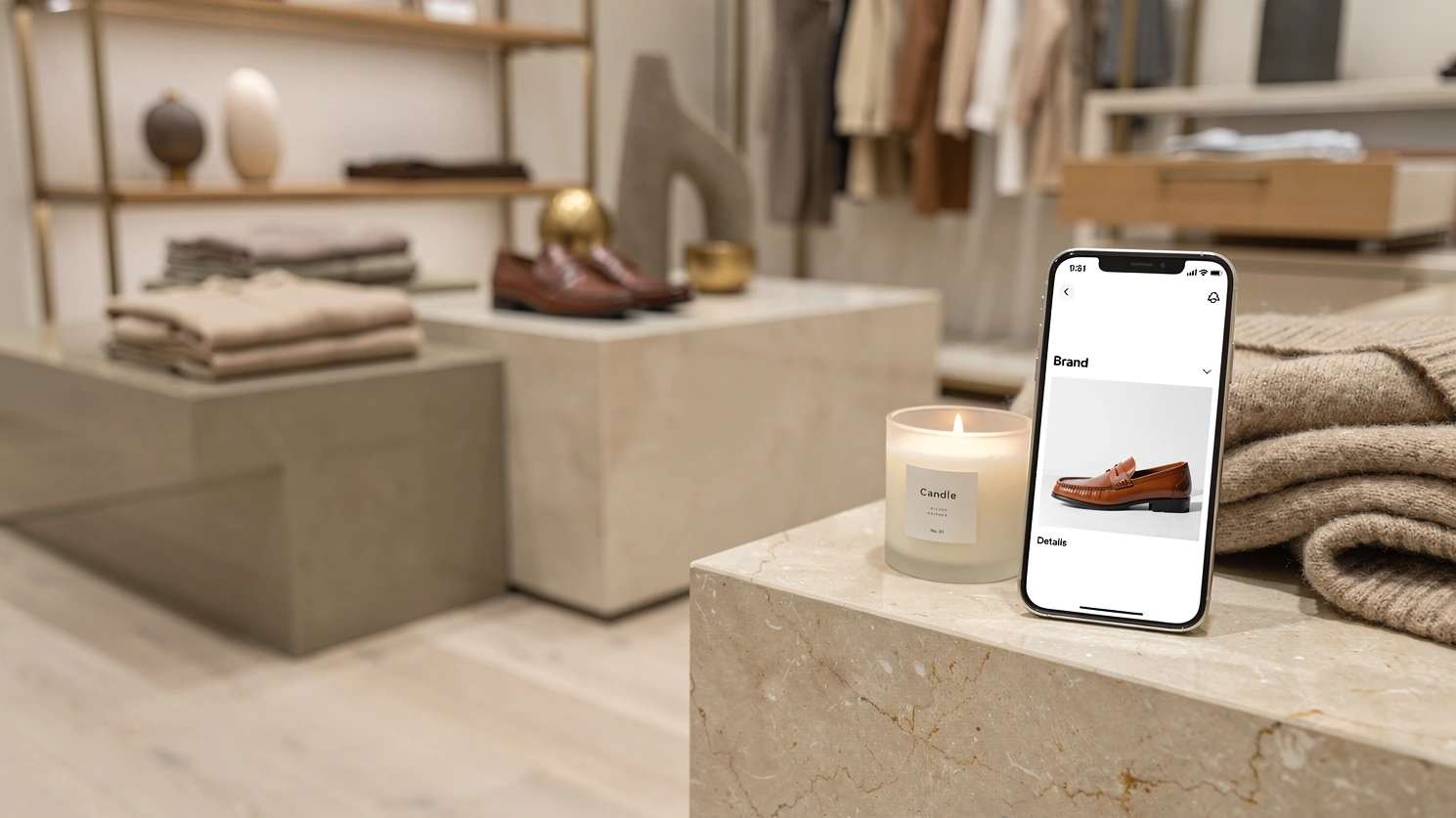
Quiet luxury changed what sells at the top of the assortment, and most retail teams felt it in their margin reports before they named it. Logo-heavy hero products that carried full-price sell-through for years started sitting, while unbranded cashmere, structured outerwear and leather goods with no visible monogram cleared at full ticket. The shift is not a campaign theme. It is a durable change in how affluent shoppers signal status, and it reaches directly into open-to-buy planning, vendor selection and the way you merchandise a floor.
For a luxury premium buyer, the practical question is not whether the trend is real but how to allocate dollars against it without over-rotating. Quiet luxury rewards quality cues that photograph poorly and reward in person: fabric weight, stitch density, hardware finish, fit. That makes it harder to merchandise online and easier to merchandise in stores that train staff to talk about construction. This guide walks through the buyer mechanics, the pricing math, the assortment moves and the mistakes that cost margin, with concrete numbers you can pressure-test against your own sell-through.
In short
- Quiet luxury is a demand shift toward discreet, high-construction premium goods, and it changes assortment math more than it changes brand messaging.
- The category sells on perceived durability and fit, so cost of goods rises while markdown risk falls when you buy it correctly.
- Merchandising leans on fewer SKUs at deeper depth, neutral palettes, and floor sets that let fabric and silhouette do the selling.
- Online conversion suffers without rich detail: fabric specs, weight in grams, and zoomable texture shots become conversion levers, not nice-to-haves.
- The biggest risk is logo-stripping a mass brand and pricing it like quiet luxury without the construction to justify the ticket.
What quiet luxury actually means for a buyer
Quiet luxury describes premium goods that signal status through quality and restraint rather than visible branding. For a buyer, the operative definition is narrower: it is the segment where customers will pay a full premium for construction they can feel, and where loud logos suppress rather than lift willingness to pay. That inversion is the whole story. A monogram that added 15 to 20 percent perceived value in 2019 can now read as try-hard to the exact customer with the highest lifetime value.
This connects to a broader move in how affluent shoppers behave, which we map in detail in the state of consumer behavior in retail and e-commerce. The short version for merchandising: the high-spend customer is trading display for discretion, and is increasingly willing to research fabric origin and construction before buying. That changes which vendors you court and which product attributes you put in your buy sheets.
Concretely, the buyer signal is a flip in full-price sell-through by attribute. When you tag your top quartile of premium units by logo visibility, you often find discreet pieces clearing 8 to 12 points higher at full price than logo-forward equivalents in the same price band. That gap is your mandate. It tells you where to push depth and where to thin the buy.
It helps to separate three things that often get blurred together. Quiet luxury is not the same as minimalism, and it is not the same as logomania in reverse. Minimalism is an aesthetic about simplicity; quiet luxury is an economic claim about quality you can verify. A plain gray sweater from a fast-fashion supplier is minimal but not quiet luxury, because it cannot survive the touch test. The distinction matters at the buy sheet, because it stops you from buying cheap plainness and calling it premium.
The behavioral driver is also worth naming precisely. Affluent shoppers in 2026 are signaling to a smaller, more discerning in-group rather than to the broad public. The audience for a discreet coat is the handful of people who recognize the cut and the cloth, not the street. That is why the willingness to pay concentrates around attributes that only insiders read: a specific mill, a known leather tannery, a recognizable last on a shoe. Your sourcing story becomes part of the product, which is a different muscle than the logo-led merchandising most teams built over the past decade.
How quiet luxury changes the assortment and the buy
The assortment answer is concentration. Quiet luxury punishes breadth because the customer is buying into a coherent point of view, not browsing a wall of options. The discipline is fewer styles, deeper buys, better fabric. A floor that carried 40 sweater bodies in a season moves toward 22 to 26, each in two or three colorways that stay inside a neutral spine: oatmeal, charcoal, navy, camel, black, and one seasonal accent.
Here is a worked comparison of how the unit economics typically shift when a buyer rebuilds a premium knitwear classification around quiet luxury principles.
| Metric | Logo-forward assortment | Quiet luxury rebuild |
|---|---|---|
| Active styles in classification | 40 | 24 |
| Average unit cost | $58 | $84 |
| Average retail ticket | $165 | $245 |
| Initial markup | 64.8% | 65.7% |
| Full-price sell-through | 54% | 66% |
| End-of-season markdown depth | 42% | 28% |
| Maintained margin | 49% | 57% |
The point is not the exact figures, which vary by category and region. The point is the shape: higher cost of goods and higher ticket, paired with stronger full-price sell-through and shallower markdowns, can lift maintained margin even as your unit count falls. The buy gets smaller and richer, and the risk concentrates in fewer decisions, which raises the bar on vendor vetting.
That concentration cuts both ways, so plan for it. With 24 styles instead of 40, a single miss hurts more, which means your sample reviews and fit sessions cannot be rushed. Many teams that move to quiet luxury add a step: they buy a small test depth on a new vendor’s lead style, sell it for four to six weeks, and only place the depth order once the touch test holds up against real returns and real customer feedback. The shallower markdowns you are budgeting for assume the goods perform, and the only way to protect that assumption is to vet construction before you commit open-to-buy.
Vendor selection shifts accordingly. The mill or factory matters more than the brand name on the label, because the value lives in the make. Ask suppliers for fabric weight in grams per square meter, fiber content with percentages, yarn count for knits, and the tannery or mill of record for leather and woven goods. Vendors who can answer those questions quickly tend to be the ones who can hold quality at depth. Vendors who deflect are usually selling you a look, not a product, and a look does not survive a full-price season in this segment.
Follow this sequence when you rebuild a classification:
- Tag last season’s premium units by logo visibility, fabric content and construction grade, then pull full-price sell-through for each tag.
- Cut the bottom third of logo-forward styles and reallocate those open-to-buy dollars into depth on the discreet top quartile.
- Raise the fabric floor: set minimum weight and content standards (for example, knitwear at or above a defined gram weight, full-grain leather only) and reject vendor offers below it.
- Compress the palette to a neutral spine plus one accent so cross-category outfits build naturally on the floor.
- Negotiate depth, not breadth: fewer styles at higher units per style improves your cost position and your in-stock on the pieces that carry the look.
Durability and provenance also intersect with compliance and sourcing claims, an area where the rules tightened this year. If your quiet luxury story leans on material origin or longevity, align the claims with the standards we cover in the 2026 sustainability rules every retailer should plan for, because unsubstantiated durability or sourcing claims are now a legal exposure, not just a marketing risk.
Merchandising the floor and the product page
In stores, quiet luxury merchandises through restraint and tactility. Floor sets get more negative space, fewer faced-out units, and lighting that flatters texture rather than blasting color. The selling motion shifts from price and promotion to construction: staff who can explain why a coat holds its shape or why a knit resists pilling convert the high-intent customer that this segment depends on. Train associates on three to five construction talking points per key item and you will see attachment rates rise on the pieces with the best margin.
The physical presentation rewards a few specific moves. Group by material and silhouette rather than by color story, so the customer reads quality first and palette second. Keep stacks low and folds crisp, because sloppy presentation undercuts a premium claim faster than anything a competitor does. Put the highest-construction hero pieces at eye level and within arm’s reach, and let customers touch freely, because tactility is the conversion event for this category. A piece that never gets handled rarely sells at full ticket, since the price only makes sense once the hand confirms the cloth.
There is a pricing-communication angle in stores too. Because the segment rejects overt discounting, the price tag itself should do quiet work: a clean ticket, no slash pricing on the hero pieces, and signage that names the material and origin rather than shouting a deal. Loyalty and clienteling carry more weight than broad promotion here, since the high-value customer responds to a personal note about a new shipment of a fabric they bought before, not to a storewide percent-off banner. Shift your customer-relationship budget toward that one-to-one motion and away from blanket markdown signage, and you protect both the margin and the perception of value.
Online is where most teams underperform, because the discreet aesthetic strips out the visual shortcuts that drive clicks. The fix is information density on the product page: state fabric content and weight in grams, show macro shots of weave and stitching, name the leather grade, and give care and longevity detail. According to guidance from the US Federal Trade Commission’s textile and apparel rules, fiber content and country-of-origin disclosures are mandatory for most textile goods, so the data you need for trust is data you are already required to hold. Surface it.
Audience nuance matters here. Younger affluent shoppers research differently and reward brands that show their work on materials and origin. The tooling and tactics for reaching them are laid out in our roundup of tools and vendors for gen z and millennial in 2026, and the pattern is consistent: this cohort screenshots, compares and verifies before paying a premium, so the product page has to win the comparison on substance.
Quiet luxury also reshapes the physical store calculus. Because the format favors space, service and lighting over dense racking, the cost per square foot of presenting it well climbs, which feeds straight into the location and lease math that decides whether a premium concept pencils. The unglamorous realities of that math, including how rent and footprint constrain a high-touch format, are worth reading alongside this in rent, parking and zoning: the boring truths of main street retail.
Common mistakes
The first mistake is logo-stripping without construction. Taking a mass-market garment, removing the visible branding and pricing it like quiet luxury fools no one for long. The customer who pays the premium can feel a thin fabric and a flimsy seam, and the return rate punishes you within a season.
The second is over-rotating the buy. Quiet luxury rewards depth, but converting an entire premium floor to one austere point of view strands the customer who still wants color and occasion product. Build the discreet core as a growing share, not a total takeover.
The third is thin product data online. Teams pour budget into mood photography and then omit fabric weight, content and grade. For a segment that sells on substance, missing specs is a conversion leak that no amount of lifestyle imagery closes.
The fourth is chasing the aesthetic with the wrong markdown cadence. Quiet luxury holds value when you protect full price, so reflexive promotional calendars erode the exact equity you are trying to build. Plan shallower, later markdowns and let sell-through, not the promo calendar, drive the timing.
The fifth, and most expensive over time, is treating it as a one-season campaign. Teams that buy a quiet luxury capsule, run it, then revert to logo-forward defaults the next season teach their best customers not to trust the floor. The equity in this segment compounds when the customer learns they can rely on the construction every time they walk in. Build the discipline into the buying calendar permanently, and let it grow as a share of the premium assortment rather than appearing and vanishing with the trend cycle.
FAQ
Is quiet luxury a fad that will fade by next season?
Treat it as a structural shift, not a seasonal trend. The underlying driver is a change in how affluent shoppers signal status, moving from visible branding toward discreet quality, and that behavior has held across several cycles. The specific palettes and silhouettes will rotate, but the demand for construction over logos and for restraint over display looks durable. Plan your buy as a growing share of the premium assortment rather than a one-season bet, and you protect yourself either way.
How do I price quiet luxury goods correctly?
Price to construction, not to the look. The premium is justified by fabric weight, content, grade and fit, so your ticket should track the genuine cost of goods plus a markup that matches the segment, typically a maintained margin in the mid-fifties when bought well. Avoid the trap of pricing an under-built garment at a quiet luxury ticket. The customer detects the gap, returns climb, and your brand equity erodes faster than the short-term margin gain.
Which categories adopt quiet luxury most easily?
Knitwear, outerwear, tailored separates, leather goods and footwear lead, because each has clear, feelable construction cues that justify a premium. Cashmere weight, coat structure, leather grade and stitch density all read as quality in person. Categories driven by trend novelty or visible logos adapt more slowly. Start your rebuild in the classification where construction differences are most obvious to the customer, prove the margin lift, then extend the discipline outward.
Does quiet luxury work for online-first retailers?
Yes, but it demands more from the product page. Without a store associate to explain construction, the page has to carry the proof: fabric content and gram weight, macro texture and stitching shots, leather grade, fit notes and care guidance. Online-first sellers who supply that detail convert the researching premium shopper well. Those who lean only on lifestyle imagery leave money on the table, because the segment buys on substance and will compare your specs against competitors before paying.
How does quiet luxury affect markdown strategy?
It should reduce both the depth and frequency of markdowns. The segment holds full-price value when you protect it, so aggressive promotional calendars actively damage the equity you are building. Plan shallower markdowns taken later in the season, and let actual sell-through trigger the timing rather than a fixed promo cadence. Done right, the rebuilt assortment shows stronger full-price sell-through and shallower end-of-season clearance, which is where most of the maintained-margin lift comes from.
What metrics prove quiet luxury is working in my assortment?
Watch full-price sell-through by logo-visibility tag, maintained margin by classification, markdown depth at end of season, and return rate on premium units. The signal you want is discreet pieces clearing several points higher at full price than logo-forward equivalents, with maintained margin rising even as unit counts fall. Pair those with qualitative store feedback on which construction talking points drive attachment, and you have a clear, defensible read on whether the rebuild is paying off.
What’s next
Start small and let the numbers lead: tag one premium classification, rebuild it around construction and restraint, and measure full-price sell-through against the logo-forward baseline before you scale the discipline across the floor. As the affluent customer keeps shifting toward discretion, the retailers who win will be the ones who buy quality they can defend and merchandise it with the substance the segment demands, a thread we keep tracking in our ongoing read on the state of consumer behavior in retail and e-commerce. Pressure-test every premium buy against that standard and the margin follows.