
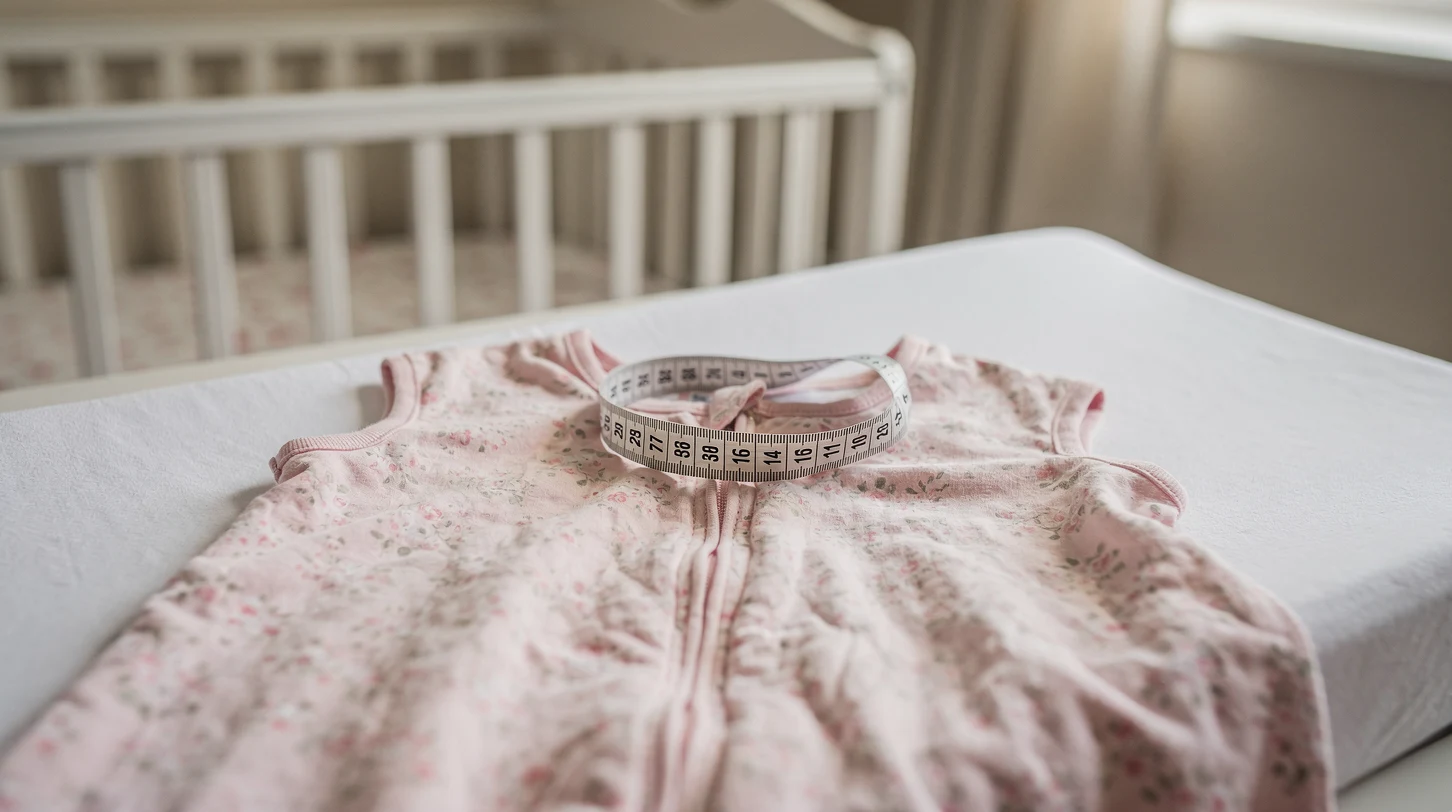
Next has pulled one of its own-brand baby sleeping bags from its website and every one of its shops and started a product recall, after a mother in Norwich found the neck opening was several centimetres wider than the British standard allows. The BBC reported the recall on 21 November 2026, quoting a Next spokesperson who confirmed the item had been removed and that the retailer was contacting customers who bought it directly.
The recall lands in the middle of a wider crackdown. Since 1 October the Office for Product Safety and Standards (OPSS) has issued a national safety alert on baby sleeping bags, published a sweep of unsafe listings across seven online marketplaces and added a fresh batch of baby sleep recalls in the week before Black Friday. This article explains what Next has done, how to check the bag your baby uses tonight, what your refund rights are and why a high street label is not a guarantee.
In short
- Next recall: the own-brand 2.5 tog pink floral sleep bag with removable sleeves, sold in three sizes, has been taken off sale online and in all stores, according to a company statement given to the BBC.
- The fault: the BBC reports the neck opening on one bag measured 36cm, against a 32cm maximum for babies 50cm to 65cm tall under the EN 16781 sleep bag standard.
- The risk: a baby can slip down through an oversized neck hole so that fabric covers the nose and mouth, which the British Retail Consortium says can cause suffocation.
- Wider crackdown: OPSS says it has published nearly 50 recalls or product safety reports for dangerous baby sleeping bags since 2023, and it flagged listings on Amazon, AliExpress, OnBuy, Wish, Vinted, Etsy and Joom on 26 October.
- What to do: stop using the Next bag, contact Next, and use the one-to-two-finger neck test on any other sleep bag in the house.
What exactly has Next recalled?
The product is a Next own-brand baby sleep bag in a pink floral print, rated at 2.5 tog and sold with sleeves that can be removed. The BBC says it came in three sizes. Next told the broadcaster: “We can confirm the item has been removed from our website and all stores. A product recall is in place, and we are contacting all customers who purchased the item directly to advise them of the appropriate next steps.”
That statement covers three things a parent will want to know. The bag is no longer on sale, so you will not find it on next.co.uk or on a shop rail. A formal recall is running, which is different from a quiet withdrawal: it means Next wants products already in homes to come back. And Next is reaching out to buyers it can identify, which in practice means people who ordered online or used a Next account.
Next has not, at the time of writing, published a separate recall notice with batch codes or product numbers, and no OPSS recall entry for the item had appeared on gov.uk when we checked on 21 November. Parents who bought the bag should not wait for one. If you have a pink floral 2.5 tog Next sleep bag with detachable sleeves, treat it as affected and stop using it for sleep.
What Next has and has not said
The company statement confirms removal, a recall and direct customer contact. It does not say how many bags were sold, how long the item was on sale, whether all three sizes share the neck fault or what the remedy will be. Those gaps matter, because a refund, a replacement and an exchange voucher are not the same outcome for a family that has already lost the use of the product.
We have not seen any statement from Next about the cause, for example whether the problem lies in the pattern, the fabric stretching after washing or a single production batch. Until Next or a regulator publishes more detail, any claim about the cause is speculation, and we have not made one here.
How did a mother in Norwich spot the problem?
According to the BBC, Emma Hunter, 29, from Norwich, contacted the BBC’s Your Voice team after realising the neck hole on the bag was far too big for her daughter Rosie. Rosie measured 59cm when the bag was bought and is now three and a half months old. Mrs Hunter told the BBC she and her husband agreed there was “no way” they could put Rosie in it.
She then did her own research. The bag carried a label saying it met British standards, but she found that the maximum neck circumference for a bag of that size should be 32cm. When she measured it, the BBC reports, the opening was 36cm, four centimetres over the limit.
Mrs Hunter told the BBC that her first contact with Next felt “quite laissez faire”, and that she was offered a refund before the product was withdrawn. She said she pushed for a recall, and that Next told her its product team was examining the bag. Her older brother died of Sudden Infant Death Syndrome as a baby, which she said made her more alert to the risk.
Under the General Product Safety Regulations 2005, a producer or distributor that learns a product it has placed on the market is unsafe must act, and must notify the authorities where a product poses a risk. A single well-documented complaint with measurements against a published standard is exactly the type of evidence that can move a product team from “looking into it” to a withdrawal.
The case also shows how much of the UK’s product safety system still relies on consumers. OPSS and local Trading Standards teams test products, but they cannot check every size of every own-brand line in every season. Parents who measure, photograph and report a fault are often the first line of detection.
What does the sleep bag standard actually require?
The relevant standard is BS EN 16781:2018, which sets safety requirements and test methods for children’s sleep bags used in a cot. It is a voluntary standard: there is no law that says every sleep bag sold in the UK must be certified to it. But it is the benchmark OPSS points to, and it is the standard many retailers, including high street chains, claim on their labels.
One of its central rules concerns the neck opening. The BBC, citing the British Retail Consortium, reports that the standard sets a minimum and maximum neck circumference in relation to the child’s height. For a sleep bag designed for a baby 50cm to 65cm tall, the neck should measure between 28cm and 32cm.
The logic runs both ways. Too tight and the bag can restrict the neck. Too loose and a baby can wriggle down inside the bag, so that the material rides up over the nose and mouth. The BRC says that if this happens “suffocation can occur and may lead to the brain becoming starved of oxygen, which may result in asphyxia and potential brain damage or fatality”.
| Measure | EN 16781 range reported for a 50–65cm baby | Next bag as measured (BBC report) | Gap |
|---|---|---|---|
| Minimum neck circumference | 28cm | 36cm | Within minimum |
| Maximum neck circumference | 32cm | 36cm | 4cm over (12.5% above the limit) |
| Baby’s height at purchase | 50–65cm band | 59cm | Inside the band the bag was sized for |
| Armholes | Required for cot sleep bags | Yes (removable sleeves) | Compliant on this point |
| Hood | Not permitted for cot sleep bags | No hood reported | Compliant on this point |
The table makes one point clear. The Next bag was not a hooded, armless novelty product of the type OPSS has been pulling from marketplaces. It looks like a conventional sleep bag, which is precisely why the neck fault is harder for parents to spot.
How is this different from the OPSS sleeping bag alert?
On 1 October 2026 OPSS issued Product Safety Alert PSA9 on baby sleeping bags. The alert targets a specific design problem: bags that have no armholes, or that include a hood, and that are marketed for babies to sleep in unsupervised in a cot or crib. OPSS says these pose “a serious risk of harm”, mainly through suffocation and overheating.
OPSS explained that without armholes to hold a baby in position, a child can slip down inside the bag and the material can cover the nose and mouth. A hood can also move over the face. Heat-retentive materials that enclose a baby’s head can stop heat escaping, and OPSS notes there is a higher risk of Sudden Infant Death Syndrome if a baby overheats.
Crucially, the alert says it “does not apply to Baby Sleeping Bags that meet voluntary standard BS EN 16781:2018”. In other words, the regulator’s message to parents has been: avoid hooded and armless bags, and look for products that meet the standard. The Next case tests the second half of that message, because the bag reportedly carried a British standard claim yet measured outside the neck limit.
OPSS said the alert followed “nearly 50 recalls or product safety reports for dangerous sleeping bag products in the UK since 2023”. On the same day the Advertising Standards Authority warned parents to be alert to online adverts for baby products claiming to help with colic, reflux, sleep and soothing, after a monitoring exercise found ads promoting potentially dangerous products and practices.
The timing matters for shoppers. October to December is the peak season for buying warmer, higher-tog sleep bags, and baby clothing is a staple of Christmas gift lists. A product bought as a present, or passed on by a friend, may never reach the original buyer’s inbox if a recall email goes out.
Which online marketplaces have been told to pull baby sleeping bags?
On 26 October OPSS published a set of product safety reports covering baby sleeping bags listed on seven online marketplaces. In each case the listings had been removed by the platform. The products were typically hooded or lacked arm openings, and many were marketed as suitable from birth to 12 months.
The reports describe a familiar set of designs: padded “3 in 1” bags that convert into a portable bed, knitted cocoons shaped like stars or Christmas trees, personalised flannel bags with rabbit ears sold as newborn gifts, and festive elf-style outfits sold as sleeping bags. OPSS said in each report that the products did not meet the requirements of the General Product Safety Regulations 2005.
| Marketplace | OPSS reference | Date published | What was flagged | Action |
|---|---|---|---|---|
| Amazon | 2610-0176 | 26 Oct 2026 | Five hooded “3 in 1” sleeping bag and carry nest listings | Listings removed |
| OnBuy | 2610-0183 | 26 Oct 2026 | Three hooded or open-top plush and knitted bags | Listings removed |
| AliExpress | 2610-0182 | 26 Oct 2026 | Several hooded knitted and quilted bags, including a star-shaped design | Listings removed |
| Wish | 2610-0185 | 26 Oct 2026 | Hooded winter sleep sack and an elf-style knitted bag | Listings removed |
| Etsy | 2610-0180 | 26 Oct 2026 | Personalised and crochet hooded bags sold as newborn gifts | Listings removed |
| Vinted | 2610-0184 | 26 Oct 2026 | A crochet baby sleeping bag | Listing removed |
| Joom | 2610-0186 | 26 Oct 2026 | A blue starfish-shaped baby sleeping bag | Listing removed |
| Wish | 2610-0064 | Recall listed 17 Nov 2026 | Hooded “Shark Tail” sleeping bag | Recall from end users required by OPSS |
The difference between a “product safety report” and a “product recall” is worth knowing. A safety report with a listing removal stops new sales, but leaves products already bought in homes. A recall from end users, which OPSS required for the Shark Tail bag sold via Wish, means owners are told to stop using the item and contact the seller for a refund.
Shoppers who follow our coverage will recognise the pattern from the Which? investigation into unsafe products on Amazon and eBay, which found dangerous goods still on sale and called for new law to make platforms more responsible. Baby sleep products are one of the categories where the gap between a marketplace listing and a safety standard is widest.
What else has been recalled for babies this week?
The Next withdrawal is the highest-profile baby sleep recall of the month because it involves a household name. It is not the only one. OPSS and local Trading Standards published a cluster of notices between 16 and 19 November, just as the Black Friday sales began.
- BlueMello Baby Swaddle Blanket sold via Amazon (2610-0066), 17 November: OPSS required a recall from end users after finding a serious risk of asphyxiation and overheating, because the design allows a baby to slip below the covers. Amazon removed the listing.
- Goose Patting Baby Sleep Pillow sold via AliExpress (2610-0014), 19 November: a pillow with a heated, patting “wing” mechanism, marketed from birth to 12 months. OPSS says baby sleep pillows should not be used for babies under 12 months or placed in a cot.
- Goose Patting and animal-shaped baby sleep pillows sold via Wish, 16 November: two further recalls in the same product family.
- Britax Römer Baby-safe Pro infant carrier (2611-0130), 19 November: affected batches made between 26 December 2025 and 30 September 2026 have been recalled because the harness buckle may release or break when installed on the base in the reclined position. Owners are directed to baby-safe-check.com.
Two lessons sit across these notices. Online marketplaces remain the main route by which unsafe sleep products reach UK homes, and most of the notices name a platform in the title. But branded and own-brand products from established names, Britax and now Next, are not immune.
We reported earlier this month on how Amazon pulled an AI toy bunny while UK regulators investigated, another case in which a children’s product was withdrawn after scrutiny rather than before sale.
How do you check a baby sleeping bag at home tonight?
Ruth Watts, a qualified health visitor in England, gave the BBC a simple rule: check the gap around the neck. “If you can fit one to two fingers around the neck then that’s safe. If it’s any tighter or looser than that, then you shouldn’t use it,” she said. She added that if a sleeping bag covers the chin or face in any way, has a hood or has no arms, it should not be used.
Babies of the same age vary in height, so the age printed on a label is only a rough guide. The bag should be chosen by the baby’s height and weight where the label gives them, and rechecked as the baby grows. A bag that fitted at eight weeks may fit differently at twelve.
- Put the baby in the bag and do up the fastenings. Check the neck with one or two fingers. More room than that, or a bag that slides up towards the chin, is a warning sign.
- Measure the neck opening flat. Lay the bag down, fasten it and measure around the neck opening with a soft tape. Compare it with the size guide on the label and, where available, the height band.
- Check the armholes. A cot sleep bag should have armholes or sleeves that hold the baby in position. No arms means no use for unsupervised sleep, according to OPSS.
- Check for a hood. Any hood rules the bag out for cot sleep under the OPSS alert, however cosy it looks.
- Check the tog against the room. Overheating is a separate risk. Follow the manufacturer’s tog guidance for the room temperature and do not add heavy layers or blankets.
- Look up recalls. Search the OPSS product safety alerts, reports and recalls page on gov.uk by product type or brand, and check the retailer’s own website.
What the Lullaby Trust advises
Jenny Ward, chief executive of the Lullaby Trust, the UK charity that works to prevent sudden and unexpected infant deaths, told the BBC that the charity cannot comment on specific products because it does not carry out independent product testing. She urged families to check that any product they use has passed the necessary safety checks and meets British safety standards.
“Remember to follow the manufacturer’s instructions and if a family is worried about any product we would say to stop using it and contact the manufacturer,” she said, adding that the charity supports the OPSS warning on certain baby sleep bags. That advice is the safest default for any parent who is unsure.
What are your refund rights if you bought the Next bag?
Next says it is contacting customers who bought directly and advising them on the next steps. Retailer-led recalls normally offer a refund or exchange whether or not you still have a receipt, but Next has not publicly confirmed the remedy, so wait for its message or contact customer services and keep a note of the date and what you are told.
Separate from any recall, the Consumer Rights Act 2015 gives you statutory rights against the retailer. Goods must be of satisfactory quality, and the Act lists safety as one of the factors in deciding whether goods meet that test. Goods must also match their description, which is relevant where a label claims compliance with a standard the product reportedly does not meet.
| Your situation | Who to contact | What you can expect |
|---|---|---|
| Bought online from next.co.uk or with a Next account | Next (it says it is contacting direct buyers) | Recall instructions from Next; statutory rights under the Consumer Rights Act 2015 still apply |
| Bought in a Next shop, paid by card | Next customer services or any Next store | Card statement can act as proof of purchase; ask for the recall remedy |
| Received the bag as a gift | Next, with the gift receipt if you have one | Recalls are usually honoured for the product itself; the original buyer may not have been told |
| Bought second-hand on Vinted, eBay or Facebook Marketplace | Next about the recall; the seller is unlikely to be liable if they are a private individual | Your statutory rights are weaker against a private seller, so contact Next about the recall |
| Bought within the last 30 days | Next | The short-term right to reject faulty goods for a full refund applies for 30 days from delivery |
The second-hand market is the weak point. Baby sleep bags are among the most commonly resold baby items because babies outgrow them quickly. A family that bought this Next bag on a resale app will not be on Next’s customer list, and the original seller may not know it has been recalled.
Section 75 of the Consumer Credit Act 1974 makes a credit card provider jointly liable with the retailer for breach of contract on purchases of more than £100 and up to £30,000. Most single sleep bags cost less than that, so Section 75 may not apply, but a card chargeback through your bank can be an option where the retailer does not resolve a problem. Keep the product, the packaging and any photographs of the label until the matter is closed.
Why does a British standard label not guarantee safety?
A label saying a product “meets British standards” is a claim made by the business that made or sold it. It is not a certificate from the government, and it is not proof that every unit in every size has been measured. EN 16781 is voluntary, so manufacturers can choose to test against it, and the quality of that testing varies.
Three things can go wrong between a test and a product on a shelf: a sample can pass while later production runs drift, one size in a range can be tested while others are assumed to match, and fabrics can stretch after washing in ways that a new sample does not show. Next has not said which, if any, of these applies to its bag.
The General Product Safety Regulations 2005 put the legal duty on producers to place only safe products on the market, and on distributors to act with due care. OPSS’s alert went further on baby sleeping bags, recommending that “retailers and importers should consider only supplying or importing baby sleeping bags that meet voluntary standard BS EN 16781:2018”. The Next case shows that claiming the standard and meeting it are two different things.
What retailers selling baby sleep products should check
For UK retailers and marketplace sellers, the practical takeaways are clear from the OPSS alert and the Next case. Test every size, not just a sample size, against the neck circumference and armhole requirements. Keep test reports on file with batch and factory details. Re-test after any change of supplier, fabric or pattern, and check whether laundering changes the neck dimension.
Customer complaints about fit should be routed to product safety, not handled only as refunds. The BBC report suggests Mrs Hunter’s first contact produced a refund offer before it produced a withdrawal. A process that flags any neck-size or “baby slipping down” complaint for immediate review would catch these cases sooner.
What does this mean for Next and for high street baby ranges?
Next is one of Britain’s strongest clothing retailers, and its childrenswear and baby ranges are a big part of its appeal to families. Its most recent trading statement, which we covered when Next reported UK growth slowing as overseas orders surged, showed a business that is still growing. A single product recall is unlikely to move the numbers, but trust in baby products is hard won and easily lost.
The wider UK baby market is under strain. Mothercare, once the default destination for nursery goods, now trades through franchise partners overseas and has set itself a deadline to secure its future, as we reported when Mothercare set a year-end rescue deadline. That leaves supermarkets, fashion chains and online marketplaces selling a larger share of baby basics, often under own-brand labels.
That shift raises the stakes on own-brand quality control. Specialist nursery brands build their reputation on safety testing. A fashion or grocery chain selling a sleep bag alongside pyjamas and party clothes needs the same discipline, because parents do not lower their expectations when they buy baby goods from a clothing retailer.
The regulatory direction of travel
The UK’s product safety framework is in transition. The Product Regulation and Metrology Act 2025 gives ministers powers to update product rules and to place new duties on online marketplaces through secondary legislation. Campaigners and MPs have pushed for faster action, and we covered the pressure on platforms when MPs pressed Amazon and TikTok to face a safety hearing.
For baby sleep products, the OPSS alert also points parents to possible redress under the Digital Markets, Competition and Consumers Act 2024 where a product was marketed for unsupervised baby sleep. That is a sign the regulator sees misleading marketing, not only physical design, as part of the problem.
What should parents do now?
If you own the Next pink floral 2.5 tog sleep bag with removable sleeves, stop using it for sleep today. Wait for Next’s message if you bought online, or contact Next customer services if you bought in store, received it as a gift or bought it second-hand. Keep the bag until you know whether Next wants it returned.
Then check every other sleep bag in the house. Use the one-to-two-finger test at the neck, confirm there are armholes or sleeves and no hood, and follow the tog guidance for the room. If a bag fails any of those checks, put it away and use a safe alternative, such as a fitted sheet and a firm, flat mattress in a clear cot, following NHS safe sleep advice.
Finally, if you are buying baby sleepwear in the Black Friday sales or for Christmas, buy from retailers that state the EN 16781 standard clearly and give height or weight bands, not just ages. Be especially wary of hooded, novelty or “cocoon” designs on marketplaces, which make up most of the OPSS notices this autumn.
Frequently asked questions
Which Next baby sleeping bag has been recalled?
Next has recalled its own-brand 2.5 tog pink floral baby sleep bag with removable sleeves, which was sold in three sizes. Next told the BBC it has removed the item from its website and all stores and that a product recall is in place.
What is wrong with the Next sleep bag?
According to the BBC, a customer measured the neck opening at 36cm, while the EN 16781 standard sets a maximum of 32cm for babies 50cm to 65cm tall. An oversized neck can let a baby slip down inside the bag so that fabric covers the nose and mouth.
Will Next give me a refund?
Next says it is contacting customers who bought directly to advise them on next steps, but it has not publicly confirmed the remedy. Your rights under the Consumer Rights Act 2015 apply regardless, and the short-term right to reject faulty goods for a full refund lasts 30 days from delivery.
I bought the bag second-hand. What should I do?
Stop using it for sleep and contact Next about the recall. If you bought from a private seller on a resale app, your statutory rights against that seller are limited, so the recall route through Next is your best option.
How do I check if a baby sleeping bag is safe?
Health visitor Ruth Watts told the BBC you should be able to fit one to two fingers between the neck of the bag and your baby’s neck. The bag should have armholes or sleeves, no hood, and should not cover the chin or face.
What is the OPSS baby sleeping bag alert?
Product Safety Alert PSA9, issued on 1 October 2026, warns against baby sleeping bags that lack armholes or have a hood when used for unsupervised sleep. It does not apply to bags that meet BS EN 16781:2018.
Which marketplaces have removed unsafe baby sleeping bags?
OPSS reports published on 26 October 2026 recorded listings removed from Amazon, AliExpress, OnBuy, Wish, Vinted, Etsy and Joom. OPSS also required a recall of a hooded Shark Tail sleeping bag sold via Wish.
Is a sleep bag that says it meets British standards always safe?
No. The label is a claim by the maker or seller, and EN 16781 is a voluntary standard. The Next case shows a product can carry a standards claim and still measure outside the limits, so check the fit yourself.