
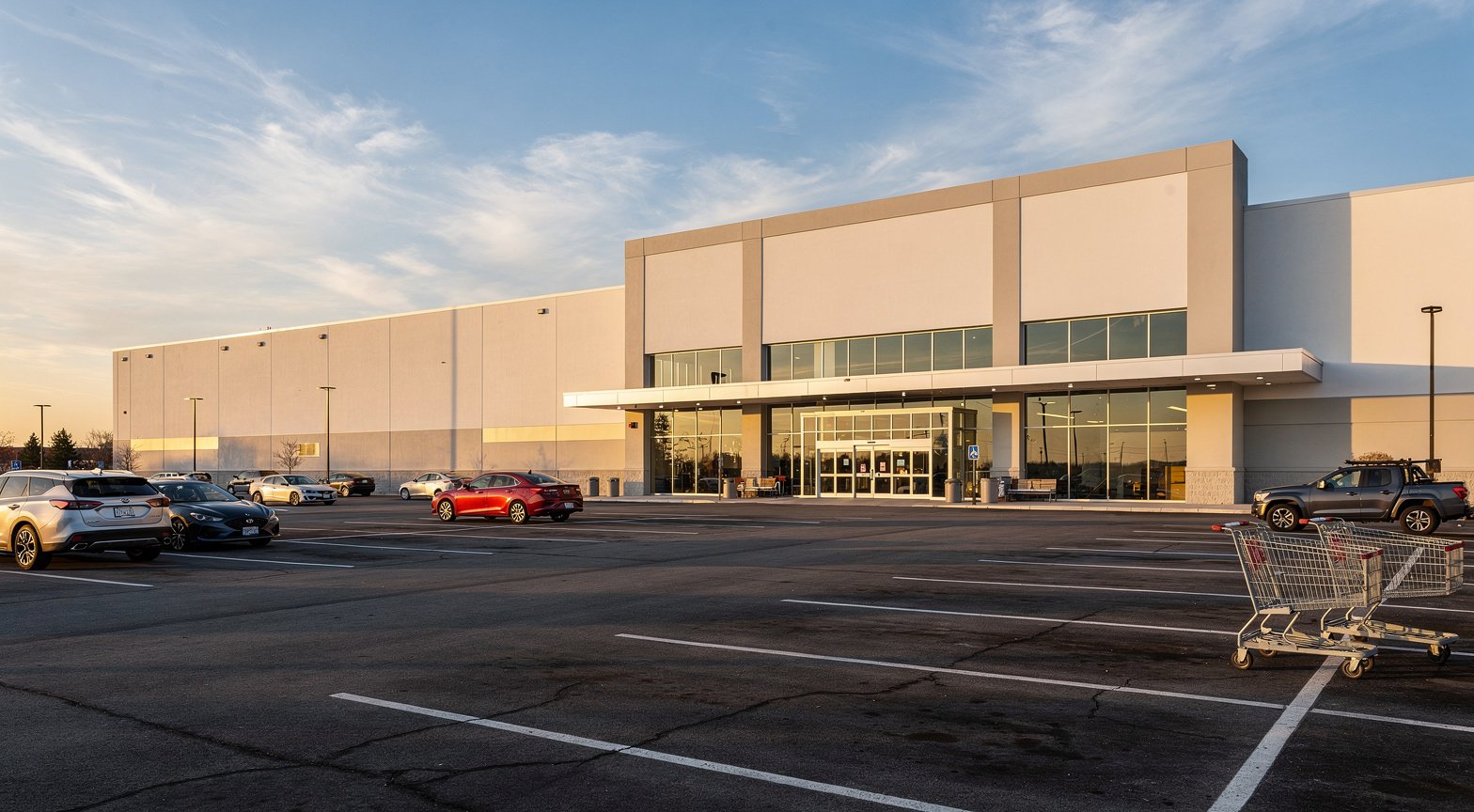
Target is not slowing down. The retailer confirmed today that it is opening 11 brand new stores across the United States this month, and almost all of them are bigger than the average Target you already shop at.
That is a lot of concrete and steel for a company that spent most of last year fighting soft sales, thin traffic, and a rough patch with shoppers. The signal from Minneapolis is pretty blunt now. Target thinks part of the fix is more stores, and bigger ones.
The 11 July openings land across 10 states and move Target closer to its goal of 30 new stores this year. Earlier in 2026 the chain had already cut the ribbon on roughly a dozen locations, so July alone nearly doubles the year so far.
The numbers behind the July store push
Here is the quick version if you just want the facts.
- 11 new Target stores are opening in July 2026, spread across 10 states.
- Six of the 11 top 140,000 square feet, well above Target’s roughly 125,000 square foot average.
- Target is chasing 30 new store openings for the full year of 2026.
- The long game is more than 300 new locations by 2035.
- All of it sits inside a capital plan worth about 5 billion dollars for 2026, which also funds 130 plus store remodels.
So this is not a one off ribbon cutting. It is one visible chunk of a much larger building spree.
Where the 11 new stores are landing
The July batch spreads out across the map instead of clustering in one region. New Target locations are opening in Arizona, California, Colorado, Florida, Kentucky, Massachusetts, South Carolina, South Dakota, Utah, and Texas.
Texas is the standout. The Lone Star State is getting two of the 11, which fits the wider pattern of retailers piling into fast growing Sun Belt suburbs where new rooftops keep going up.
Most of the rest follow population growth too. Florida, Arizona, Colorado, and the Carolinas have all been magnets for big box expansion, because that is where the new households and the new shopping trips are.
Why Target is building bigger boxes on purpose
The size jump is the real story here. When six of eleven new stores clear 140,000 square feet, that is a deliberate choice, not a rounding error.
Target has spent years testing a larger store format that gives it room for a deeper grocery section and more space for the trend led home and apparel goods it is known for. Bigger footprints let it stock more fresh food without gutting the fun stuff that gets people in the door.
Many of the new stores lean into what Target calls a food forward layout. That means a heavier focus on fresh and affordably priced produce, meat, and dairy, the everyday items that pull shoppers back week after week rather than once a season.
What food forward really means for your cart
Grocery is the traffic engine. People buy milk, eggs, and chicken far more often than they buy a new duvet, and Target knows a strong food aisle is what turns an occasional visit into a weekly habit.
By widening the fresh assortment and keeping prices sharp, Target is trying to compete more directly for the trips that usually go to Walmart, Costco, or the local grocer. The bet is simple. If the produce and the meat are good and cheap, the higher margin home and clothing items ride along in the same cart.
It also lines up with what CEO Michael Fiddelke has said about focus. “Target is not an everything store. That’s not what guests want from us,” he told the company, leaning on curated, trend led merchandise rather than trying to out breadth the warehouse clubs.
The bigger bet: 300 stores by 2035
These 11 stores are a down payment on a decade long plan. Target wants to build more than 300 new locations by 2035, and the 30 targeted for 2026 are the opening leg of that run.
The building comes on the back of a steadier stretch for the business. In the first quarter of 2026, Target posted net sales of 25.4 billion dollars, up 6.7 percent year over year, with merchandise sales up 6.4 percent and comparable store traffic up 4.4 percent.
That is a real turn from a year ago, when traffic was sliding and the stock was under pressure. Fiddelke, backed by COO Lisa Roath, is using the calmer moment to spend, remodeling more than 130 existing stores while the new ones go up.
What it means for the big box race
Target is making its move while the rest of the big box aisle jockeys for the same shopper. Walmart has been rolling out fresh rounds of price cuts across groceries and household basics this summer. Costco keeps grinding out new warehouses and record membership renewals.
Target’s answer is a different shape. Instead of racing Costco on bulk or Walmart on the lowest possible price, it is building fewer, larger, grocery heavy stores in growth markets and hoping the mix of cheap food and trend led goods is enough to stand out.
For shoppers, the near term payoff is more places to shop and a bigger fresh food selection in the ones that open. Whether that translates into lasting momentum is the thing to watch, because a 300 store plan only works if the boxes Target opens today are still busy in 2035.