Warehouse club memberships: why shoppers pay for the right to shop
Paying to enter a shop sounds absurd and works extremely well. The club model rests on a few reinforcing mechanics.

Consumer behavior, generational shopping trends, sustainability, luxury, and value shopping insights.
Paying to enter a shop sounds absurd and works extremely well. The club model rests on a few reinforcing mechanics.

Marketplaces bring volume and bring price erosion with it. These are the distribution controls premium brands use to sell there safely.
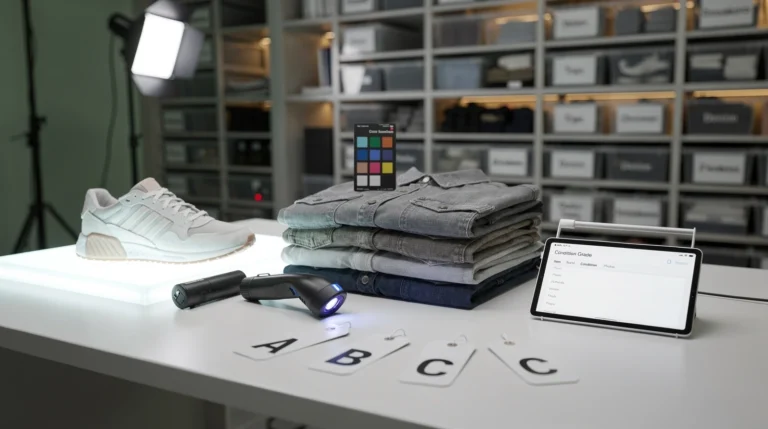
Resale profit dies in inconsistent grading. Here is a grading scale, a photo standard and an authentication flow small teams can actually run.
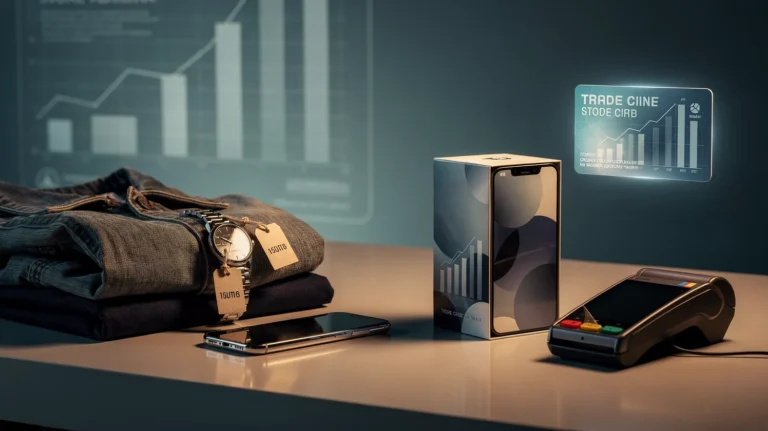
A trade-in program is a discount mechanism in disguise. These are the pricing rules that keep it accretive.
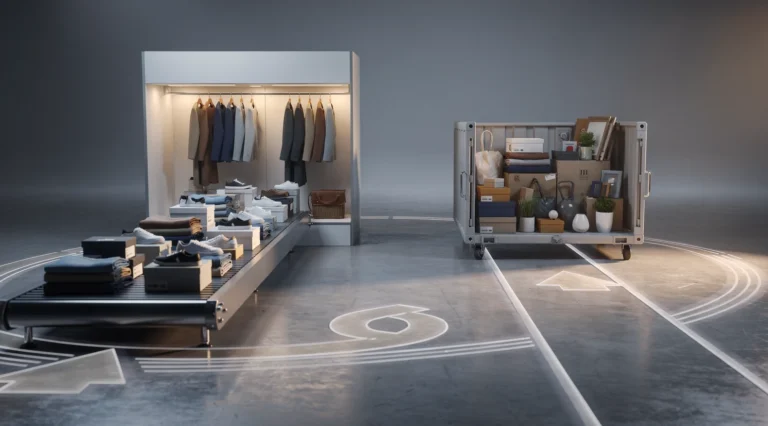
Three routes into resale, three very different cost structures. Here is how brand-owned, powered-by and marketplace resale compare in practice.
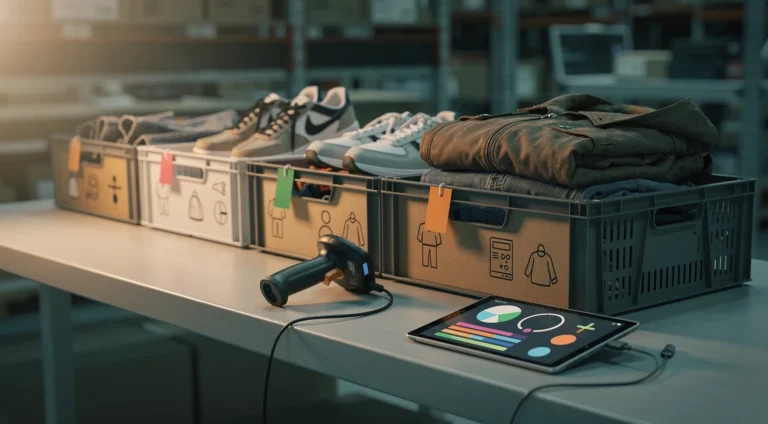
Pillar guide: how resale and trade-in became a retail channel, the operating model behind it and the economics that decide whether it pays.
Retail subscriptions churn for predictable reasons. This breaks down the cancellation drivers and what actually keeps people subscribed.
Shrinkflation is a pricing decision with a reputation cost. Here is what happens to trust and switching once shoppers spot the smaller pack.
Luxury has raised prices faster than inflation for years. This looks at where pricing power still holds and where volume is already leaving.
Repair sounds virtuous and often is, but the economics vary hugely by category. This is how to model a repair program before launching it.