Electronic shelf labels in grocery: cost, payback and pricing rules
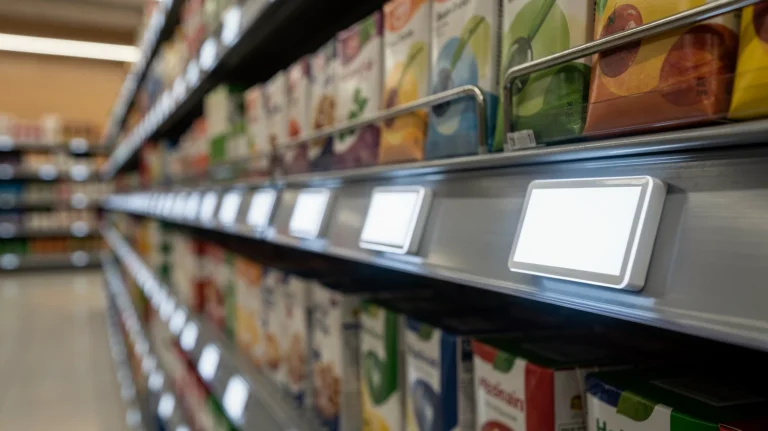
Electronic shelf labels pay back on labour and pricing accuracy, not on dynamic pricing theatre. Here are the numbers.

Coverage of brick-and-mortar retail, department stores, supermarkets, and physical commerce trends.
Electronic shelf labels pay back on labour and pricing accuracy, not on dynamic pricing theatre. Here are the numbers.

Shelf space is bought, measured and reviewed. Here is how planograms and slotting fees work from both sides of the table.
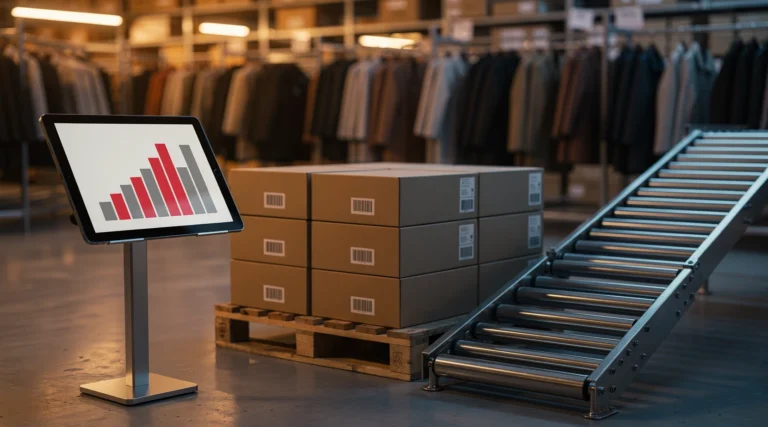
Wholesale into a department store looks like volume until the deductions arrive. These are the terms brands should model first.
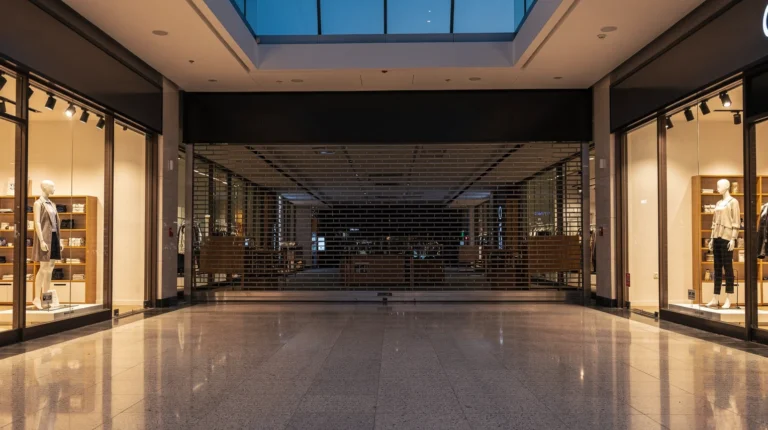
Closure lists look arbitrary from outside. Inside, they follow a fairly consistent set of numbers.

Concessions put a brand inside a department store without a wholesale order. Here is how the commercial terms actually work.
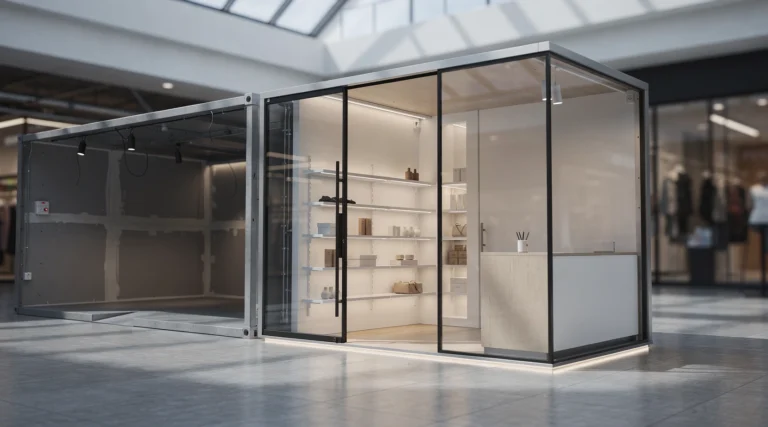
A plain reading of short-term retail licences and pop-up leases, including the clauses brands sign without noticing what they cost.
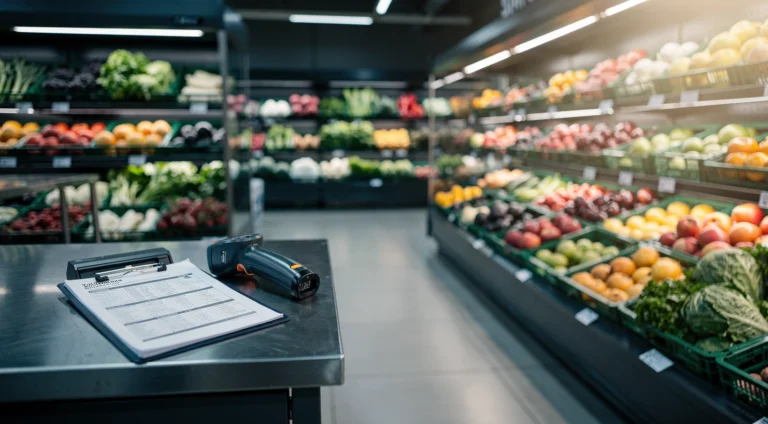
Fresh departments carry most of a grocer’s shrink. This is how to measure it by category and fix ordering before markdowns pile up.

A pre-lease checklist for retailers about to open location number two, covering the cash, people and systems that usually break first.

The short list of store metrics that actually explain performance, how to calculate each one and what a good number looks like.
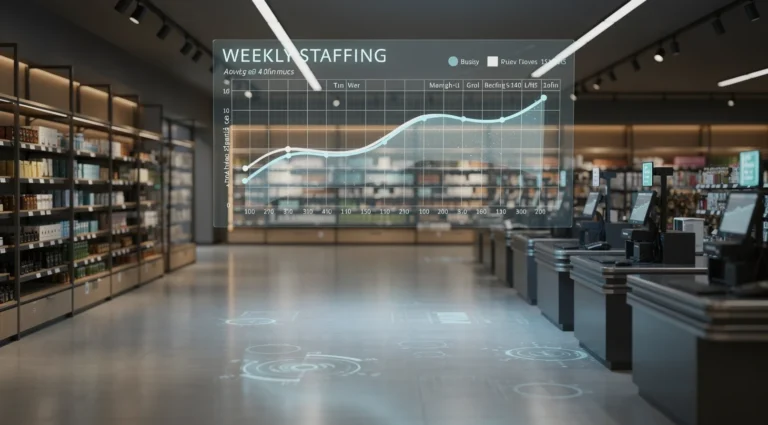
How to schedule store staff from real traffic data so peak weeks are covered without burning payroll in the quiet hours.