Address errors at checkout and the delivery costs they create
Address correction fees and failed deliveries are avoidable. This covers validation at checkout and the cost model that justifies it.
Last-mile delivery innovation: drones, robotics, click-and-collect, locker networks.
Address correction fees and failed deliveries are avoidable. This covers validation at checkout and the cost model that justifies it.
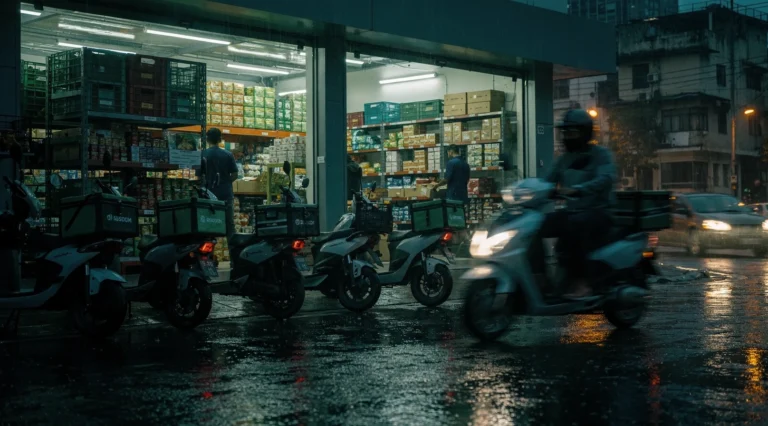
A new Equirus report shows India’s quick commerce market expanding about 40 percent a year, with the combined dark store network of Blinkit, Swiggy Instamart and Zepto up nearly 48 percent to 5,026 sites. The surge collides with a record-dry June and a fresh assault from Amazon and Flipkart.
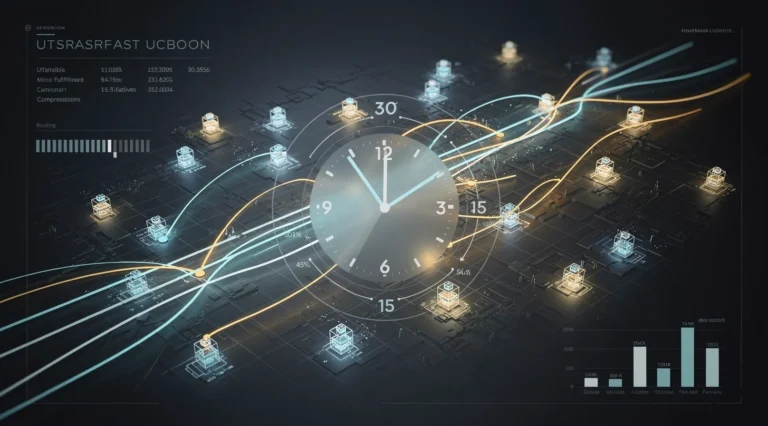
The US instant-delivery frontier is compressing from 30 minutes toward 15, and the fight is moving from apps to owned nano-fulfillment. Three signals point to sub-15-minute launches and a US dark-store buildout wave before year-end 2026.

India’s quick-commerce land grab likely turns to a margin pivot by the September 2026 quarter, with Zepto’s July-to-September IPO the most probable trigger. Three independent signals across Blinkit, Swiggy Instamart, and Zepto point to decelerating dark-store growth before year-end 2026.
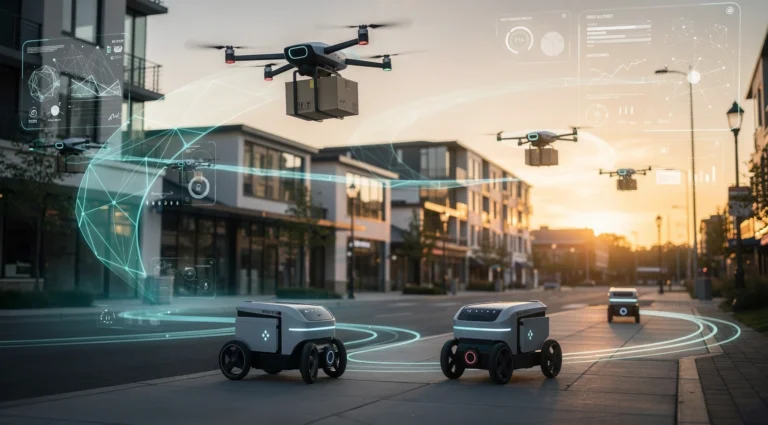
Walmart’s million drone deliveries, Serve Robotics’ first move beyond food, and the FAA’s Part 108 rule point to autonomous delivery crossing into grocery, pharmacy, and parcels by year-end 2026.
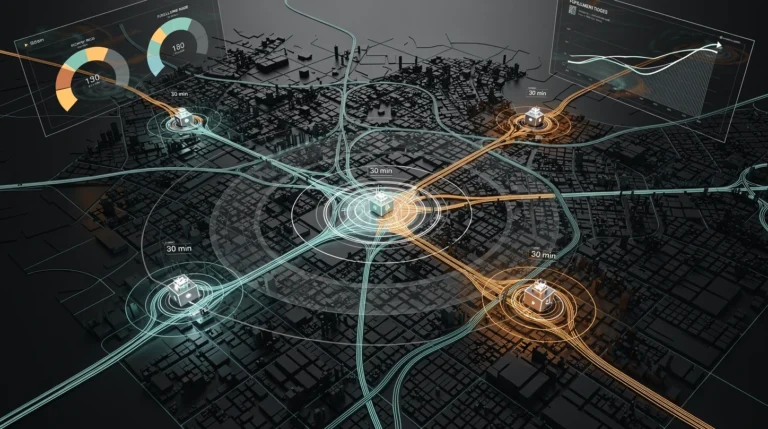
Amazon Now and Walmart’s near-simultaneous May 2026 launches point to a US sub-30-minute delivery arms race that is likely to intensify through holiday 2026. The durable advantage probably accrues to store-network density and subscription lock-in, not to speed itself.
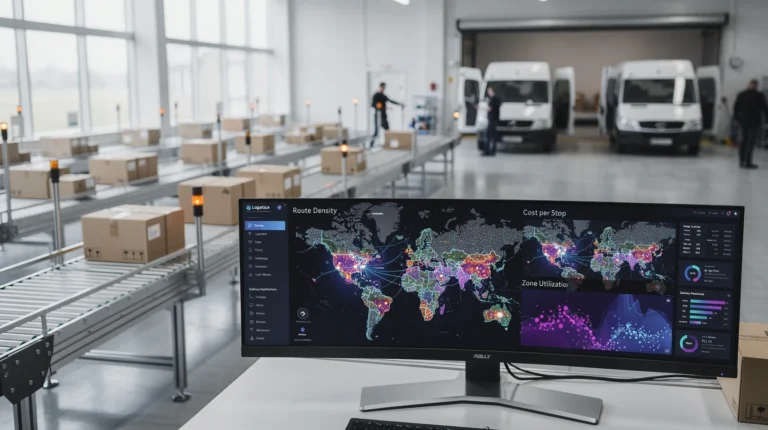
Two retailers on the same courier contract can see last-mile costs diverge by 40 percent. The hidden variable is delivery density: stops per route-hour, and how to move it.
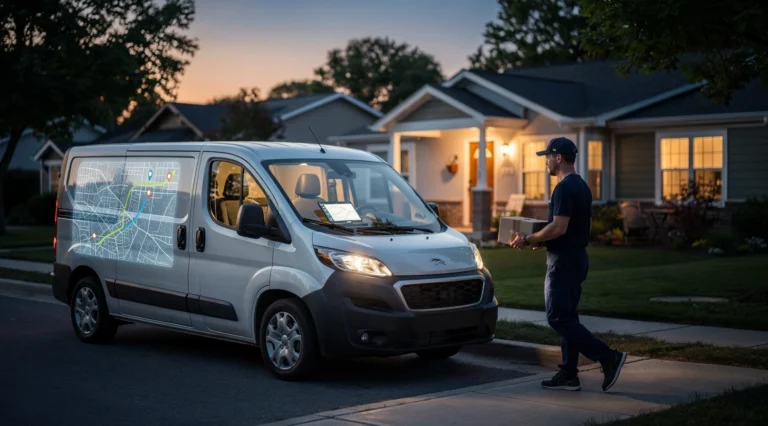
Logistics deep dive: Tools and vendors for last-mile delivery in 2026.
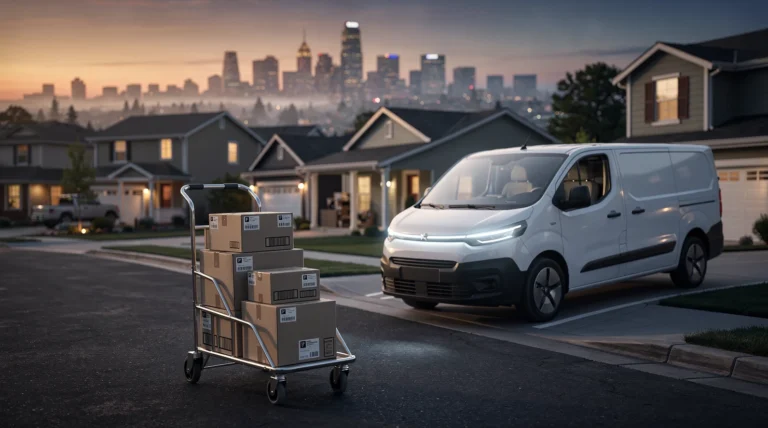
Logistics deep dive: The 2026 last-mile delivery outlook for US retailers.
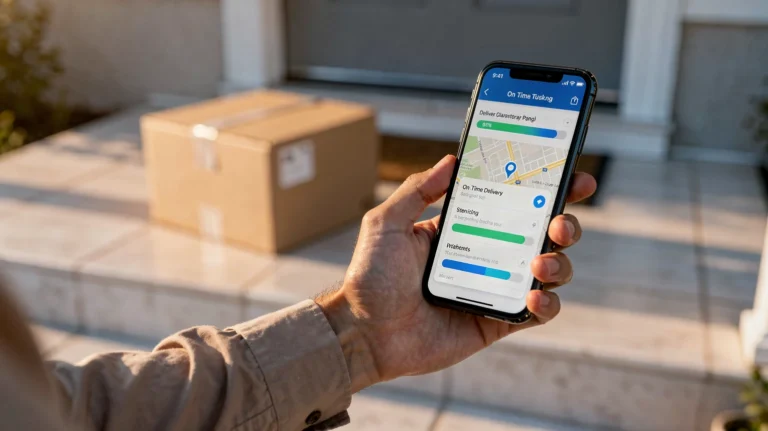
Logistics deep dive: Delivery promise reliability and how it shapes repeat purchase.