Department store loyalty and store card economics
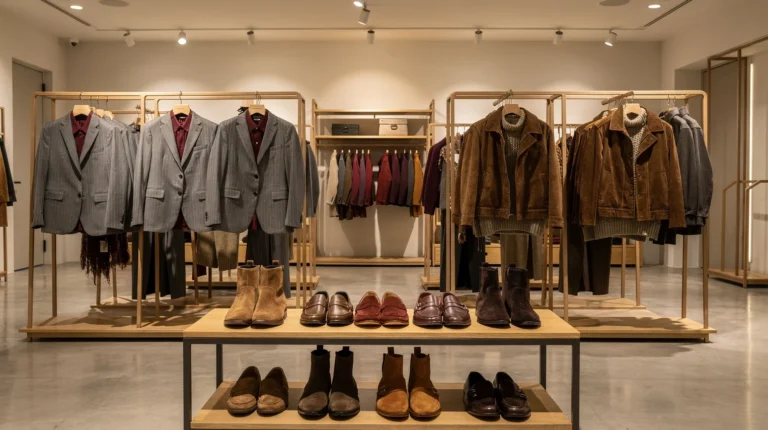
Department store loyalty programs and store cards run on two different engines. Here is the unit economics, the breakage math, and how to measure incremental margin.
Coverage of brick-and-mortar retail, department stores, supermarkets, and physical commerce trends.
Department store loyalty programs and store cards run on two different engines. Here is the unit economics, the breakage math, and how to measure incremental margin.
Concessions turned empty department store floors into a revenue engine again. Here is the margin math, the deal terms, and the operating discipline that separate a profitable shop-in-shop program from a glorified flea market.
Dark stores and micro-fulfillment centers promise faster grocery delivery at lower cost, but the unit economics only work when pick rates, basket size, and rent line up in a narrow window.
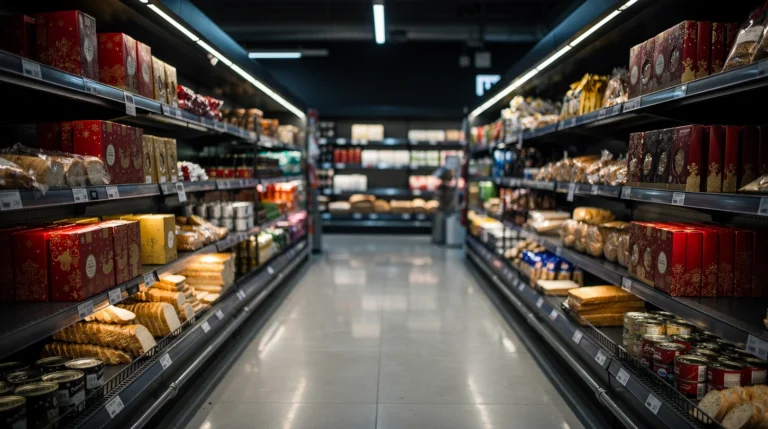
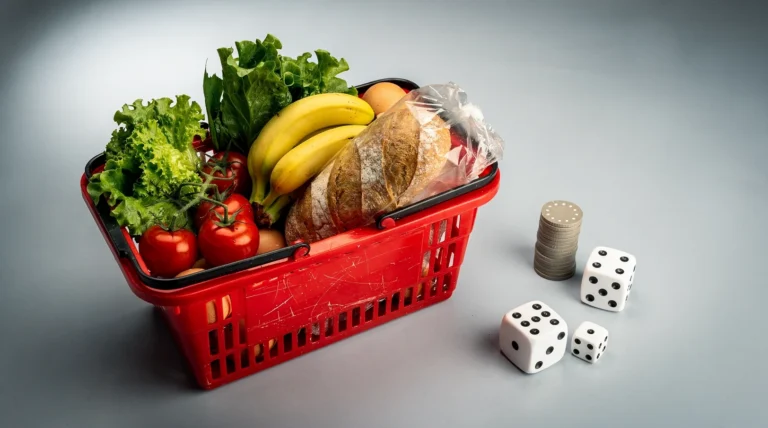
Most grocery loyalty programs reward shoppers who would have bought anyway. The ones that change behavior treat the card as a pricing and data engine, not a points giveaway, and they measure incremental margin per member rather than enrollment counts.
Clienteling turns store associates into a measurable sales channel. Here is the 2026 stack, comp model, metrics and attribution that make it pay off.
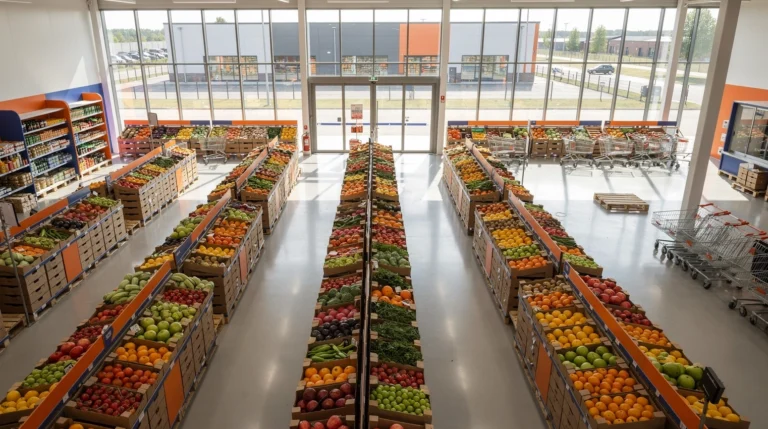
Floor flow, not price, sets the ceiling on basket size. A retail breakdown of decompression zones, the right-turn bias, adjacency, and the metrics that make layout testable.
Footfall is a vanity number until it converts. This guide shows how to build a pop up experience that lifts conversion, basket size, and attributable revenue, with the metrics, layout science, and staffing that separate a profitable activation from an expensive photo wall.
A pop-up that sells out its run feels like a green light, but the decision math for a permanent lease is colder. Here is the model retailers actually use: contribution margin per square foot, payback windows, lease-risk weighting, and the signals that separate a hit from a habit.
Retail deep dive: Costs and revenue benchmarks for a 30-day pop-up.
Retail deep dive: How D2C brands use pop-ups to test new cities.