Quick commerce assortment: choosing the 2,000 SKUs that actually sell
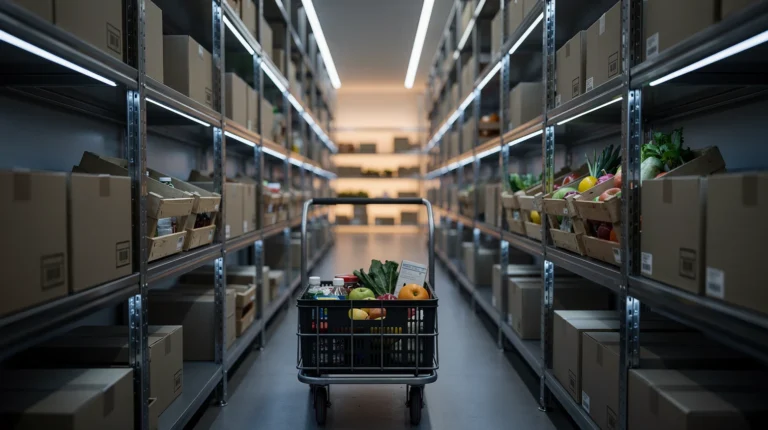
A rapid delivery range is a fraction of a supermarket. Here is how operators choose what makes the cut and what gets dropped each month.

Coverage of brick-and-mortar retail, department stores, supermarkets, and physical commerce trends.
A rapid delivery range is a fraction of a supermarket. Here is how operators choose what makes the cut and what gets dropped each month.

A dark store is a warehouse pretending to be a shop. Layout, slotting and staffing decide whether the delivery promise survives peak hour.
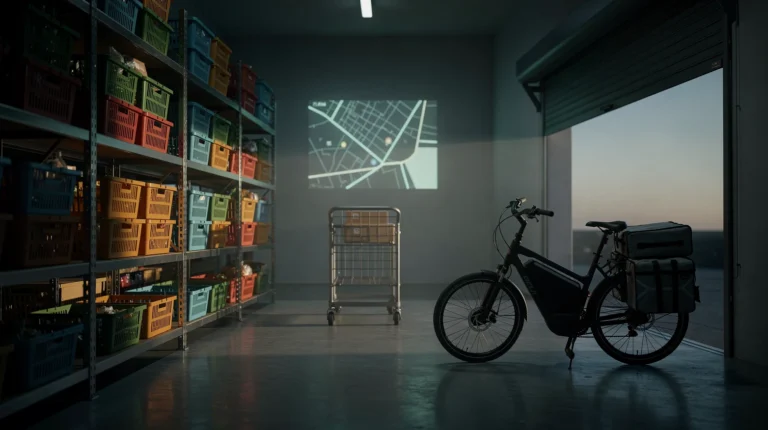
Quick commerce promises groceries in under an hour. This guide breaks down the dark store model, the cost per order and where the math holds up.
Britain’s competition regulator has moved to close a long-standing loophole that let Aldi and Lidl use property deals to keep rival supermarkets out of prime …
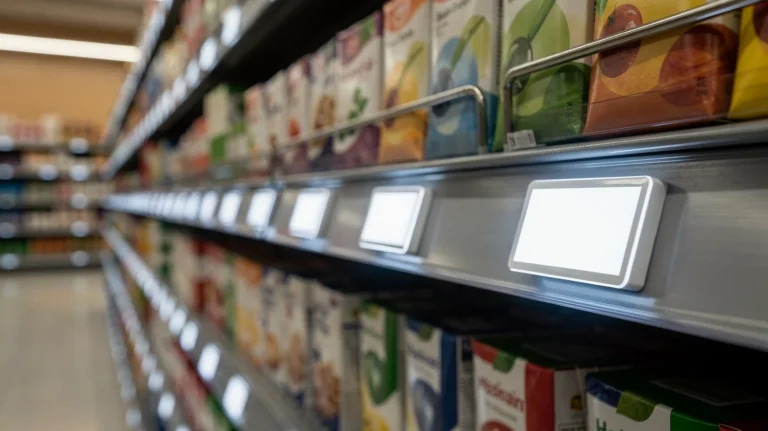
Electronic shelf labels pay back on labour and pricing accuracy, not on dynamic pricing theatre. Here are the numbers.

Shelf space is bought, measured and reviewed. Here is how planograms and slotting fees work from both sides of the table.

Wholesale into a department store looks like volume until the deductions arrive. These are the terms brands should model first.
Closure lists look arbitrary from outside. Inside, they follow a fairly consistent set of numbers.

Concessions put a brand inside a department store without a wholesale order. Here is how the commercial terms actually work.
A plain reading of short-term retail licences and pop-up leases, including the clauses brands sign without noticing what they cost.